Surgery & Anesthesia
c. 1000
Al-Zahrawi's illustrated surgery
The last of the 30 books of al-Zahrawi's medical encyclopedia, written near Cordoba around 1000, covered cautery, incision and bone-setting with drawings of instruments. Translated into Latin in Toledo by Gerard of Cremona, it was read in Europe for centuries.
Key people
- Abu al-Qasim al-Zahrawi
- Physician and surgeon near Cordoba, 936 to 1013; wrote the Tasrif
- Gerard of Cremona
- Translated the surgical book into Latin in Toledo
- Guy de Chauliac
- French surgeon who quoted al-Zahrawi more than 200 times
Source
To drain the abdomen in dropsy, al-Zahrawi replaced the straight cannula of earlier writers with one cut at a bevel. For a stone stuck in the urethra he passed a fine drill up the urinary passage, and to open an abscess without alarming a nervous patient he designed a knife that could be kept hidden. These instruments appear in the last book of his medical encyclopedia, the Tasrif, which he wrote around the year 1000.
Abu al-Qasim Khalaf ibn al-Abbas al-Zahrawi, known in Latin as Albucasis, was born in 936 in al-Zahra, a suburb six miles northwest of Cordoba, the capital of Muslim Spain. He rarely travelled, spent most of his life practising in his home town and died in 1013. The Tasrif ran to 30 books. The first set out general principles; the second, far larger than any other, covered the symptoms and treatment of 325 diseases from head to foot; most of the rest dealt with drugs and diet. The title means, roughly, an arrangement of medical knowledge for one who cannot compile a book for himself.
The surgical book had three parts: cautery, incisions and bloodletting, and bone-setting. Al-Zahrawi combined Greek and Roman teaching with his own observations, modified older instruments and designed new ones, and drew them in detail, although scribes often misunderstood the drawings when they copied the text. He described a vaginal speculum and forceps, though the forceps were not meant for live births. A 2007 account by Samir Amr and Abdelghani Tbakhi credits him with more than 200 surgical tools. Surgery then had neither antisepsis nor anaesthesia, and most operations followed accidents or battle wounds.
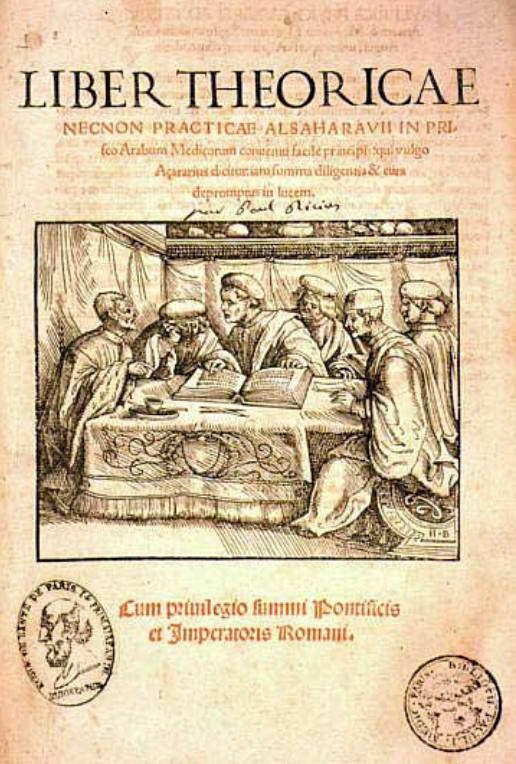
The surgical book often circulated on its own. About two centuries after it was written, Gerard of Cremona translated it into Latin in Toledo, and the Tasrif became part of medical teaching in Europe for centuries. The French surgeon Guy de Chauliac, who died in 1368, quoted al-Zahrawi more than 200 times. Printed editions of the surgery appeared at Venice in 1497, at Basel in 1541 and at Oxford in 1778, the last in Arabic and Latin.
Keep exploring
 Read next · same person
Ibn Sina's Canon of Medicine (c. 1024)
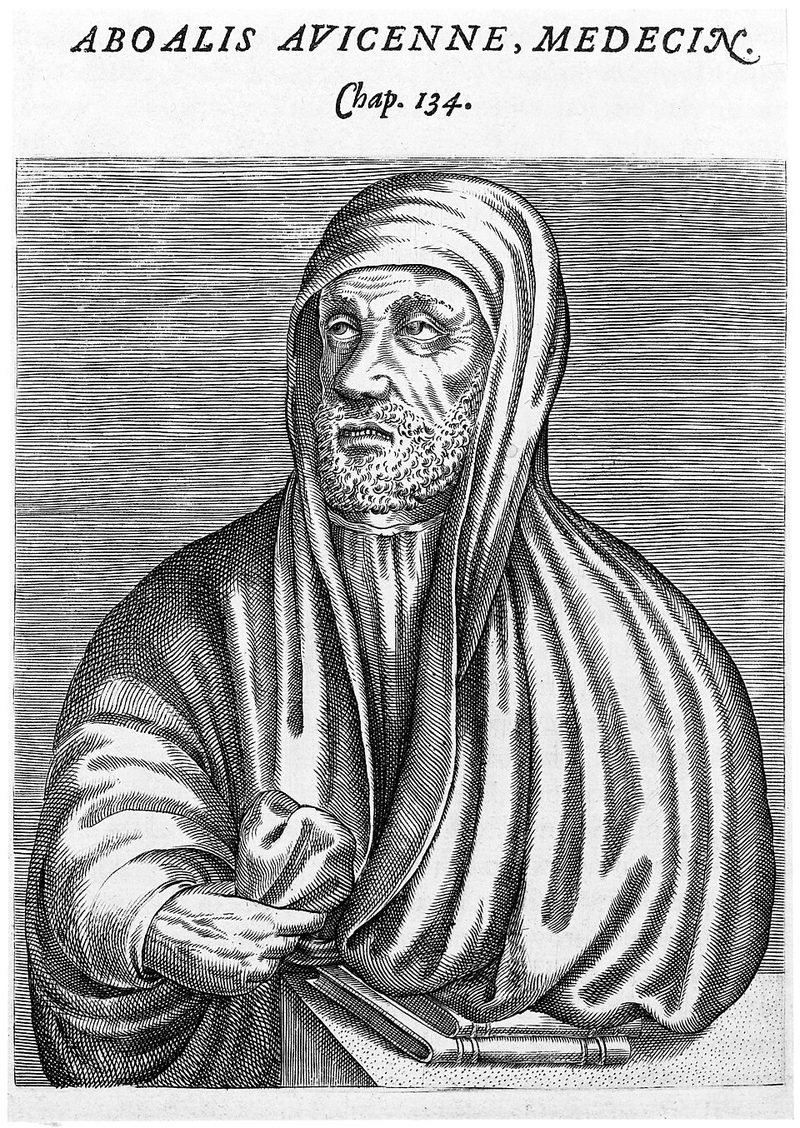
Gerard of Cremona translated both al-Zahrawi's surgery and Ibn Sina's Canon into Latin. The Canon shows the other great Arabic textbook he carried into Europe, still taught at Louvain and Montpellier in the 17th century.
Read this moment
Read next · same person
Ibn Sina's Canon of Medicine (c. 1024)
Gerard of Cremona translated both al-Zahrawi's surgery and Ibn Sina's Canon into Latin. The Canon shows the other great Arabic textbook he carried into Europe, still taught at Louvain and Montpellier in the 17th century.
Read this moment
 Today on The Clinical Times
Love to Dream recalls portable baby sound machine over fire and burn risk
Love to Dream has recalled its portable Sleep Machine because its lithium-ion battery can overheat while charging with an incompatible charger, creating a risk of fire and burns.
Read today’s top stories
Today on The Clinical Times
Love to Dream recalls portable baby sound machine over fire and burn risk
Love to Dream has recalled its portable Sleep Machine because its lithium-ion battery can overheat while charging with an incompatible charger, creating a risk of fire and burns.
Read today’s top stories
All 526 moments in the history of medicine. This one is in chapter 2, The medieval world
Connected moments
How this moment links to others in the history of medicine, and what you will find in each.
-
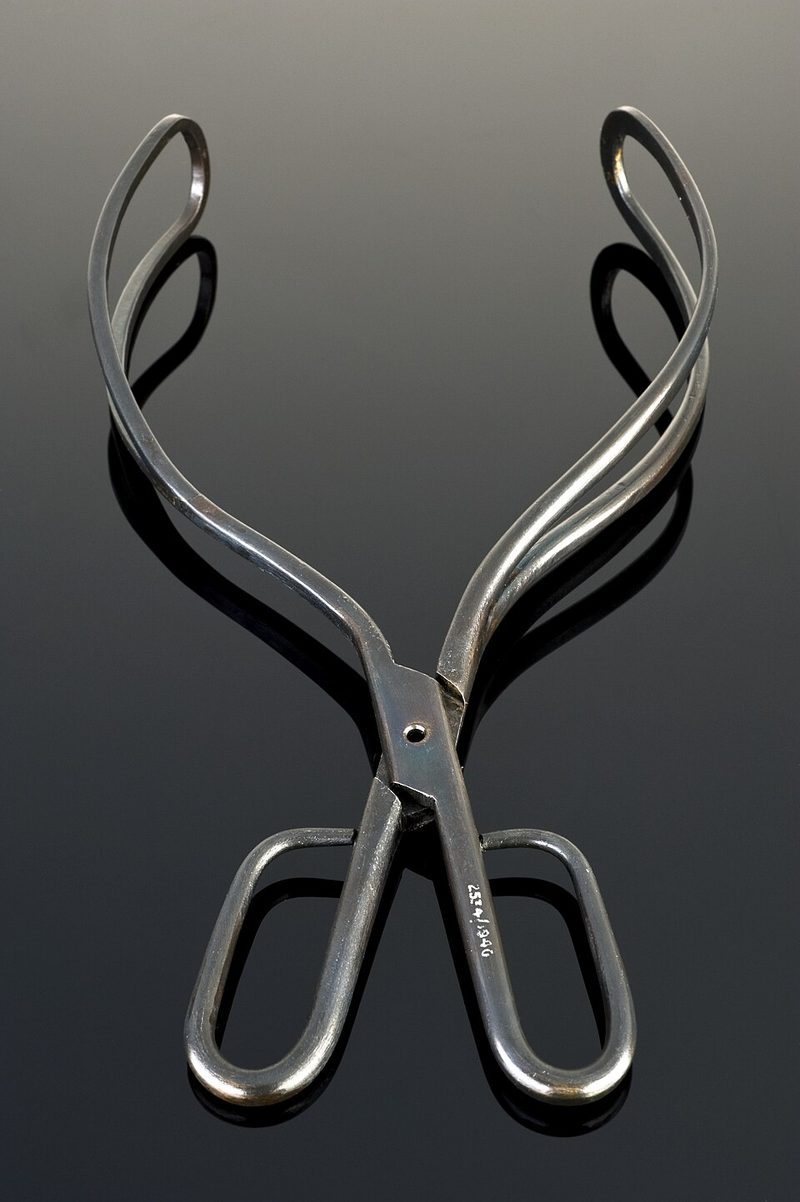 Same disease or problemc. 1600The Chamberlen Obstetric ForcepsAl-Zahrawi described forceps that were not meant for live births, while the Chamberlens' forceps could deliver a baby alive. That story shows a family of man-midwives keeping the design secret for over a century.Read this moment
-
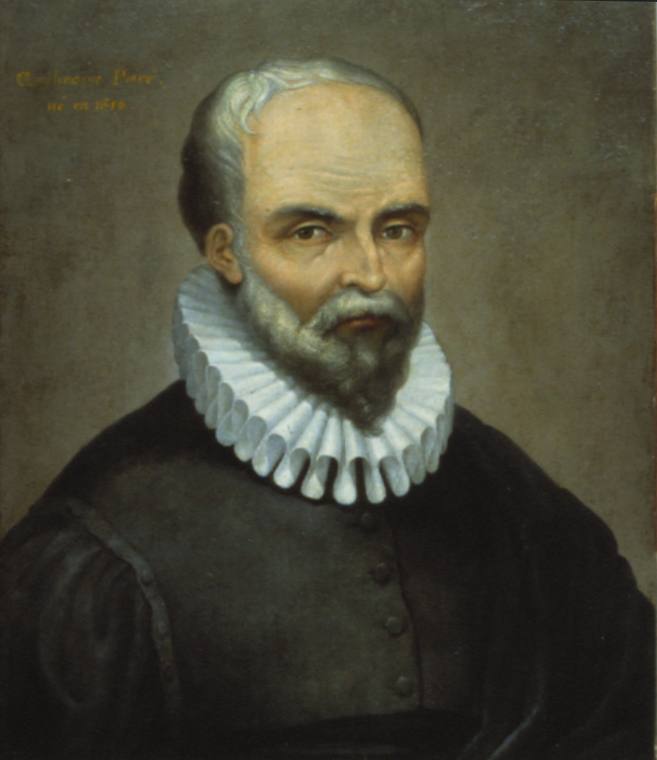 Same disease or problem1545Paré's Treatise on Gunshot WoundsAl-Zahrawi's surgery began with cautery, and most operations then followed accidents or battle wounds. Paré's story shows a mild salve replacing boiling oil in gunshot wounds, and tied vessels replacing hot irons in amputations.Read this moment
-
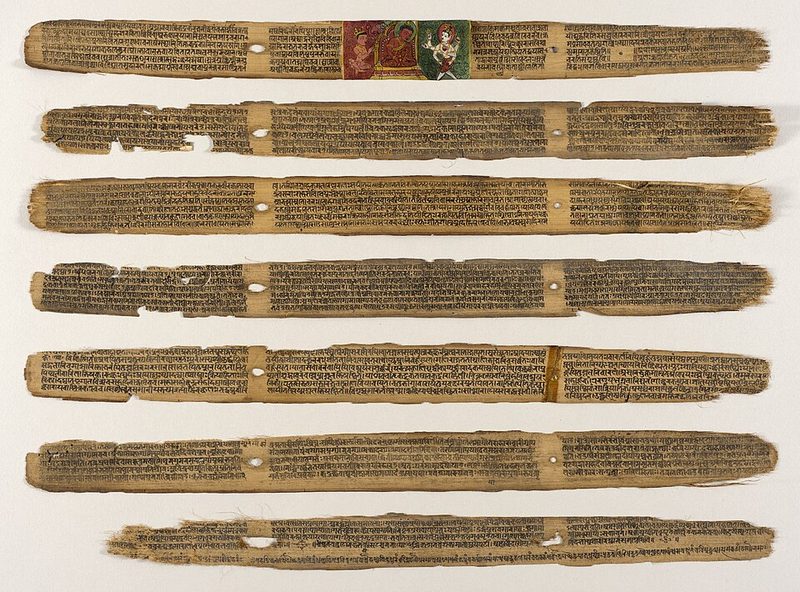 Same disease or problemc. 100 BCEThe Sushruta SamhitaBoth are surgical compendia that sort operations by kind, al-Zahrawi's into cautery, incision and bone-setting. The Sushruta Samhita shows an older Indian tradition, with a nose rebuilt from cheek skin and couching for cataract.Read this moment