Infectious Disease
c. 900 CE
Al-Razi's treatise on smallpox and measles
Al-Razi's book set out the warning signs, treatment and outlook of smallpox and measles. Thabit ibn Qurra had written on the subject earlier, but al-Razi's book was the more influential, and it was twice translated into Latin in the 18th century.
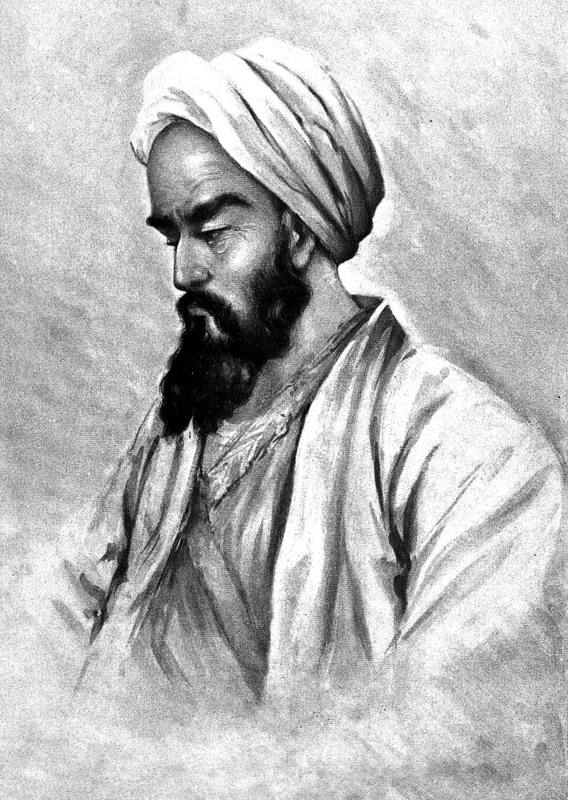
Key people
- Abu Bakr Muhammad ibn Zakariya al-Razi
- Physician, 865 to about 925, who headed hospitals in Rayy and Baghdad
- Thabit ibn Qurra
- Baghdad scholar who wrote an earlier monograph on smallpox
- Richard Mead
- Published the first Latin translation from the Arabic, 1747
Source
One night, at the house of a nobleman, the talk turned to smallpox and al-Razi gave his views. His host asked him to write a complete account, because, al-Razi said in his preface, no accurate and satisfactory one had yet appeared among ancient or modern writers. The result was a book of 14 chapters on smallpox and measles. It was not the first monograph on the subject, however. Thabit ibn Qurra, a 9th century scholar in Baghdad best known for mathematics and astronomy, had already written one.
The book opens by answering physicians who said that Galen never mentioned smallpox, citing passages from several of Galen's works. Then it turns to practice. The eruption of smallpox, al-Razi wrote, is preceded by continued fever, pain in the back, itching of the nose and terrors in sleep, with redness of the cheeks, eyes and gums, a sore throat and heaviness of the whole body. Restlessness, nausea and anxiety were more frequent in measles, and back pain more typical of smallpox. Later chapters cover regimen, care of the throat and eyes, drying the pustules, removing the scars and feeding the patient. Pustules that were white, large, distinct and few, with a mild fever, marked the most curable form.
Al-Razi, known in Europe as Rhazes, was born in the Persian city of Rayy, near present-day Tehran, in 865 and died there around 925. He studied philosophy, alchemy and music before medicine, served at the Samanid court and headed hospitals in Rayy and Baghdad. More than 1,000 of his case histories survive.
Europe first knew the book through a Greek translation, and Giorgio Valla's Latin version of the Greek was printed at Venice in 1498. Interest grew after about 1720, when Lady Mary Wortley Montagu, wife of the ambassador at the Turkish court in Istanbul, described inoculation against smallpox as practised in Turkey. In 1747 Richard Mead published, with his own book on the two diseases, the first Latin translation made directly from the Arabic. Channing printed the Arabic text with a new Latin version in 1766, and William Alexander Greenhill's English translation appeared in London in 1848.
Keep exploring
 Read next · built on
Galen's experimental anatomy and physiology (c. 170 CE)
Al-Razi opened his book by citing Galen to answer physicians who said Galen never mentioned smallpox. Galen's story shows why his authority mattered so much: his writings were treated as authoritative for about fifteen centuries.
Read this moment
Read next · built on
Galen's experimental anatomy and physiology (c. 170 CE)
Al-Razi opened his book by citing Galen to answer physicians who said Galen never mentioned smallpox. Galen's story shows why his authority mattered so much: his writings were treated as authoritative for about fifteen centuries.
Read this moment
 Today on The Clinical Times
Love to Dream recalls portable baby sound machine over fire and burn risk
Love to Dream has recalled its portable Sleep Machine because its lithium-ion battery can overheat while charging with an incompatible charger, creating a risk of fire and burns.
Read today’s top stories
Today on The Clinical Times
Love to Dream recalls portable baby sound machine over fire and burn risk
Love to Dream has recalled its portable Sleep Machine because its lithium-ion battery can overheat while charging with an incompatible charger, creating a risk of fire and burns.
Read today’s top stories
All 526 moments in the history of medicine. This one is in chapter 2, The medieval world
Connected moments
How this moment links to others in the history of medicine, and what you will find in each.
-
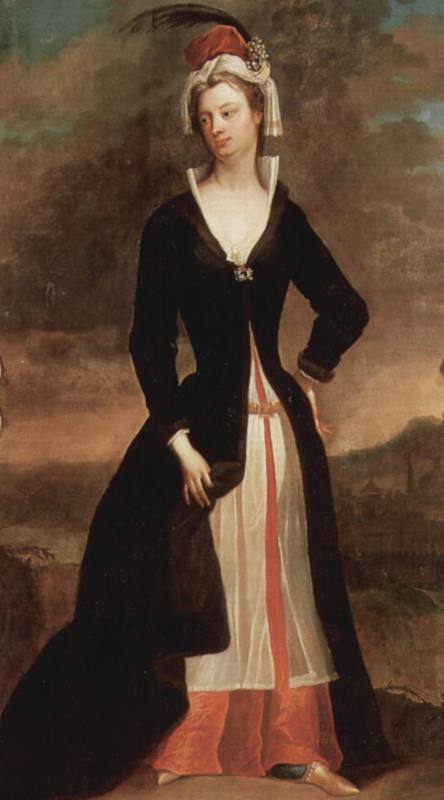 Same disease or problem1721Smallpox Inoculation in London and BostonEurope's interest in al-Razi's smallpox book grew after Lady Mary Wortley Montagu described Turkish inoculation. The inoculation story shows the practice entering England and Boston in 1721, with death counts showing it far safer than natural smallpox.Read this moment
-
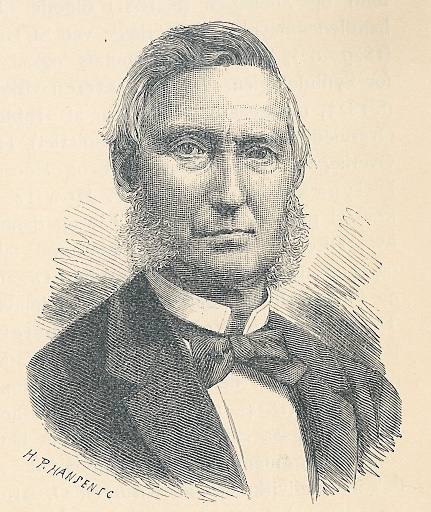 Same disease or problem1846Panum's study of measles in the Faroe IslandsAl-Razi told measles apart from smallpox by its signs, and Panum traced a measles epidemic village by village. His Faroe Islands study found a rash about 14 days after exposure and immunity still present in those who had measles in 1781.Read this moment
-
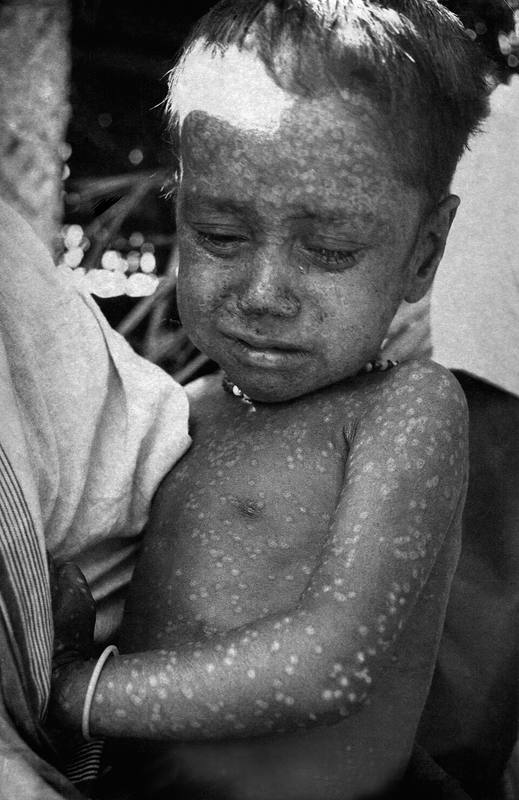 Same disease or problem1980Global Eradication of SmallpoxAl-Razi gave a careful account of the signs and outlook of smallpox around 900. The eradication story shows how surveillance, containment and ring vaccination finally ended the disease, declared eradicated in 1980.Read this moment