Patients & Rights
c. 800 CE
Bimaristans of medieval Islam
From the 9th century, rulers and viziers in Baghdad, Cairo, Damascus and other cities founded hospitals paid for by endowments. Many were open to men and women, rich and poor, Muslims and non-Muslims, and had free dispensaries and wards for the mentally ill.
Key people
- Ahmad ibn Tulun
- Abbasid governor of Egypt; built a hospital in Cairo in 872
- Adud al-Dawlah
- Ruler who founded Baghdad's leading hospital in 982
- Ibn al-Nafis
- Cairo's chief of physicians; left his library to the Mansuri hospital
Source
Bimaristan comes from Persian: bimar, an ill person, and stan, a place. The earliest hospital known to have been founded by an Islamic ruler was built in Baghdad in the 9th century, probably by the vizier of the caliph Harun al-Rashid, and little else is known about it. Some accounts credit the Umayyad caliph al-Walid I, who ruled from 705 to 715, with an earlier hospice in Damascus, possibly for lepers; other versions say he only provided guides for the blind, servants for the crippled and money for lepers. Within little more than a century Baghdad had five more bimaristans.
In 872 Ahmad ibn Tulun, the Abbasid governor of Egypt, built a hospital in what is now Cairo. It is the earliest for which there is clear evidence of care for the insane. Adud al-Dawlah's hospital in Baghdad, founded in 982, opened with 25 doctors, among them oculists, surgeons and bonesetters. Hospitals also rose in Damascus, Mecca, Medina, al-Qayrawan and Iran, where al-Razi headed the one at Rayy.
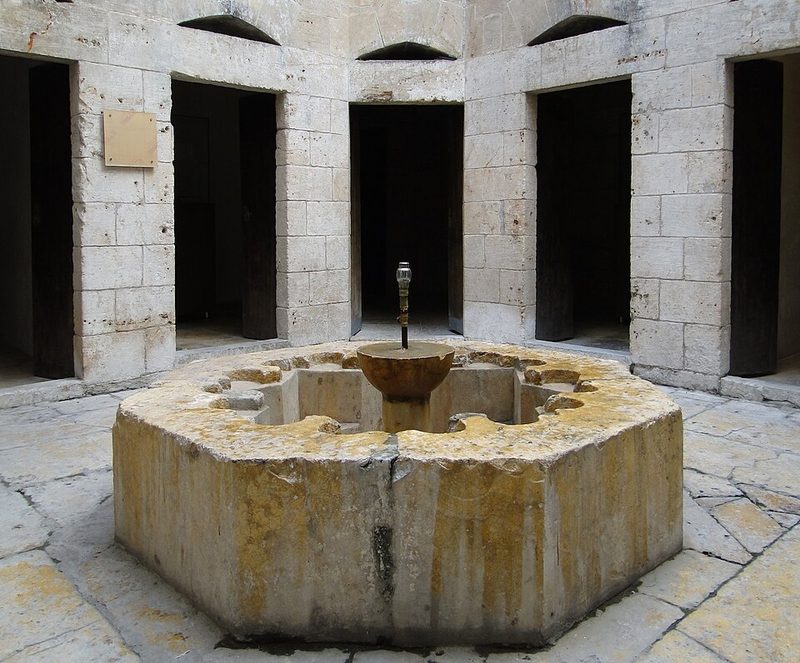
The Syrian and Egyptian hospitals of the 12th and 13th centuries are the best documented. Built around four vaulted halls, they had fountains and baths, a pharmacy, a separate hall for women, and areas for eye disease, dysentery, fevers, surgery and the mentally ill. Many ran outpatient clinics with a free dispensary. Physicians worked to a roster and made rounds, helped by pharmacists, orderlies and male and female attendants. The Mansuri hospital in Cairo, completed in 1284 after eleven months of building, had the largest budget of any public institution in the city. When Ibn al-Nafis, Cairo's chief of physicians, died in 1288, he left it his house and library.
Care was meant to be free, though individual physicians might charge fees. Many hospitals took men and women, rich and poor, Muslims and non-Muslims, and they also sheltered convalescents and old people with no family. The wealthy were usually treated at home. The money came from waqfs, pious endowments of shops, mills, caravanserais or whole villages, and a discharged patient sometimes received a small stipend. When endowments ran short or their lands were confiscated, most hospitals declined. The Nuri hospital in Damascus, founded in the middle of the 12th century, was still a major hospital well into the 15th.
Keep exploring
 Read next · same person
Ibn al-Nafis and the pulmonary circulation (c. 1242)
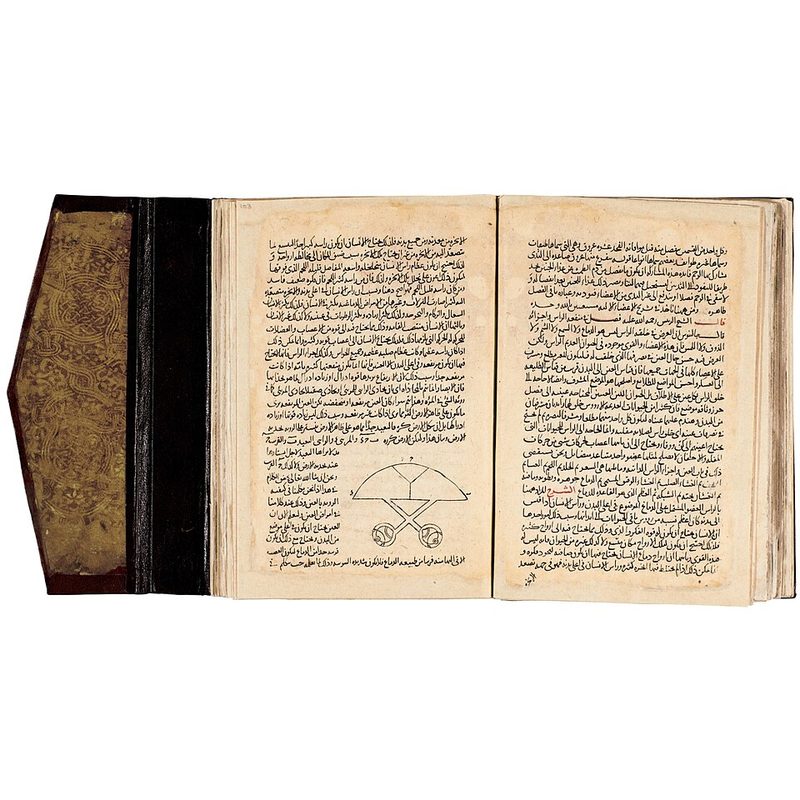
Ibn al-Nafis became chief physician of Cairo's Mansuri hospital and left it his house and library. His story shows him rejecting Galen and describing how blood passes from the heart through the lungs.
Read this moment
Read next · same person
Ibn al-Nafis and the pulmonary circulation (c. 1242)
Ibn al-Nafis became chief physician of Cairo's Mansuri hospital and left it his house and library. His story shows him rejecting Galen and describing how blood passes from the heart through the lungs.
Read this moment
 Today on The Clinical Times
Love to Dream recalls portable baby sound machine over fire and burn risk
Love to Dream has recalled its portable Sleep Machine because its lithium-ion battery can overheat while charging with an incompatible charger, creating a risk of fire and burns.
Read today’s top stories
Today on The Clinical Times
Love to Dream recalls portable baby sound machine over fire and burn risk
Love to Dream has recalled its portable Sleep Machine because its lithium-ion battery can overheat while charging with an incompatible charger, creating a risk of fire and burns.
Read today’s top stories
All 526 moments in the history of medicine. This one is in chapter 2, The medieval world
Connected moments
How this moment links to others in the history of medicine, and what you will find in each.
-
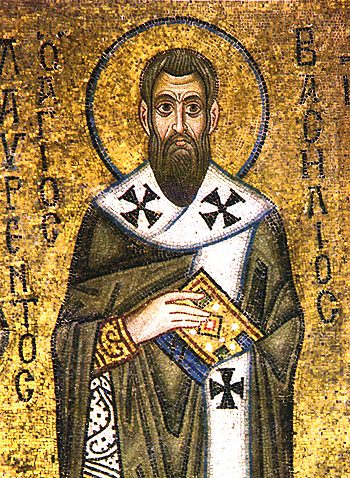 Same disease or problemc. 372 CEBasil's hospital at CaesareaBoth are early hospitals that gave free care to the sick poor, paid for by gifts and endowments. Basil's story shows a fourth century complex that lodged travelers and the sick and took in outcast lepers.Read this moment
-
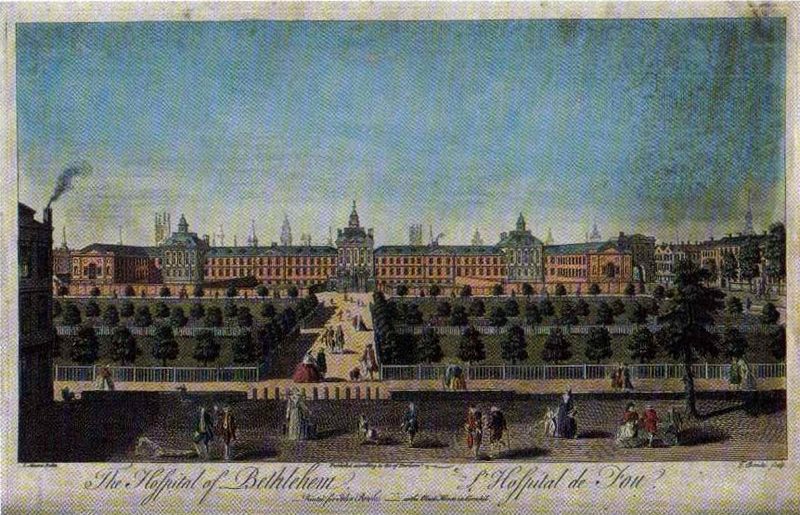 Same disease or problem1403Bethlem Hospital and the care of the insaneCairo's hospital of 872 holds the earliest clear evidence of care for the insane, and London's Bethlem later became a house for the mentally ill. Its story shows a medieval priory hospital whose successor still admits psychiatric patients.Read this moment
-
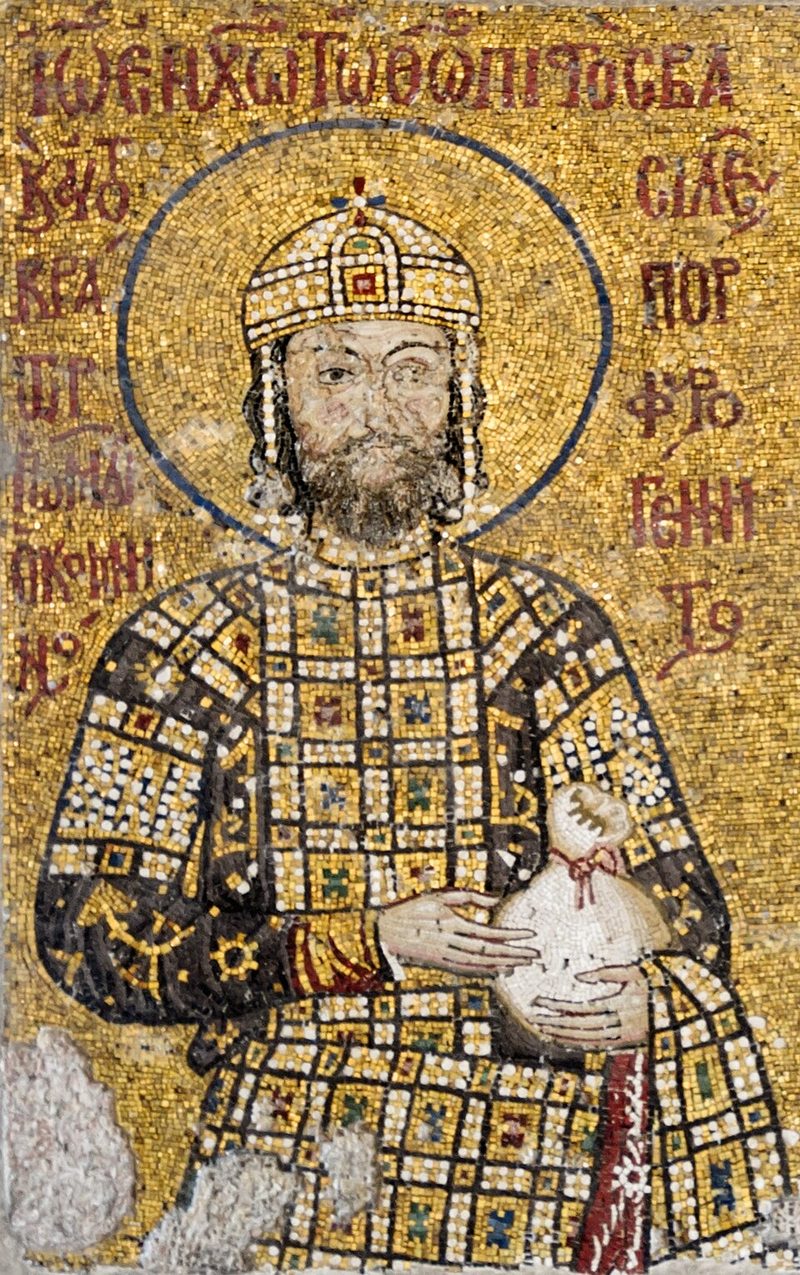 Same disease or problem1136The Pantokrator hospital in ConstantinopleBoth are medieval hospitals with women's wards, pharmacies, outpatient care and staff physicians. The Pantokrator charter of 1136 shows a Byzantine version with 50 beds and a teacher of medicine.Read this moment