Patients & Rights
1136
The Pantokrator hospital in Constantinople
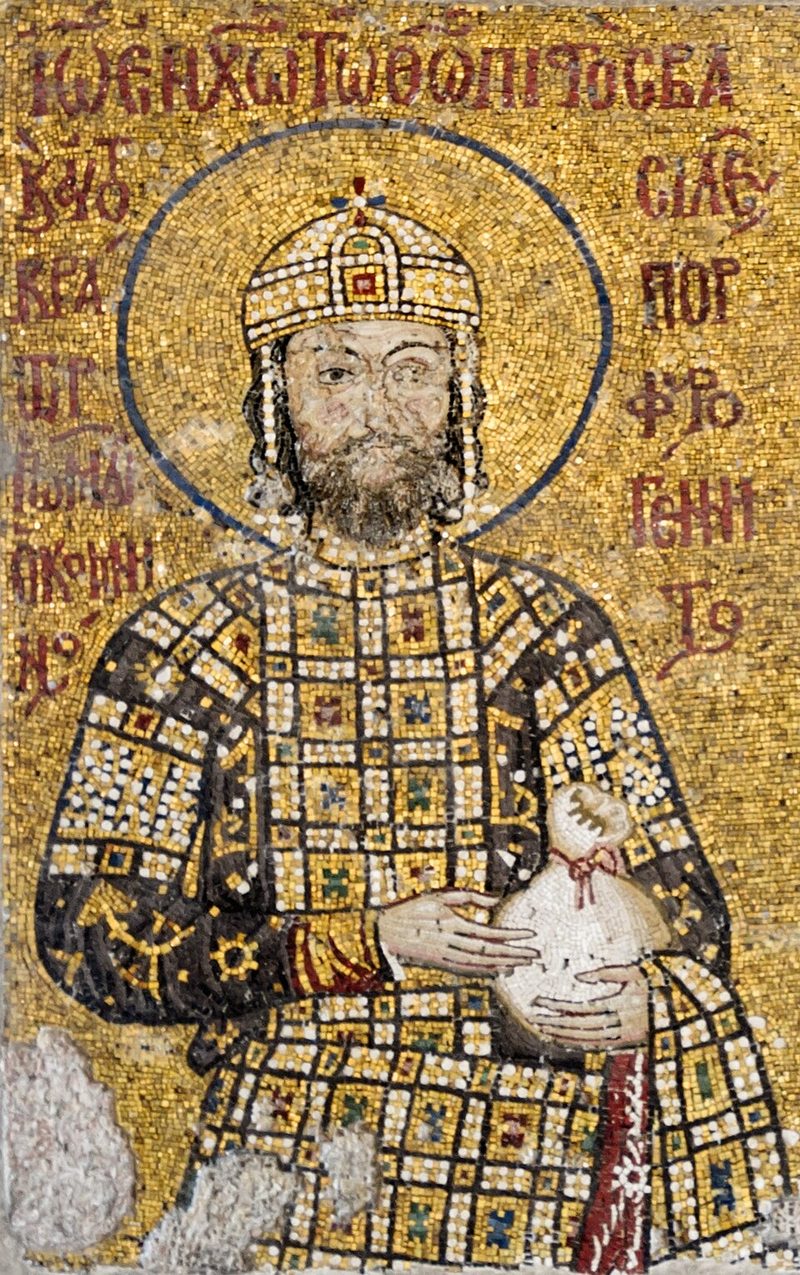
The founding charter of John II Komnenos's Pantokrator monastery, dated October 1136, set out a 50-bed hospital with beds set aside by type of illness, a women's ward with a female doctor, salaried physicians and surgeons, an outpatient service, pharmacists and a teacher of medicine.
Key people
- John II Komnenos
- Byzantine emperor, 1118 to 1143, founder of the Pantokrator monastery
- Robert Jordan
- Translator of the typikon for Dumbarton Oaks
Source
Emperor John II Komnenos built the monastery of Christ Pantokrator on a hill in the north central part of Constantinople. Its triple church survives in Istanbul as the Zeyrek Kilise Camii mosque. His typikon, the founding charter, is dated October 1136, and 20 of its chapters regulate a hospital attached to the monastery. The same foundation ran a home for 24 old and infirm men and a leper house on a separate site.
The hospital was to shelter 50 bedridden patients: ten beds for wounds and fractures, eight for eye disease, stomach complaints and other acute and painful illness, twelve for women, and the rest for the moderately ill. The beds were grouped into five wards, each with a spare bed for emergencies, and six more beds had mattresses pierced through the middle for patients who could not move. Every bed had a mat, a mattress, a pillow and a coverlet, with two goat-hair blankets in winter. Spare shirts and cloaks let patients' own clothes be washed and kept until discharge.
Each ward had two doctors, three certified assistants, two auxiliary assistants and two orderlies. The women's ward added a female doctor with female assistants and orderlies. Four more doctors, two physicians and two surgeons, treated patients who came in from outside. The doctors worked in two groups serving alternate months. They were barred from other work and from leaving the city to treat members of the ruling class, even the emperor's relatives. The staff list also named a chief pharmacist, three druggists, five washerwomen, two cooks, two bakers, four undertakers and a drain cleaner. Patients bathed twice a week if the doctors prescribed it, and a salaried teacher was to instruct the hospital's student doctors in medicine or lose his food allowance.
The typikon lays down what was meant to happen, not what did. It survives only in two eighteenth-century copies, one in Paris and one made in 1749 now in the Patriarchal Library in Istanbul. Timothy Miller took an optimistic view of how the hospital actually worked. Petros Bouras-Vallianatos, drawing on work by Peregrine Horden and Ewald Kislinger, wrote in 2021 that the evidence suggests it did not survive beyond 1150, perhaps because so large a staff was hard to sustain. Late in the fifteenth century the church was converted into a mosque.
Keep exploring
 Read next · same disease or problem
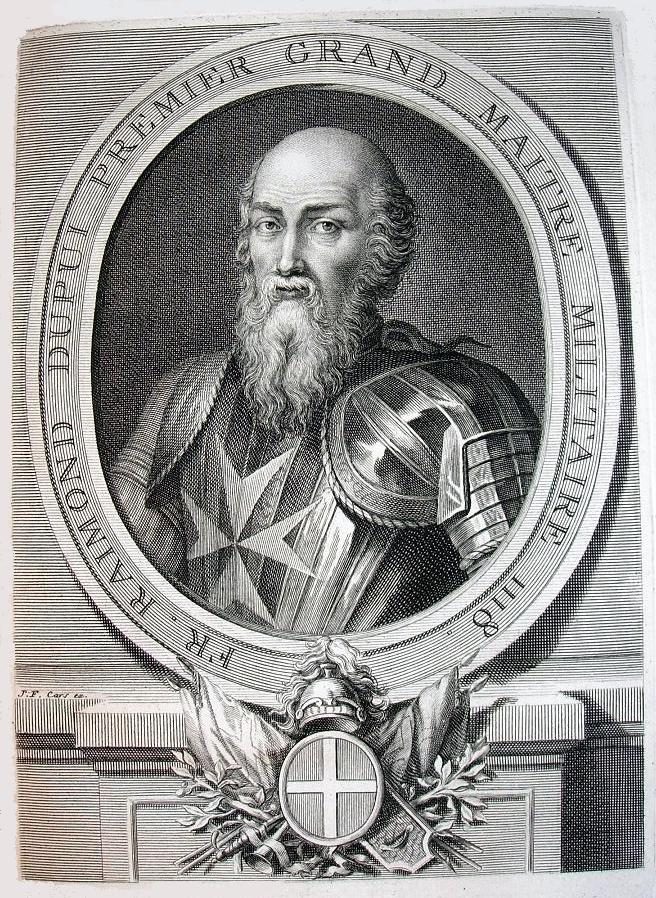
The Hospital of St John in Jerusalem (c. 1099)
Both are 12th century hospitals whose rules promised patients their own beds and bedding and named the doctors who would treat them. The Jerusalem story shows a crusader hospital said to hold 2,000 patients, with cradles for pilgrims' newborns.
Read this moment
Read next · same disease or problem
The Hospital of St John in Jerusalem (c. 1099)
Both are 12th century hospitals whose rules promised patients their own beds and bedding and named the doctors who would treat them. The Jerusalem story shows a crusader hospital said to hold 2,000 patients, with cradles for pilgrims' newborns.
Read this moment
 Today on The Clinical Times
Love to Dream recalls portable baby sound machine over fire and burn risk
Love to Dream has recalled its portable Sleep Machine because its lithium-ion battery can overheat while charging with an incompatible charger, creating a risk of fire and burns.
Read today’s top stories
Today on The Clinical Times
Love to Dream recalls portable baby sound machine over fire and burn risk
Love to Dream has recalled its portable Sleep Machine because its lithium-ion battery can overheat while charging with an incompatible charger, creating a risk of fire and burns.
Read today’s top stories
All 526 moments in the history of medicine. This one is in chapter 2, The medieval world
Connected moments
How this moment links to others in the history of medicine, and what you will find in each.
-
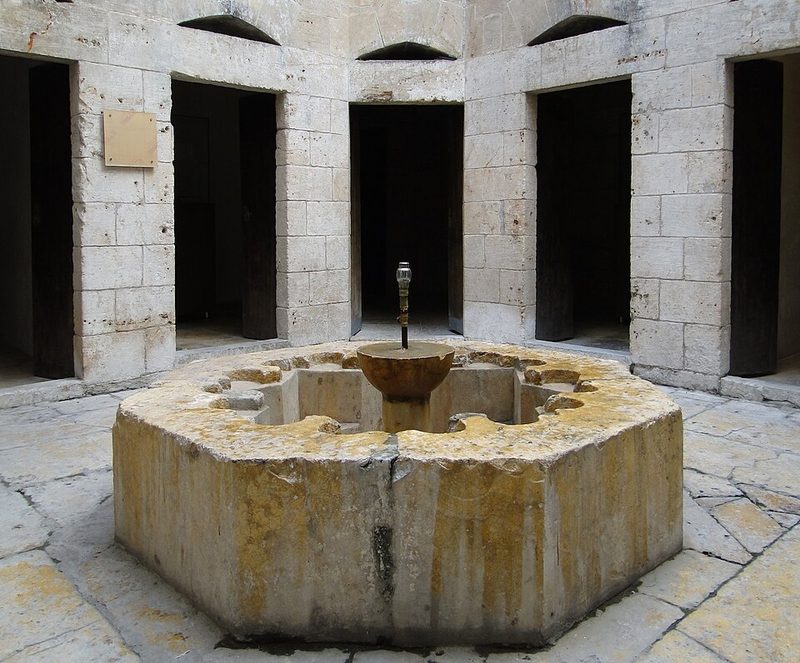 Same disease or problemc. 800 CEBimaristans of medieval IslamBoth are medieval hospitals with women's wards, pharmacies, outpatient care and staff physicians. The bimaristans show the Islamic version, founded by rulers and funded by endowments, with wards for the mentally ill.Read this moment
-
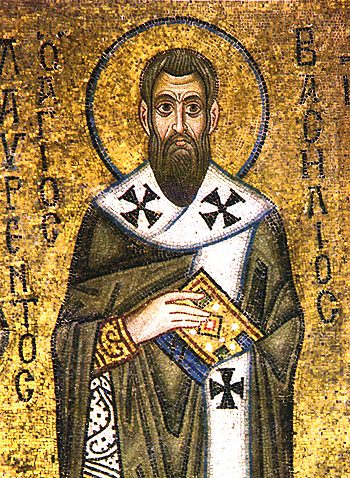 Same disease or problemc. 372 CEBasil's hospital at CaesareaBoth are Byzantine foundations with physicians for the sick, and both also cared for lepers. Basil's complex, eight centuries earlier, is named by some historians as the first hospital.Read this moment
-
 Same disease or problem1889Johns Hopkins Hospital and the residency systemThe Pantokrator paid a teacher to instruct its student doctors, and Johns Hopkins built a whole system of training doctors inside a hospital. Its story shows resident doctors living in the hospital, the model for residency training in North America.Read this moment