Research Methods & Ethics
1889
Johns Hopkins Hospital and the residency system
The Johns Hopkins Hospital opened in Baltimore on 7 May 1889, and its medical school followed in 1893. Its system of resident doctors who lived in the hospital and trained for years became the model for residency training in North America.
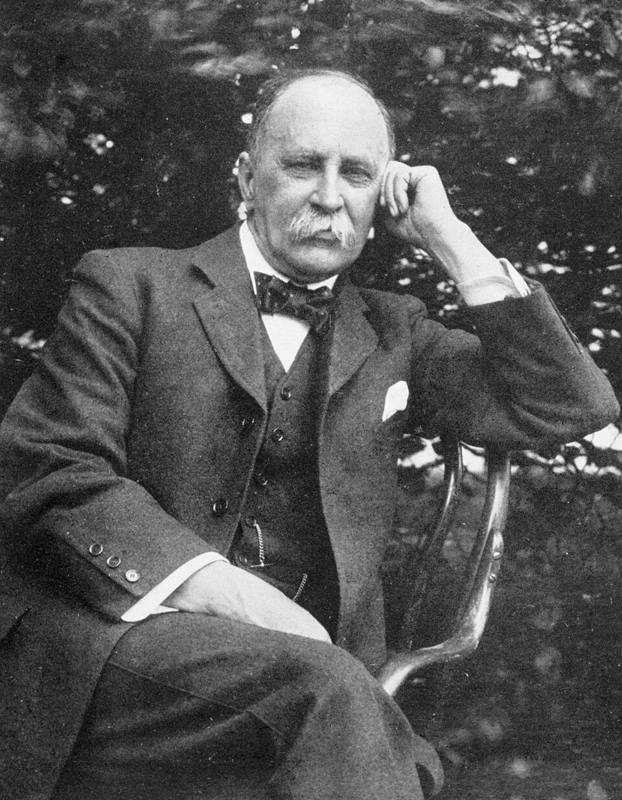
Key people
- William Osler
- Physician in chief who introduced the clinical clerkship and bedside rounds
- William Stewart Halsted
- First chief of surgery, who designed a multi-tier surgical residency
- John Shaw Billings
- Medical adviser who planned the hospital's pavilion design
- Mary Elizabeth Garrett
- Raised funds to open the medical school on condition women were admitted
Source
The Baltimore merchant Johns Hopkins died in 1873 and left $7 million to found a university and a hospital, with a medical school to join them. He planned a hospital that would care for anyone regardless of sex, age or race, and he wrote to its first trustees that it should in time form part of the university's medical school. The university opened in 1876. The hospital, built to a plan by John Shaw Billings with widely separated pavilions linked by long corridors, opened on 7 May 1889, almost 11 years after ground was broken.
The endowment was tied to poorly performing investments, so the medical school could not open with the hospital. William Osler became physician in chief, William Halsted head of surgery and Howard Kelly head of gynecology, alongside the pathologist William Welch, and for four years they trained young doctors in the hospital before any medical students arrived. These residents lived in the hospital's administration building, and their training had no fixed end; some of Osler's stayed seven or eight years. Halsted built a surgical program with several tiers that, with some changes, became the model for surgical and medical residency training in North America.
The School of Medicine opened in 1893. Entrants needed an undergraduate degree and a working knowledge of French and German. It admitted women on the same basis as men, a condition set by a committee of wealthy women, Mary Elizabeth Garrett foremost among them, who had raised the money needed to open it.
Osler's clinical clerkship put students on the wards. From the third year they took histories in the outpatient dispensary under the residents. In the fourth year each clerk was assigned five or six patients in each department, examined them, kept daily records, tested blood and urine, and followed them to discharge. Osler led ward rounds with students three days a week.
While the school's opening was delayed, Osler wrote The Principles and Practice of Medicine, published in 1892, which ran to sixteen editions. He stayed at Hopkins until 1905, when he left for Oxford.
Keep exploring
 Read next · same person
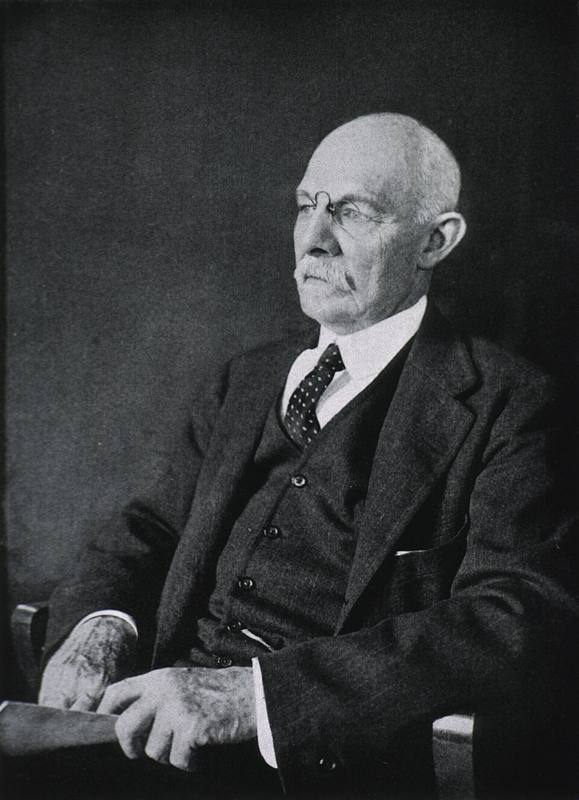
Halsted's radical mastectomy (1894)
William Halsted, who built the Hopkins surgical residency, reported his radical mastectomy there in 1894. That story shows the operation that stayed standard for decades until trials found smaller ones worked as well.
Read this moment
Read next · same person
Halsted's radical mastectomy (1894)
William Halsted, who built the Hopkins surgical residency, reported his radical mastectomy there in 1894. That story shows the operation that stayed standard for decades until trials found smaller ones worked as well.
Read this moment
 Today on The Clinical Times
Love to Dream recalls portable baby sound machine over fire and burn risk
Love to Dream has recalled its portable Sleep Machine because its lithium-ion battery can overheat while charging with an incompatible charger, creating a risk of fire and burns.
Read today’s top stories
Today on The Clinical Times
Love to Dream recalls portable baby sound machine over fire and burn risk
Love to Dream has recalled its portable Sleep Machine because its lithium-ion battery can overheat while charging with an incompatible charger, creating a risk of fire and burns.
Read today’s top stories
All 526 moments in the history of medicine. This one is in chapter 4, Germs, numbers and clean water
Connected moments
How this moment links to others in the history of medicine, and what you will find in each.
-
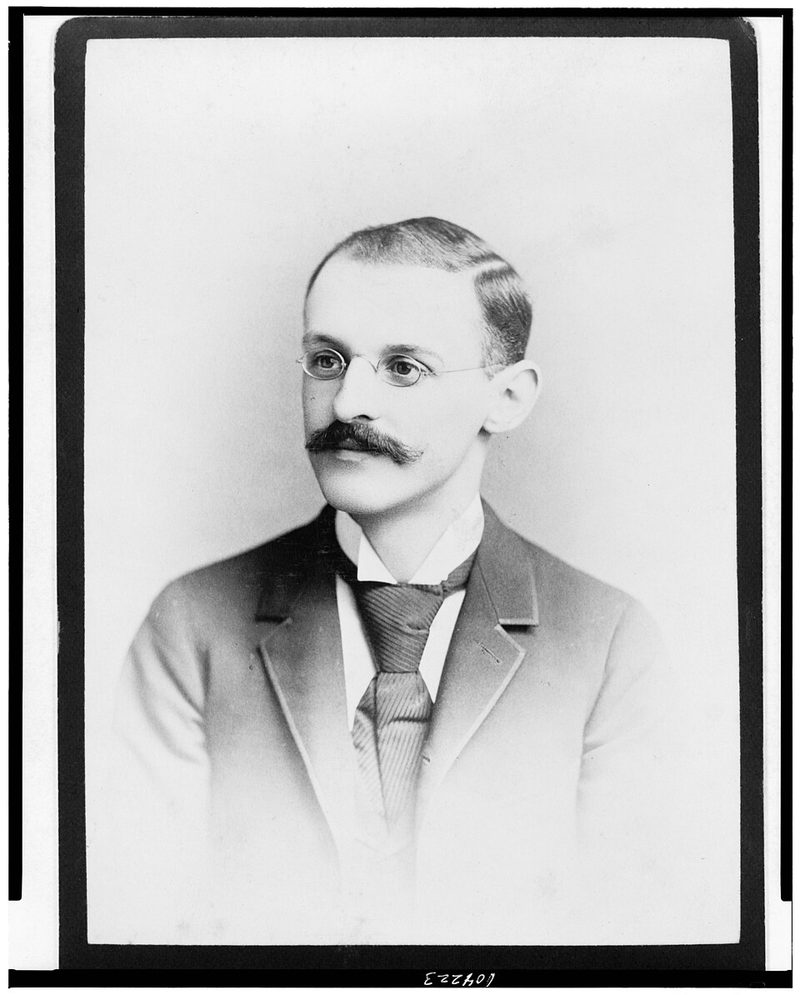 Led to1910The Flexner ReportFlexner measured every North American medical school against the scientific medicine of Johns Hopkins. His report shows one third of American medical schools closing in its aftermath.Read this moment
-
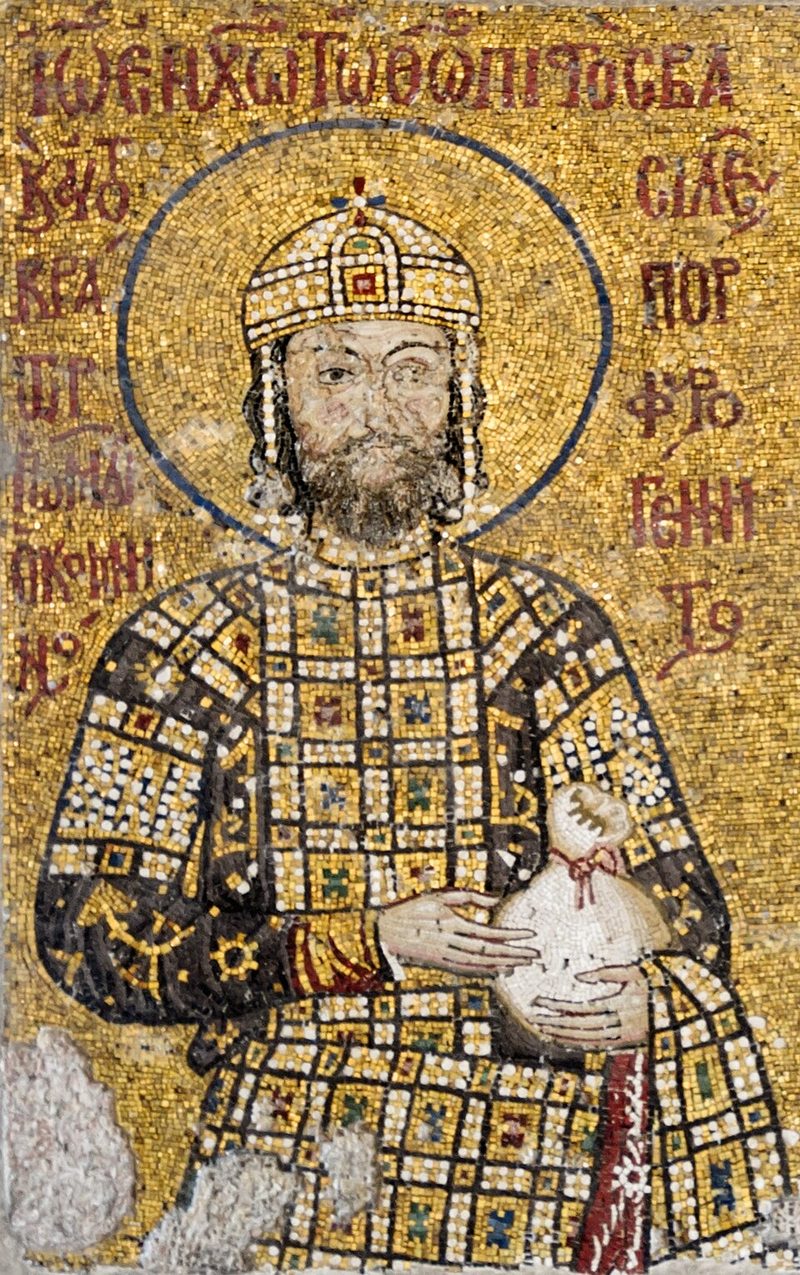 Same disease or problem1136The Pantokrator hospital in ConstantinopleHopkins trained young doctors inside the hospital, and the Pantokrator had a salaried teacher for its student doctors eight centuries earlier. The Pantokrator charter shows a 50 bed Byzantine hospital with wards by illness.Read this moment
-
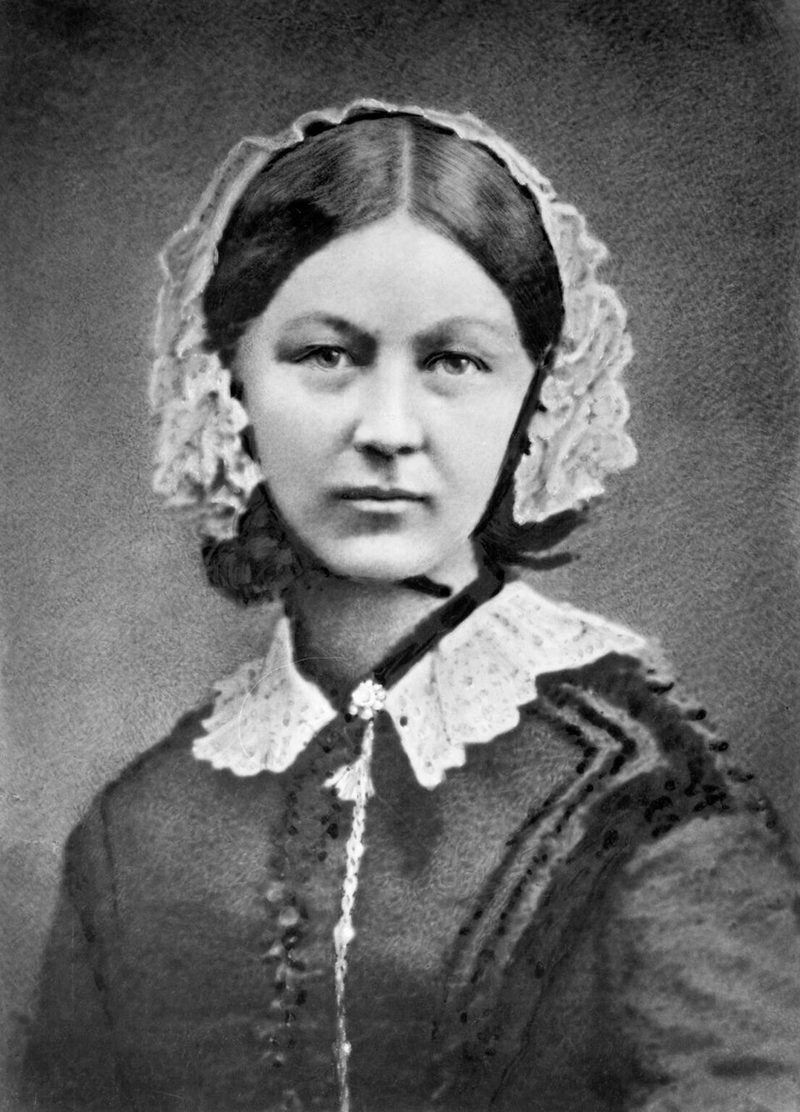 Same disease or problem1860Nightingale Training School for NursesHopkins trained doctors inside a hospital, and Nightingale's school did the same for nurses at St Thomas'. Its story shows graduates carrying the model to training schools elsewhere.Read this moment