Research Methods & Ethics
1910
The Flexner Report
Abraham Flexner's 1910 survey of North American medical schools for the Carnegie Foundation rated most of them defective and made the laboratory-based university school the standard. One third of American medical schools closed in its aftermath.
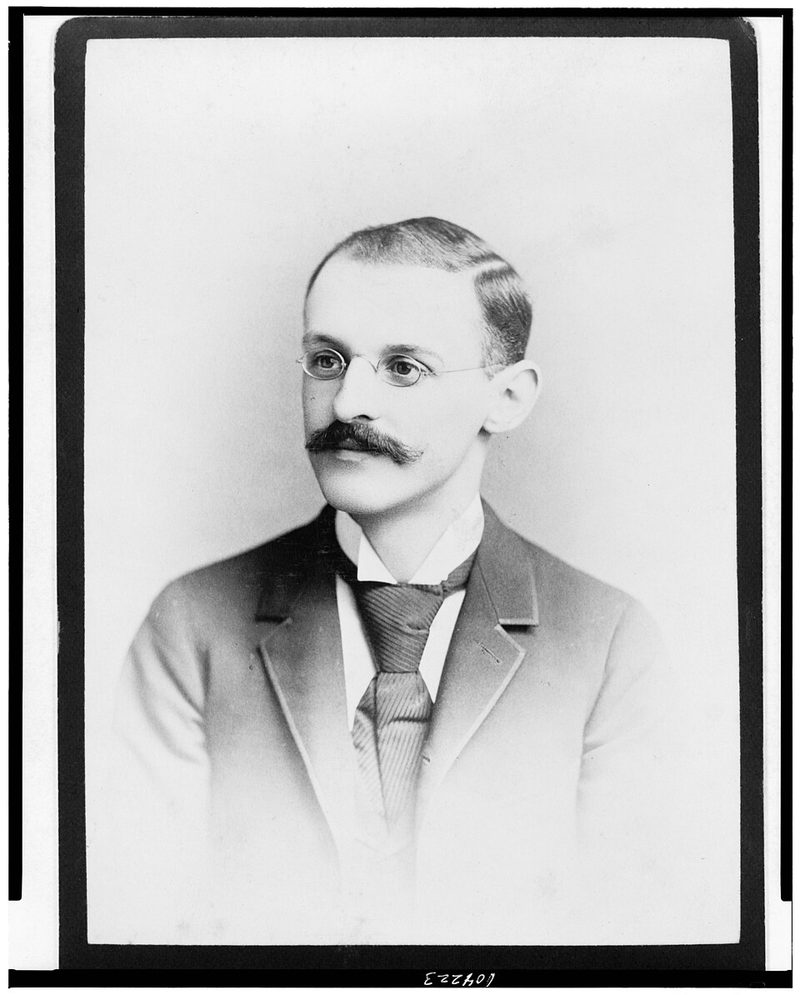
Key people
- Abraham Flexner
- Educator who surveyed the medical schools and wrote the report
- Henry S. Pritchett
- Head of the Carnegie Foundation; wrote the report's introduction
Source
Abraham Flexner was not a physician. He was a teacher from Louisville, Kentucky, the sixth of seven children in a Jewish family, who went to Johns Hopkins University on money from his older brother Simon, later head of the Rockefeller Institute, and majored in Greek and Latin. He opened a private high school in Louisville, later studied philosophy at Harvard, visited schools in Britain, France and above all Germany, and set out his criticisms of American education in a book, The American College.
The book reached Henry Pritchett, head of the Carnegie Foundation for the Advancement of Teaching, at a time when the foundation had made the improvement of American health care its main concern. Flexner was sent to look at how doctors were trained. On clinical teaching his main question was practical: did the school have real rights in the hospitals its catalogue named, or only courtesies?
The report, published in 1910 as the foundation's Bulletin Number Four, ran to 346 pages. Flexner sorted schools into three groups: sound ones, substandard schools that money could rescue, and schools so poor that closure was the answer. A majority were rated defective, with low admission standards, poor laboratories and little contact with patients.
His yardstick was the scientific medicine associated with Johns Hopkins, where William Welch had put the German model of medical education in place. Thomas Duffy of Yale School of Medicine writes that closure was the fate of one third of American medical schools in the aftermath, and that the proprietary schools run for profit largely disappeared. Large gifts from the Rockefeller and Carnegie foundations paid for reform at the schools that survived and brought in the full-time system, under which clinical professors were freed from most patient-care duties to teach and do research, the model of the German universities.
Keep exploring
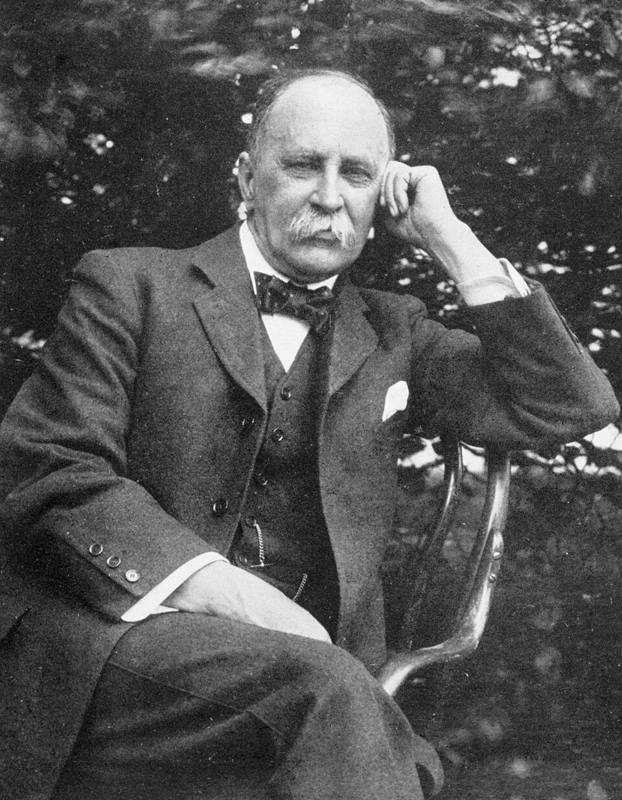 Read next · built on
Johns Hopkins Hospital and the residency system (1889)
Flexner judged every school against the scientific medicine of Johns Hopkins. The Hopkins story shows residents living in the hospital and students working on the wards.
Read this moment
Read next · built on
Johns Hopkins Hospital and the residency system (1889)
Flexner judged every school against the scientific medicine of Johns Hopkins. The Hopkins story shows residents living in the hospital and students working on the wards.
Read this moment
 Today on The Clinical Times
Love to Dream recalls portable baby sound machine over fire and burn risk
Love to Dream has recalled its portable Sleep Machine because its lithium-ion battery can overheat while charging with an incompatible charger, creating a risk of fire and burns.
Read today’s top stories
Today on The Clinical Times
Love to Dream recalls portable baby sound machine over fire and burn risk
Love to Dream has recalled its portable Sleep Machine because its lithium-ion battery can overheat while charging with an incompatible charger, creating a risk of fire and burns.
Read today’s top stories
All 526 moments in the history of medicine. This one is in chapter 5, Cures and codes
Connected moments
How this moment links to others in the history of medicine, and what you will find in each.
-
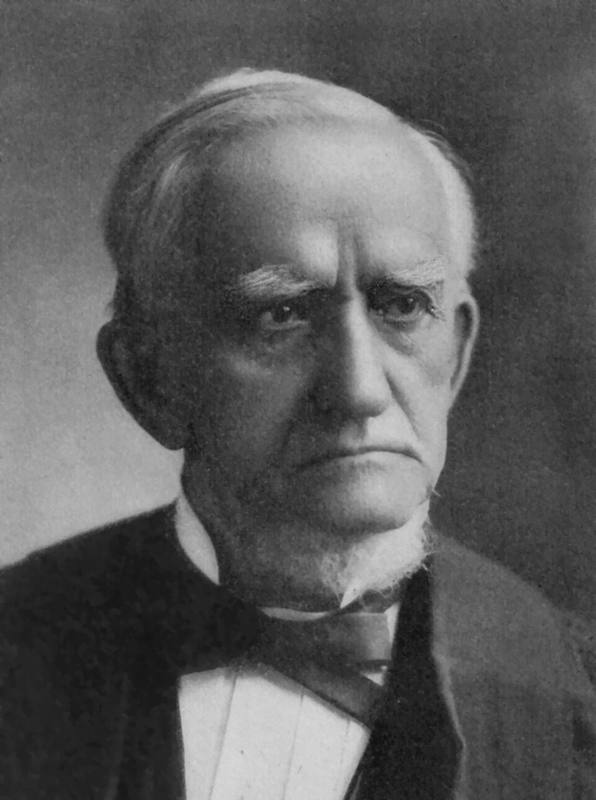 Same disease or problem1847The AMA's first Code of Medical EthicsThe AMA was founded in 1847 partly to raise the standard of medical education, and Flexner's report finally forced it. The AMA story shows the national code of ethics the new association adopted.Read this moment
- Same disease or problem1858The Medical Act of 1858Britain created a council for medical education in 1858, and Flexner's survey set the standard for American medical schools. The Medical Act's story shows a single register created so the public could tell qualified doctors from unqualified.Read this moment