Research Methods & Ethics
1858
The Medical Act of 1858
Britain's Medical Act of August 1858 created the General Council of Medical Education and Registration and a single register of qualified practitioners, so that people needing medical care could tell the qualified from the unqualified.
Before 1858, 19 different bodies regulated medical practitioners in the United Kingdom, each with its own tests of competence; in theory even the Archbishop of Canterbury could license a doctor. Professional titles were mostly local, and estimates from the 1841 census suggest that a third of the doctors in England were unqualified.
An Act to regulate the Qualifications of Practitioners in Medicine and Surgery became law on 2 August 1858 and took effect on 1 October. Its preamble stated the aim: persons needing medical aid should be able to distinguish qualified from unqualified practitioners. It created the General Council of Medical Education and Registration of the United Kingdom, with 17 members chosen by the medical corporations and universities (the University of Edinburgh shared a seat with the two Aberdeen universities, and Glasgow with St Andrews), six nominated by the Crown, four for England, one for Scotland and one for Ireland, and a president chosen by the council. The council also took charge of publishing a pharmacopoeia.
Registration brought privileges. From 1 January 1859 only registered practitioners could recover fees in court, hold medical appointments in the army and navy, hospitals, dispensaries, asylums, prisons, workhouses and similar institutions, or sign certificates required by law, and in acts of Parliament a legally qualified medical practitioner now meant a registered one. Anyone who wilfully and falsely used the title of physician, surgeon or apothecary, or any title implying registration, faced a fine of up to £20 on summary conviction.
Compiling the first register was hard: thousands applied in the last days of 1858, and publication was delayed by six months. In 1860 Richard Organ became the first doctor removed from the register for being unqualified. The council is now called the General Medical Council.
Keep exploring
 Read next · same disease or problem
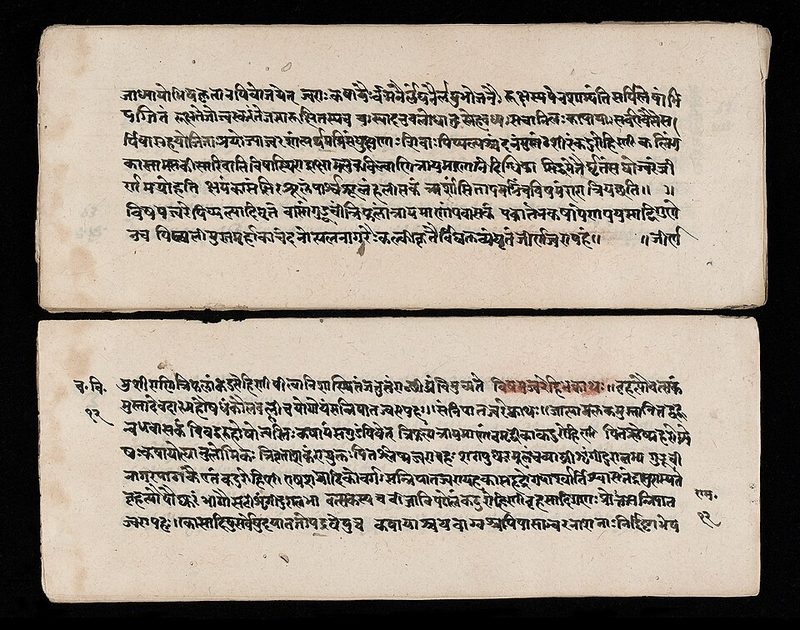
The Charaka Samhita (c. 100 BCE)
Both confront the problem of unqualified healers, the Charaka Samhita by discussing quackery and the 1858 act by creating a register. The Charaka story shows the vows an Ayurvedic student took before the sacred fire.
Read this moment
Read next · same disease or problem
The Charaka Samhita (c. 100 BCE)
Both confront the problem of unqualified healers, the Charaka Samhita by discussing quackery and the 1858 act by creating a register. The Charaka story shows the vows an Ayurvedic student took before the sacred fire.
Read this moment
 Today on The Clinical Times
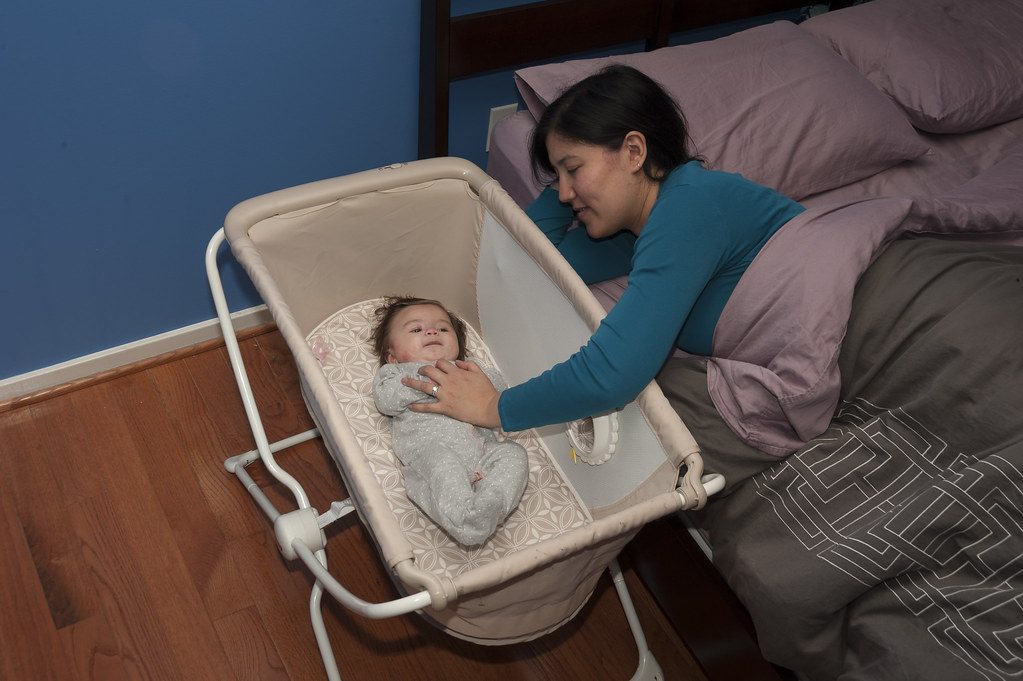
Love to Dream recalls portable baby sound machine over fire and burn risk
Love to Dream has recalled its portable Sleep Machine because its lithium-ion battery can overheat while charging with an incompatible charger, creating a risk of fire and burns.
Read today’s top stories
Today on The Clinical Times
Love to Dream recalls portable baby sound machine over fire and burn risk
Love to Dream has recalled its portable Sleep Machine because its lithium-ion battery can overheat while charging with an incompatible charger, creating a risk of fire and burns.
Read today’s top stories
All 526 moments in the history of medicine. This one is in chapter 4, Germs, numbers and clean water
Connected moments
How this moment links to others in the history of medicine, and what you will find in each.
-
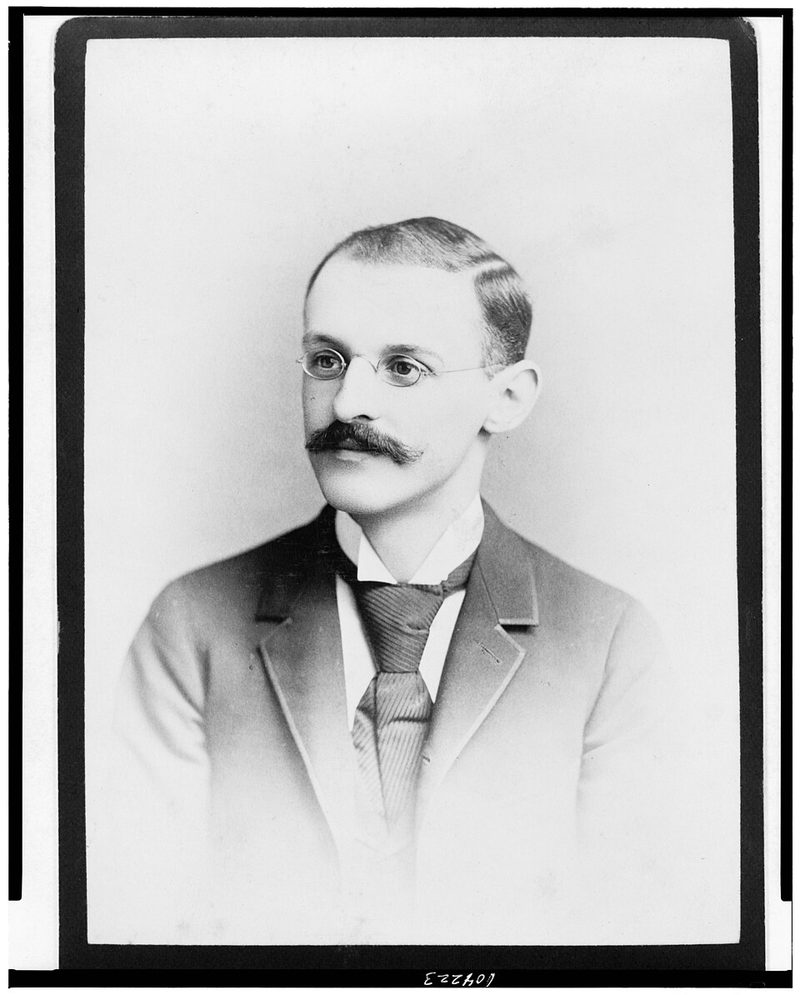 Same disease or problem1910The Flexner ReportBritain set up a council for medical education in 1858, and Flexner's report of 1910 set the standard for American medical schools. His story shows one third of American medical schools closing after his survey.Read this moment
-
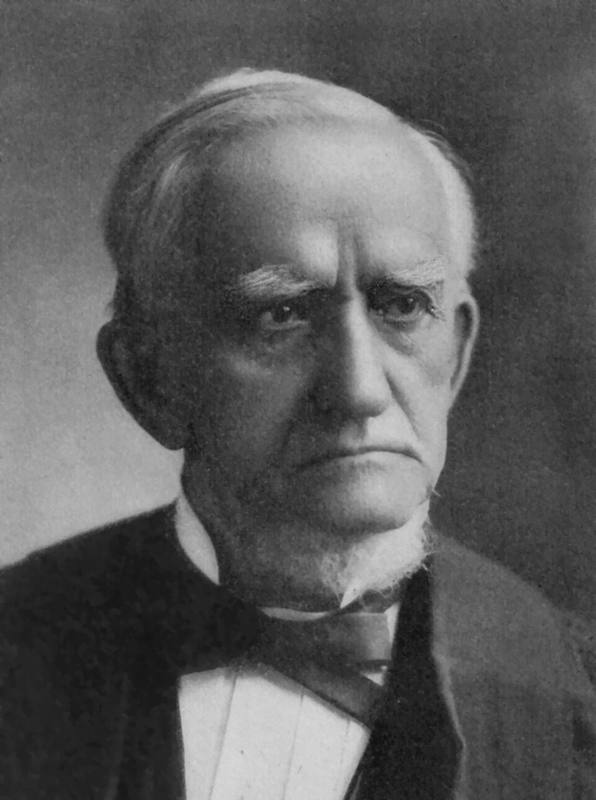 Same disease or problem1847The AMA's first Code of Medical EthicsIn the United States any college diploma served as a license, and the AMA was founded in 1847 partly to raise the standard. Its story shows the national code of ethics the new association adopted.Read this moment