Research Methods & Ethics
1847
The AMA's first Code of Medical Ethics
Delegates meeting in Philadelphia in May 1847 founded the American Medical Association and adopted a national Code of Medical Ethics that kept Thomas Percival's words wherever it could. The convention also called for higher standards of medical education.
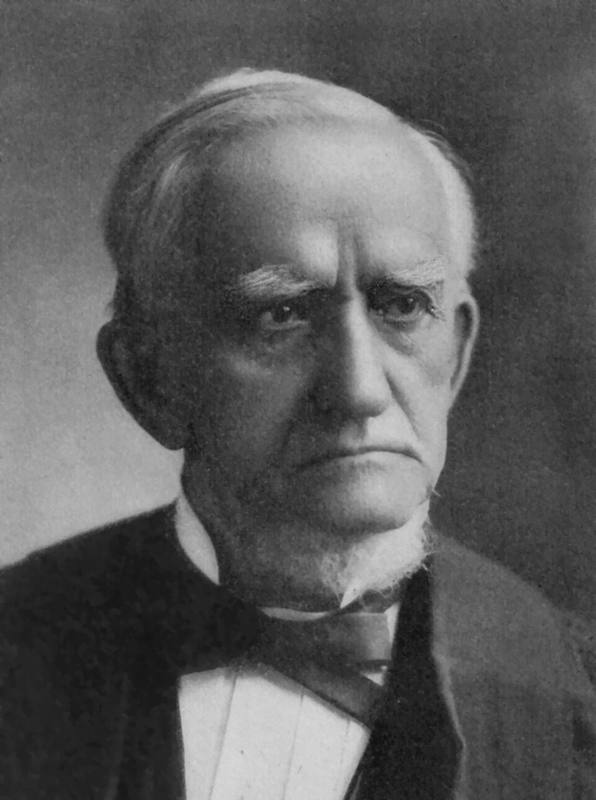
Key people
- Nathan Smith Davis
- Physician whose 1845 resolution led to the founding convention
- John Bell
- Philadelphia physician who reported the 1847 ethics code
- Isaac Hays
- Philadelphia physician who helped draft the code
Source
By the 1840s the United States had more than 30 medical colleges, chartered freely by state legislatures and dependent on student fees, and their diplomas were accepted as licenses to practice. In February 1845 Nathan Smith Davis persuaded the New York State Medical Society to call for a national convention on medical education. About 100 delegates from 16 of the 26 states met at New York University on 5 May 1846 and resolved that the profession should form a national association and be governed by a single code of medical ethics.
On 5 May 1847 about 250 delegates from at least 40 medical societies and 28 medical schools in 22 states met at the Academy of Natural Sciences in Philadelphia. They adopted a constitution for the American Medical Association, which dates its founding to 7 May 1847, and recommendations on preliminary education for students and a uniform standard for the MD degree.
The ethics committee, reporting through John Bell with Isaac Hays, both of Philadelphia, found that local societies' codes were all based on Thomas Percival's Medical Ethics of 1803, and kept Percival's words wherever they served; a few sections came from Benjamin Rush. The code set out duties of physicians to patients and of patients to physicians, of physicians to one another, and between the profession and the public. Physicians were to keep patients' secrets even after their care ended, to treat fellow practitioners and their families without charge, and, when pestilence prevailed, to keep working even at the risk of their own lives. Patients owed prompt obedience to prescriptions. No one whose practice rested on an exclusive dogma was to be accepted as a colleague in consultation.
The association later confronted its record on race. In 2008 the AMA published in JAMA an examination of racism and racist practices in the organization since its founding and made a formal apology for its past discrimination against Black physicians, and in 2021 it removed a bust of Davis from public display, acknowledging his role in blocking integration.
Keep exploring
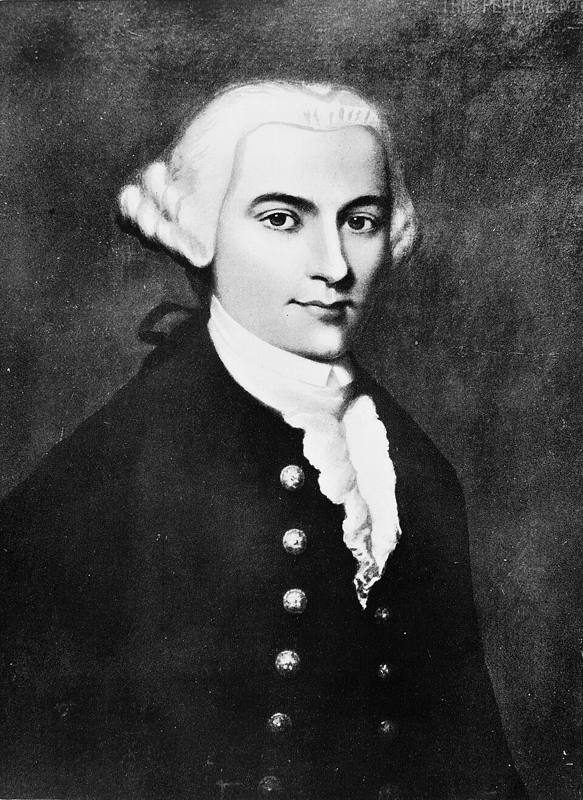 Read next · built on
Percival's Medical Ethics (1803)
The AMA's committee found every local society's code was based on Percival's Medical Ethics and kept his words wherever they served. Percival's story shows the code he wrote after quarrels among the staff of the Manchester Infirmary.
Read this moment
Read next · built on
Percival's Medical Ethics (1803)
The AMA's committee found every local society's code was based on Percival's Medical Ethics and kept his words wherever they served. Percival's story shows the code he wrote after quarrels among the staff of the Manchester Infirmary.
Read this moment
 Today on The Clinical Times
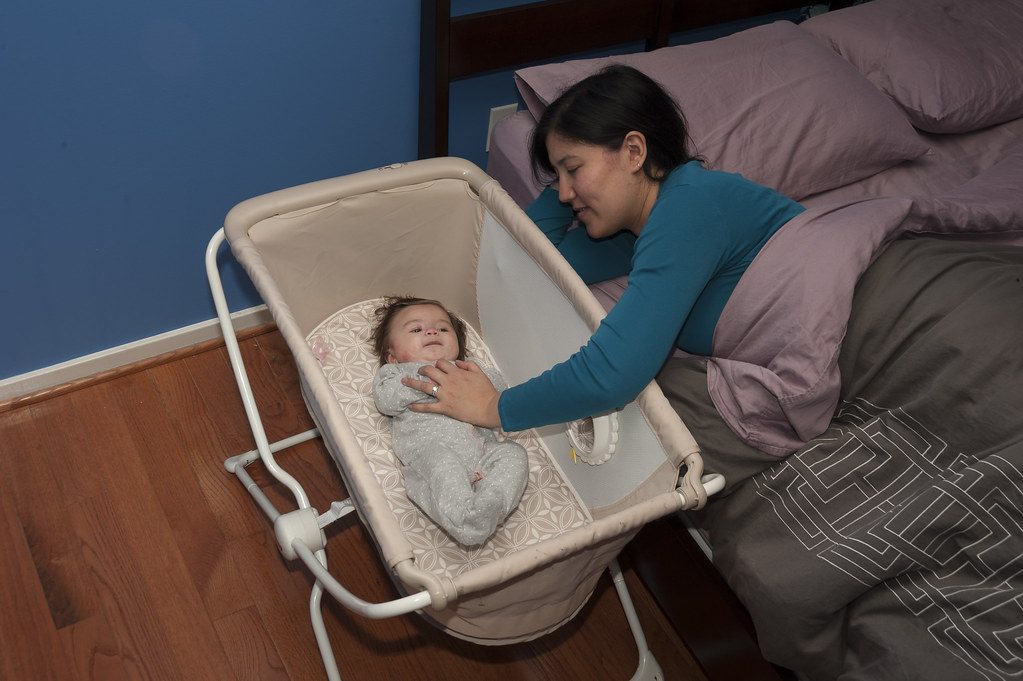
Love to Dream recalls portable baby sound machine over fire and burn risk
Love to Dream has recalled its portable Sleep Machine because its lithium-ion battery can overheat while charging with an incompatible charger, creating a risk of fire and burns.
Read today’s top stories
Today on The Clinical Times
Love to Dream recalls portable baby sound machine over fire and burn risk
Love to Dream has recalled its portable Sleep Machine because its lithium-ion battery can overheat while charging with an incompatible charger, creating a risk of fire and burns.
Read today’s top stories
All 526 moments in the history of medicine. This one is in chapter 4, Germs, numbers and clean water
Connected moments
How this moment links to others in the history of medicine, and what you will find in each.
-
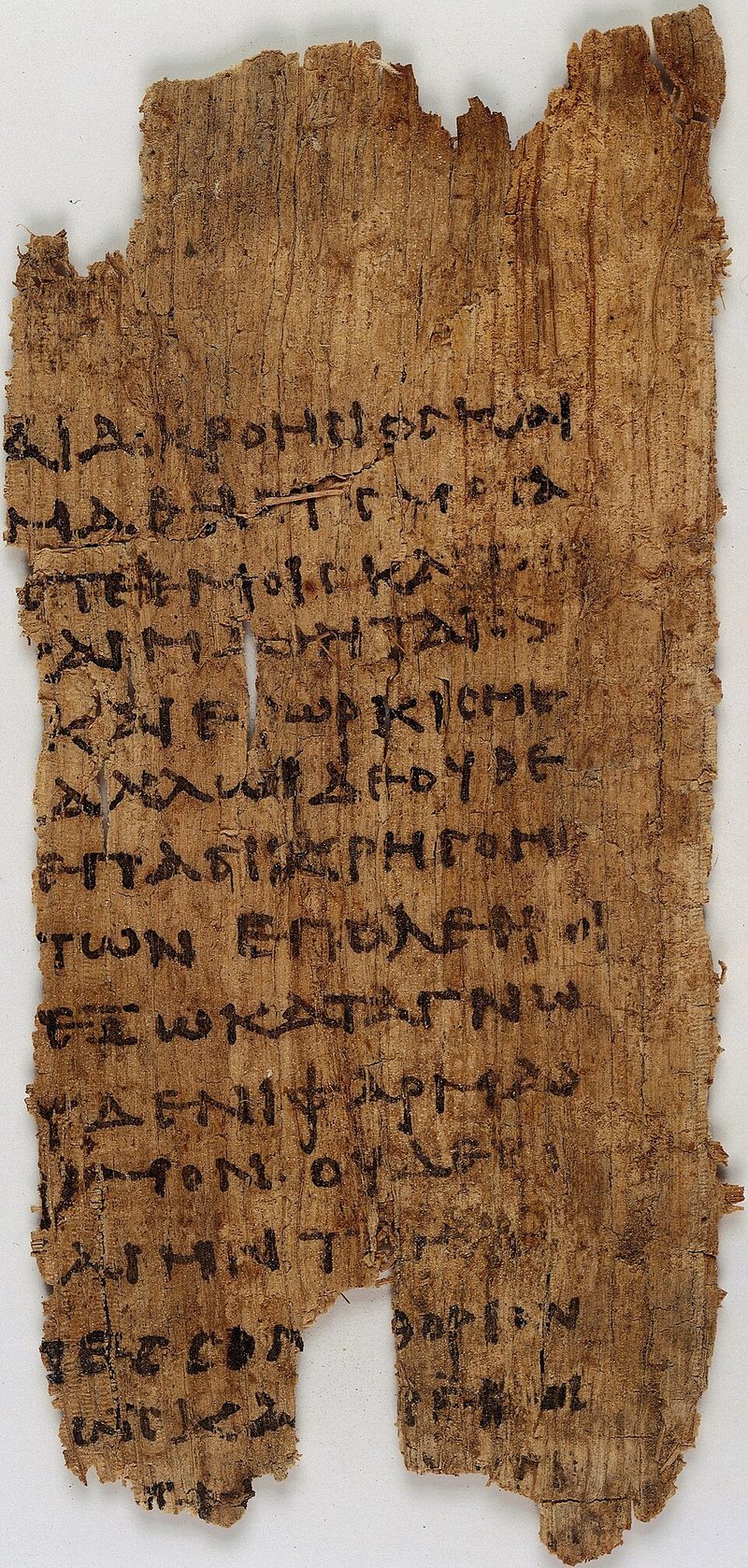 Same disease or problemc. 400 BCEThe Hippocratic OathBoth bind physicians to keep patients' secrets, the 1847 code even after care has ended. The oath shows the ancient version, with its promise to act for the sick and refuse deadly drugs.Read this moment
-
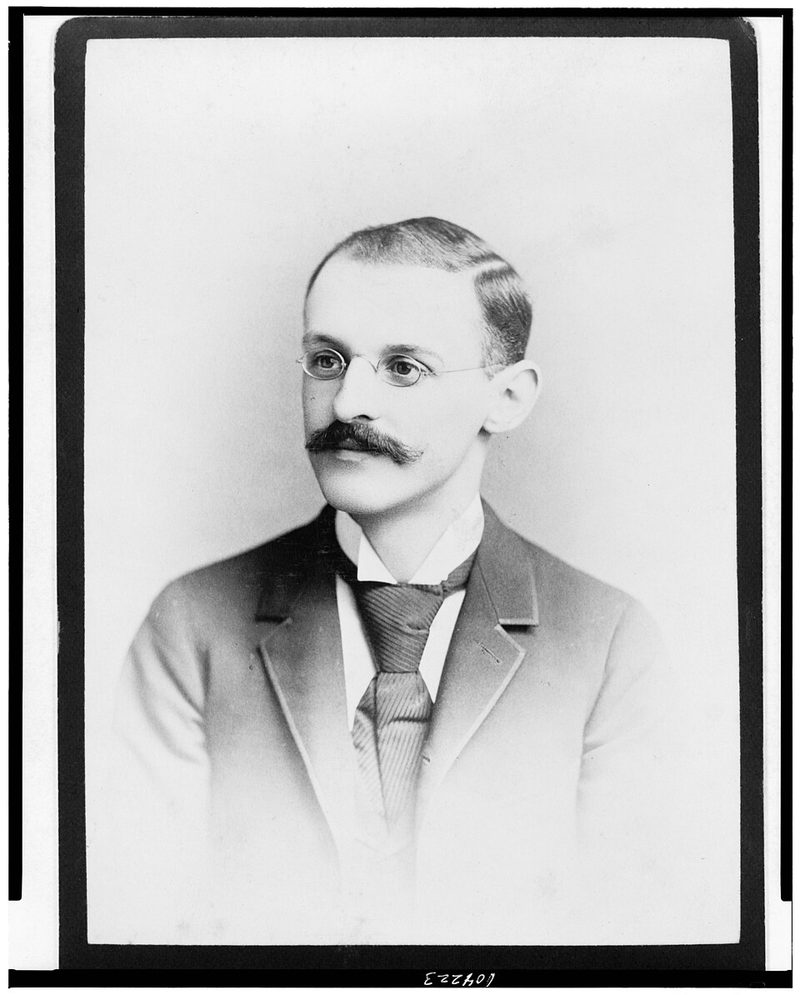 Same disease or problem1910The Flexner ReportThe 1847 convention called for higher standards of medical education, and Flexner's 1910 survey finally forced them. His story shows most North American medical schools rated defective and one third of them closing.Read this moment
-
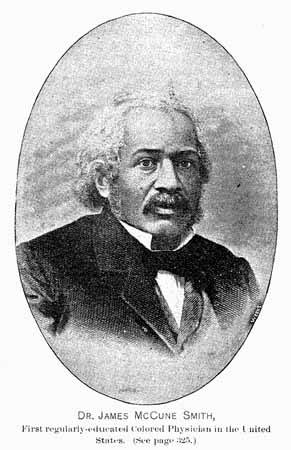 Same disease or problem1837James McCune Smith's medical degreeThe AMA later apologized for its long discrimination against Black physicians. McCune Smith's story shows the first African American with a medical degree, turned away by American colleges and trained in Glasgow.Read this moment