Surgery & Anesthesia
1847
Simpson's chloroform anesthesia
In November 1847 the Edinburgh obstetrician James Young Simpson found that inhaled chloroform could put patients to sleep and began using it in childbirth. Within weeks it had largely replaced ether, though its use in normal labor stayed contested until 1853.
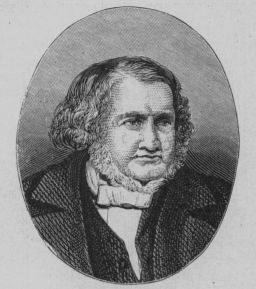
Key people
- James Young Simpson
- Edinburgh professor of midwifery who introduced chloroform anesthesia
- George Keith
- Assistant who inhaled chloroform with Simpson on 4 November 1847
- James Matthews Duncan
- Assistant who inhaled chloroform with Simpson on 4 November 1847
Source
James Young Simpson, son of village bakers in Bathgate, became Professor of Midwifery at the University of Edinburgh in 1840. He was quick to see the importance of inhaled ether when its use in surgery was reported, and on 19 January 1847 he gave ether during a difficult labor. He was not satisfied with the result.
In the summer of 1847 he and his assistants, George Keith and James Matthews Duncan, began inhaling one chemical after another in his dining room to see which might work. On the evening of 4 November they tried chloroform, a liquid they had set aside as unpromising. They felt elated and then lost consciousness. Simpson repeated the test on his niece with the same effect. The University of Edinburgh's account notes that a larger dose would probably have killed them, and a smaller one would not have put them under.
He gave chloroform in a birth on 8 November, having already used it for minor operations, and announced it that month in a pamphlet, Account of a New Anaesthetic Agent, which was also printed in London; the Scotsman carried his account on its front page. By the end of the year manufacturers could not keep up with demand, and within weeks chloroform had almost replaced ether as the standard anesthetic.
Childbirth was harder to win over. Many people accepted chloroform for long or operative deliveries but objected to it in normal labor, which they saw as naturally painful, and Simpson used it regardless. Opposition faded after 7 April 1853, when Queen Victoria gave birth to her eighth child under chloroform. Overdoses and other reactions later brought regulation and a search for safer agents.
In 1869 Simpson persuaded the Edinburgh medical faculty to let Sophia Jex-Blake attend the classes of any professor willing to teach her. He died on 6 May 1870.
Keep exploring
 Read next · built on
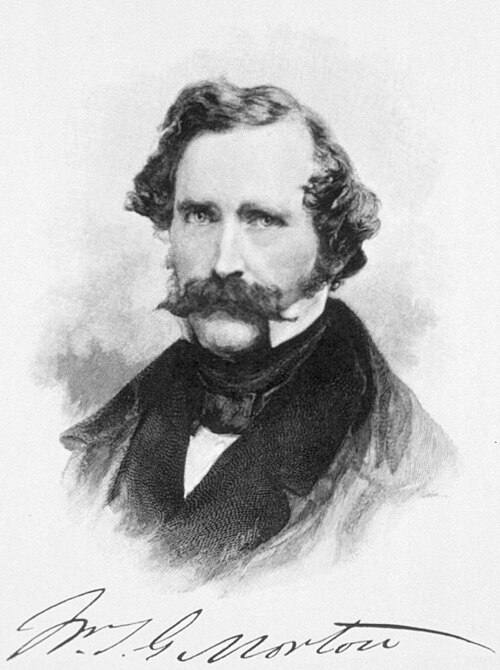
The Ether Demonstration ("Ether Day") (1846)
Simpson was quick to take up ether after its use in surgery was reported from Boston, and he gave it in a difficult labor in January 1847. The Ether Day story shows the demonstration at Massachusetts General Hospital that started it all.
Read this moment
Read next · built on
The Ether Demonstration ("Ether Day") (1846)
Simpson was quick to take up ether after its use in surgery was reported from Boston, and he gave it in a difficult labor in January 1847. The Ether Day story shows the demonstration at Massachusetts General Hospital that started it all.
Read this moment
 Today on The Clinical Times
Love to Dream recalls portable baby sound machine over fire and burn risk
Love to Dream has recalled its portable Sleep Machine because its lithium-ion battery can overheat while charging with an incompatible charger, creating a risk of fire and burns.
Read today’s top stories
Today on The Clinical Times
Love to Dream recalls portable baby sound machine over fire and burn risk
Love to Dream has recalled its portable Sleep Machine because its lithium-ion battery can overheat while charging with an incompatible charger, creating a risk of fire and burns.
Read today’s top stories
All 526 moments in the history of medicine. This one is in chapter 4, Germs, numbers and clean water
Connected moments
How this moment links to others in the history of medicine, and what you will find in each.
-
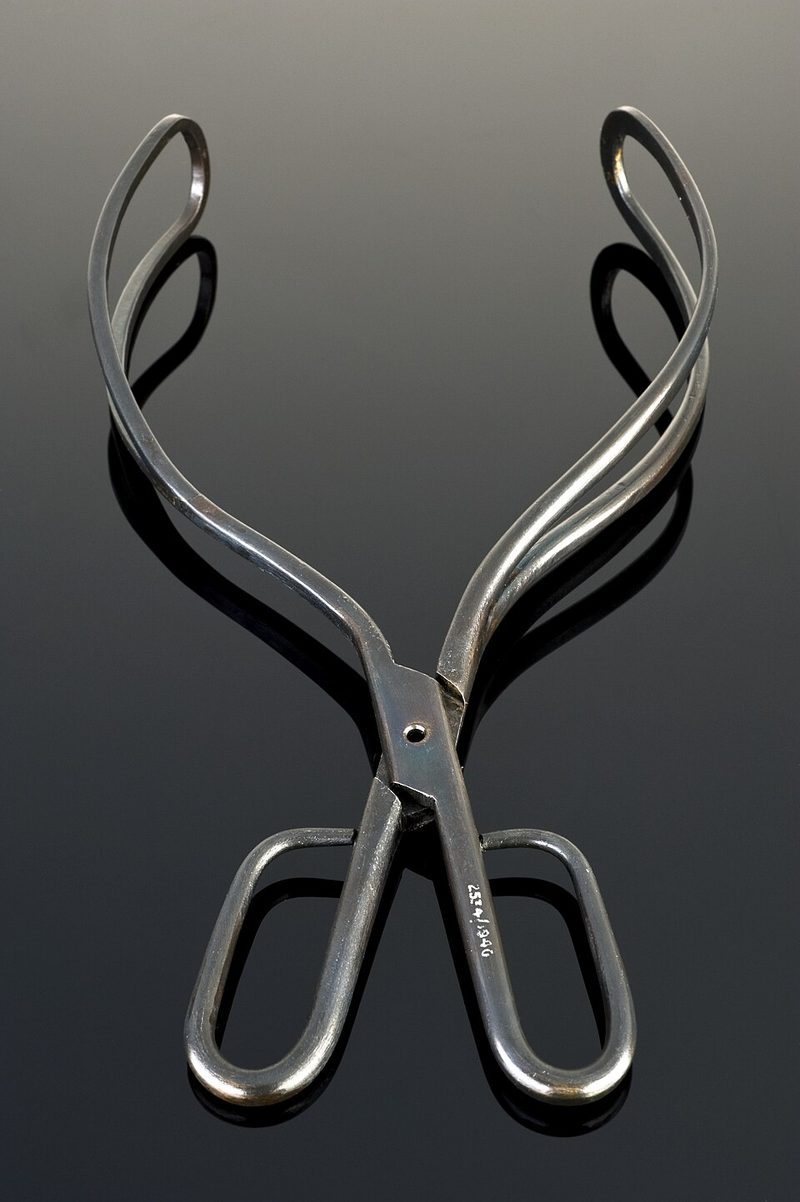 Same disease or problemc. 1600The Chamberlen Obstetric ForcepsBoth tried to make difficult births easier, the Chamberlens with forceps and Simpson with chloroform. The Chamberlen story shows a family of man-midwives keeping their forceps secret for over a century.Read this moment
-
 Same disease or problem1966National Halothane StudyChloroform overdoses led to a search for safer anesthetics, and halothane later raised its own safety fears. The halothane study shows 800,000 anesthetics reviewed to settle whether the drug caused fatal liver damage.Read this moment