Patients & Rights
c. 400 BCE
The Hippocratic Oath
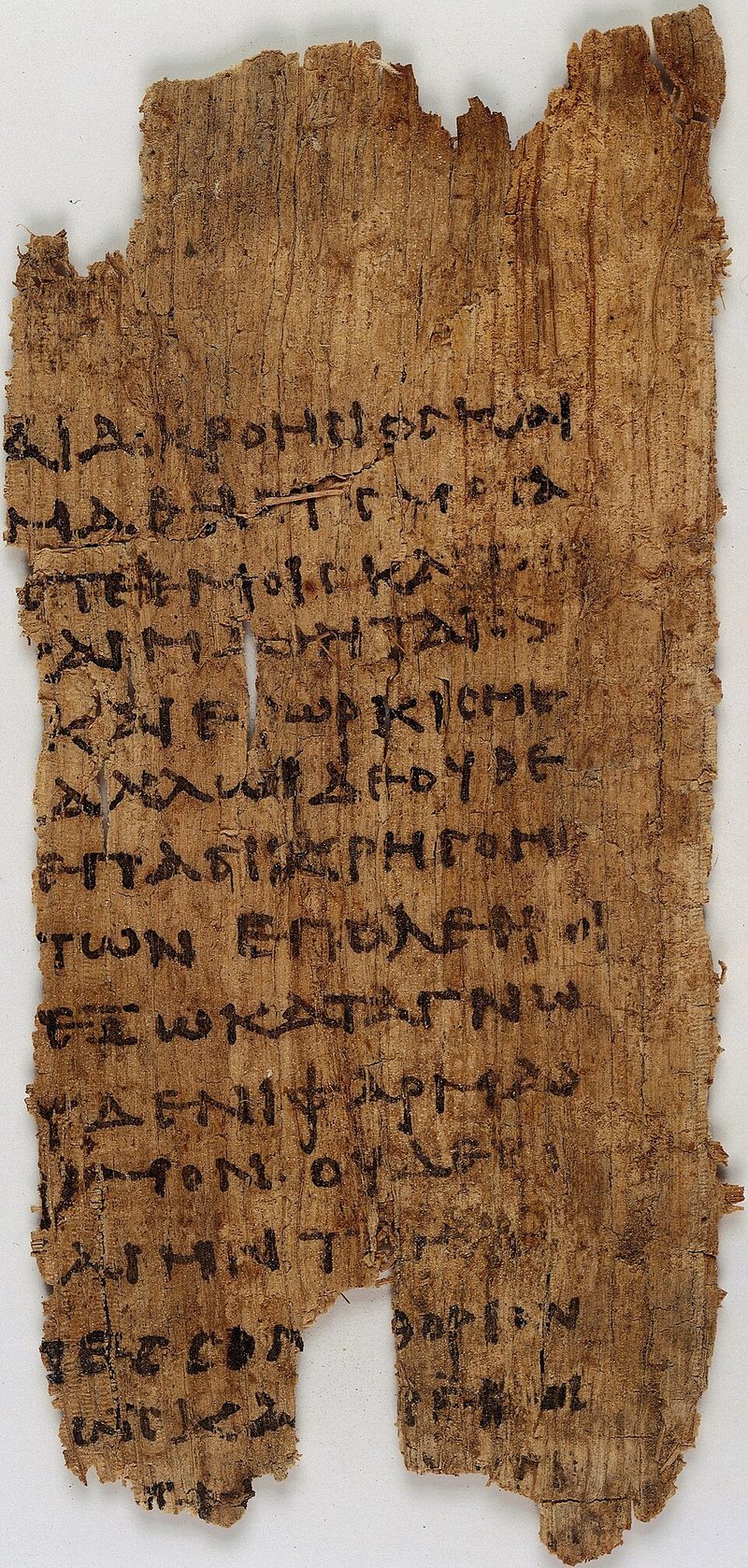
A Greek oath attributed to Hippocrates bound new physicians to act for the benefit of the sick, to avoid harm and injustice, to refuse deadly drugs and to keep patients' secrets. Later cultures rewrote it many times as a code of medical ethics.
Key people
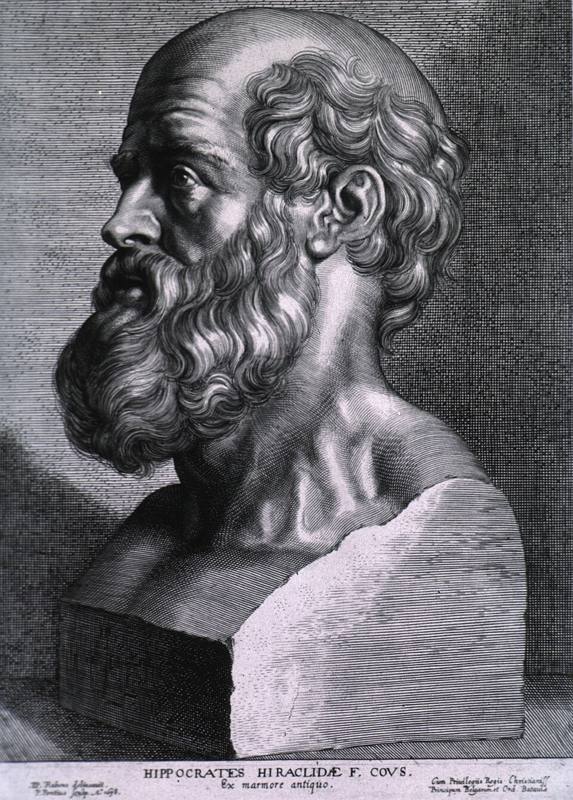
- Hippocrates of Cos
- Greek physician to whom the oath is traditionally attributed
Source
The oath opens with a roll call of gods: Apollo the physician, Asclepius, Hygieia and Panacea. The new physician swore by them to keep its terms, and the first terms concern his teacher. He promised to hold the man who taught him medicine as dear as his parents, to share his living with him when needed, to teach the teacher's sons without fee, and to pass the art on only to his own sons, his teacher's sons and pupils who had taken the same oath.
The duties to the sick come next. He would prescribe regimens for the benefit of patients and do them no harm or injustice. He would give no lethal drug to anyone who asked for one, nor advise it, and would not give a woman a pessary to cause abortion. Cutting for stones he would leave to those trained in that craft. He would enter a house only for the good of the sick, with no seduction of anyone in it, free or slave, and whatever he saw or heard in patients' lives he would keep secret.
Tradition credits the oath to Hippocrates, but its author is unknown, and the date usually given, about 400 BCE, is an estimate. The National Library of Medicine suggests that its strict loyalty clauses may date from the time when training was first opened to students from outside the Asclepiads of Cos, the families who first practiced Hippocratic medicine.
Over the centuries the text was rewritten many times to suit the values of different cultures. It does not contain the phrase "first, do no harm", although that line is often credited to it. Most modern medical schools do not require the oath, though some use modern versions of it.
Keep exploring
 Read next · same person
The Hippocratic Corpus (c. 400 BCE)
Both are credited to Hippocrates and the physicians of Cos. The Corpus shows the medical side of that tradition, explaining illness by diet, climate and the balance of the body, and giving epilepsy a natural cause.
Read this moment
Read next · same person
The Hippocratic Corpus (c. 400 BCE)
Both are credited to Hippocrates and the physicians of Cos. The Corpus shows the medical side of that tradition, explaining illness by diet, climate and the balance of the body, and giving epilepsy a natural cause.
Read this moment
 Today on The Clinical Times
Love to Dream recalls portable baby sound machine over fire and burn risk
Love to Dream has recalled its portable Sleep Machine because its lithium-ion battery can overheat while charging with an incompatible charger, creating a risk of fire and burns.
Read today’s top stories
Today on The Clinical Times
Love to Dream recalls portable baby sound machine over fire and burn risk
Love to Dream has recalled its portable Sleep Machine because its lithium-ion battery can overheat while charging with an incompatible charger, creating a risk of fire and burns.
Read today’s top stories
All 526 moments in the history of medicine. This one is in chapter 1, The ancient world
Connected moments
How this moment links to others in the history of medicine, and what you will find in each.
- Led to1948The Declaration of GenevaThe World Medical Association adopted the Declaration of Geneva in 1948 as a modern version of this oath. It shows the pledge rewritten for new doctors, who promise to put the patient's health first and keep the secrets confided to them.Read this moment
- Same disease or problem1997Oregon's Death with Dignity ActThe oath forbade giving a lethal drug to anyone who asked for one, and Oregon's 1997 law allowed exactly that for the dying. It shows the first US law letting physicians prescribe lethal medication that terminally ill adults take themselves.Read this moment
-
 Same disease or problem1847The AMA's first Code of Medical EthicsBoth bind physicians to keep patients' secrets, the ancient oath and the first national American code of ethics. The 1847 code shows the new AMA also setting duties toward fellow practitioners and the public.Read this moment