Research Methods & Ethics
1948
The Declaration of Geneva
In September 1948 the new World Medical Association adopted the Declaration of Geneva, a modern version of the Hippocratic oath for doctors entering the profession. Revised several times, most recently in 2017, it remains the association's physician's pledge.
National medical associations began planning an international body at the British Medical Association's London headquarters in 1944, and the World Medical Association was founded in Paris on 18 September 1947. Its members found that the custom of giving new doctors an oath at graduation had fallen into disuse or become a formality. A study committee gathered the oaths and promises used in member countries and spent two years drafting a modern wording of the oath of Hippocrates. The work followed the wartime abuses committed by physicians under the Nazi regime.
The second General Assembly, first planned for Prague, met in Geneva in September 1948, adopted the text and named it the Declaration of Geneva. A doctor admitted to the profession pledged to devote his life to the service of humanity, to make the health of the patient his first consideration, to keep the secrets confided to him, and not to let religion, nationality, race, party politics or social standing come between his duty and his patient. He promised the utmost respect for human life from the time of conception and, even under threat, not to use medical knowledge against the laws of humanity.
The same assembly received a report on war crimes and medicine, which led to an International Code of Medical Ethics. Adopted in London in October 1949, it included the text of the declaration and told doctors to observe it.
The declaration was amended in 1968, 1983, 1994 and 2017, with editorial revisions in 2005 and 2006. By 1983 respect for human life was "from its beginning", and by 2005 the qualifier was gone. Secrets were to be kept even after the patient's death, colleagues became sisters and brothers, and the list of factors that must not intrude grew to include age, disease or disability, gender and sexual orientation. The 2017 revision, adopted in Chicago, added respect for the patient's autonomy and dignity and a promise that physicians would attend to their own health, well-being and abilities.
A survey of member associations published in 2018 found the declaration rarely used as an oath, though physicians' oaths were widespread; it was often included in professional codes of conduct or used as a point of reference. It was legally binding in professional regulations or professional law in 6 of 37 countries, under general law in 2, and not binding in 23.
Keep exploring
 Read next · built on
The Hippocratic Oath (c. 400 BCE)
The World Medical Association spent two years drafting a modern wording of the oath of Hippocrates. The oath shows the ancient original, with its promises to act for the sick, refuse deadly drugs and keep secrets.
Read this moment
Read next · built on
The Hippocratic Oath (c. 400 BCE)
The World Medical Association spent two years drafting a modern wording of the oath of Hippocrates. The oath shows the ancient original, with its promises to act for the sick, refuse deadly drugs and keep secrets.
Read this moment
 Today on The Clinical Times
Love to Dream recalls portable baby sound machine over fire and burn risk
Love to Dream has recalled its portable Sleep Machine because its lithium-ion battery can overheat while charging with an incompatible charger, creating a risk of fire and burns.
Read today’s top stories
Today on The Clinical Times
Love to Dream recalls portable baby sound machine over fire and burn risk
Love to Dream has recalled its portable Sleep Machine because its lithium-ion battery can overheat while charging with an incompatible charger, creating a risk of fire and burns.
Read today’s top stories
All 526 moments in the history of medicine. This one is in chapter 5, Cures and codes
Connected moments
How this moment links to others in the history of medicine, and what you will find in each.
-
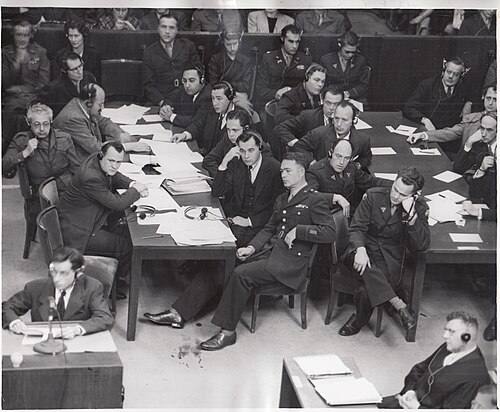 Same disease or problem1947The Nuremberg CodeThe Declaration of Geneva followed the wartime abuses of Nazi physicians, the crimes judged in the Nuremberg doctors' trial. The Nuremberg Code shows the research rules written into that verdict.Read this moment
-
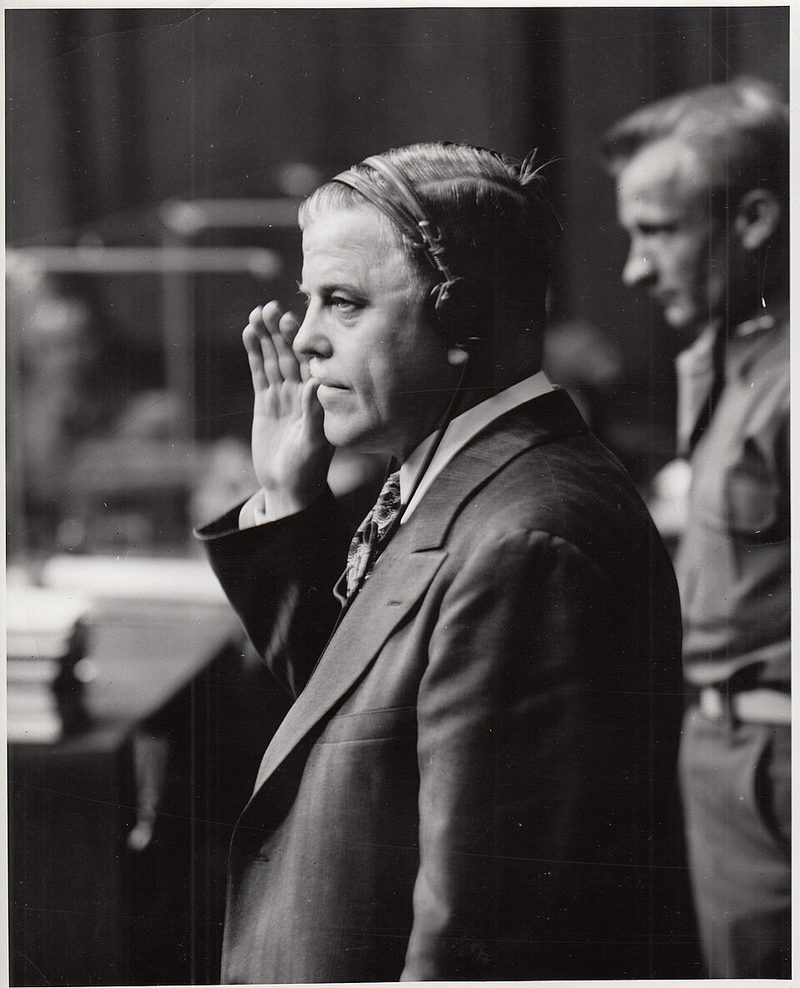 Same disease or problem1964Declaration of HelsinkiThe World Medical Association gave new doctors the Geneva pledge in 1948 and gave researchers the Declaration of Helsinki in 1964. Helsinki's story shows the rules it set for research on patients.Read this moment
-
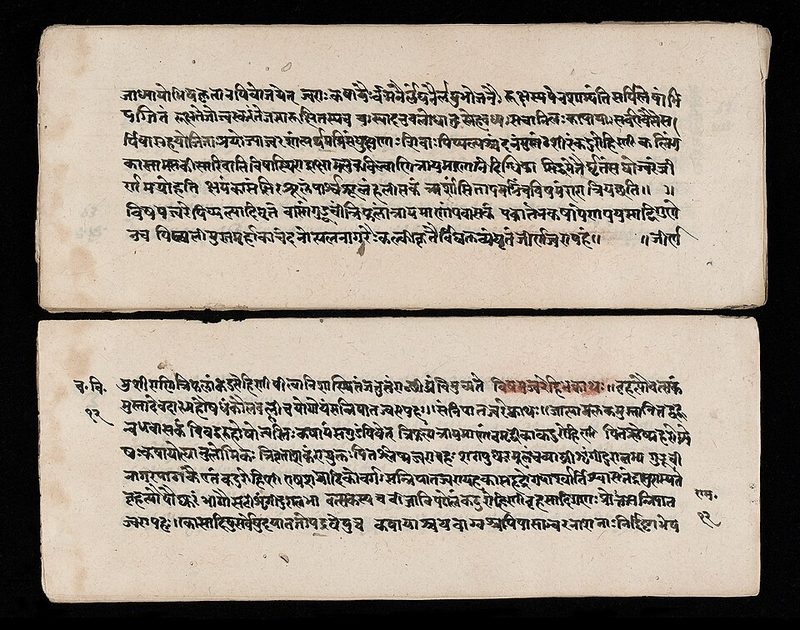 Same disease or problemc. 100 BCEThe Charaka SamhitaBoth are pledges taken by those entering medicine, the Geneva declaration and the Ayurvedic student's vow before the sacred fire. The Charaka story shows a student promising to serve patients and not reveal a household's customs.Read this moment