Oncology
1894
Halsted's radical mastectomy
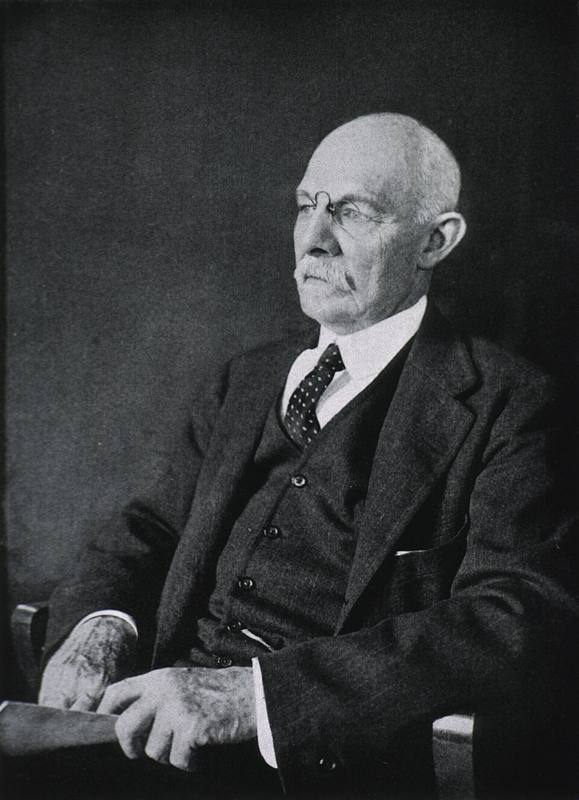
In 1894 William Halsted of Johns Hopkins reported 50 breast cancer operations removing the breast, the axillary glands and at least part of the chest muscle, with three local recurrences. It stayed standard for decades until randomized trials found smaller operations gave equal survival.
Key people
- William Stewart Halsted
- Johns Hopkins surgeon who devised and reported the radical mastectomy
- Bernard Fisher
- First author of the NSABP trials comparing radical and smaller operations
Source
William Stewart Halsted, the first chief of surgery at the Johns Hopkins Hospital, held that a surgeon operating for breast cancer should answer for the whole region the disease spread through: the main growth, the armpit, the pectoral muscles and the area above the collarbone. He set out his results in November 1894 in the journal Annals of Surgery, covering operations at Johns Hopkins from June 1889 to January 1894.
In what he called the complete method, the surgeon removed the breast, cleared the contents of the armpit and the region below the collarbone, usually cleared the region above it as well, and took at least part of the pectoralis major muscle. Every one of the 50 patients treated this way had cancer in some or all of the axillary glands, and 27 had been judged hopeless or unfavorable at operation. Halsted could trace only three local recurrences, 6 percent, and he wrote that the figures encouraged hope for a brighter future.
The radical mastectomy remained the standard surgical treatment for breast cancer until the late twentieth century. Its costs fell on the patients. Letters to Halsted kept in the Johns Hopkins archives describe restricted arm movement, a swollen arm now recognized as lymphedema, pain and fear of recurrence, and Halsted himself acknowledged arm swelling after the operation.
Surgeons first tried still larger operations, the extended and super-radical mastectomies, which brought little benefit. The trend then reversed, toward the modified radical mastectomy, which spares the chest muscles, and later breast-conserving surgery.
Randomized trials settled the question. The National Surgical Adjuvant Breast and Bowel Project began its B-04 trial in 1971, assigning 1,665 women to radical mastectomy or to total mastectomy with or without radiation; at 25 years Bernard Fisher and colleagues found no significant difference in survival. Its B-06 trial, begun in 1976, found no survival difference between total mastectomy and lumpectomy in 1,851 women, and lumpectomy followed by radiation became accepted treatment when the tumor margins were clear.
Keep exploring
 Read next · same person
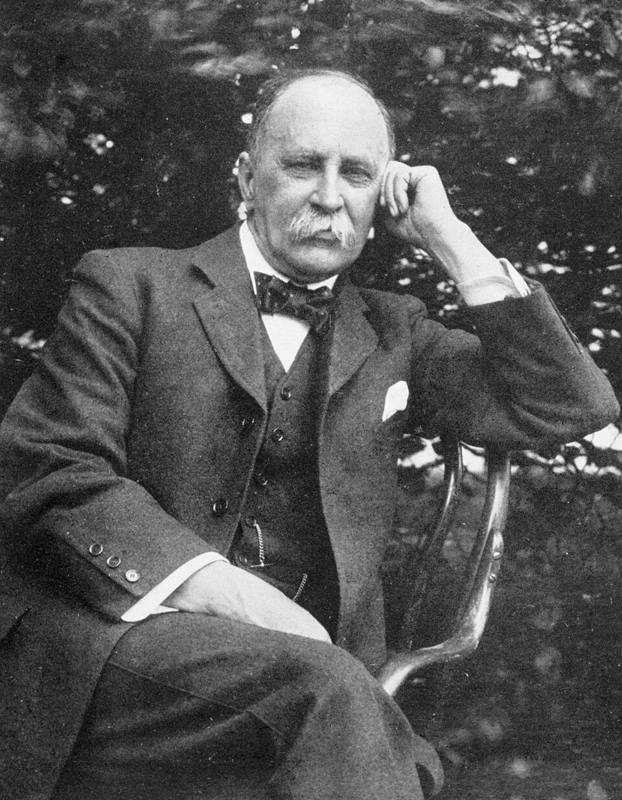
Johns Hopkins Hospital and the residency system (1889)
Halsted was the first chief of surgery at Johns Hopkins, where he built the surgical residency. The Hopkins story shows resident doctors living in the hospital and training for years, a model for North America.
Read this moment
Read next · same person
Johns Hopkins Hospital and the residency system (1889)
Halsted was the first chief of surgery at Johns Hopkins, where he built the surgical residency. The Hopkins story shows resident doctors living in the hospital and training for years, a model for North America.
Read this moment
 Today on The Clinical Times
Love to Dream recalls portable baby sound machine over fire and burn risk
Love to Dream has recalled its portable Sleep Machine because its lithium-ion battery can overheat while charging with an incompatible charger, creating a risk of fire and burns.
Read today’s top stories
Today on The Clinical Times
Love to Dream recalls portable baby sound machine over fire and burn risk
Love to Dream has recalled its portable Sleep Machine because its lithium-ion battery can overheat while charging with an incompatible charger, creating a risk of fire and burns.
Read today’s top stories
All 526 moments in the history of medicine. This one is in chapter 4, Germs, numbers and clean water
Connected moments
How this moment links to others in the history of medicine, and what you will find in each.
-
 Same person1998NSABP P-1 Breast Cancer Prevention Trial (tamoxifen)Bernard Fisher, whose trials found smaller operations as good as Halsted's, later led the project that ran the tamoxifen prevention trial. That story shows a drug tested to prevent breast cancer in more than 13,000 women.Read this moment
-
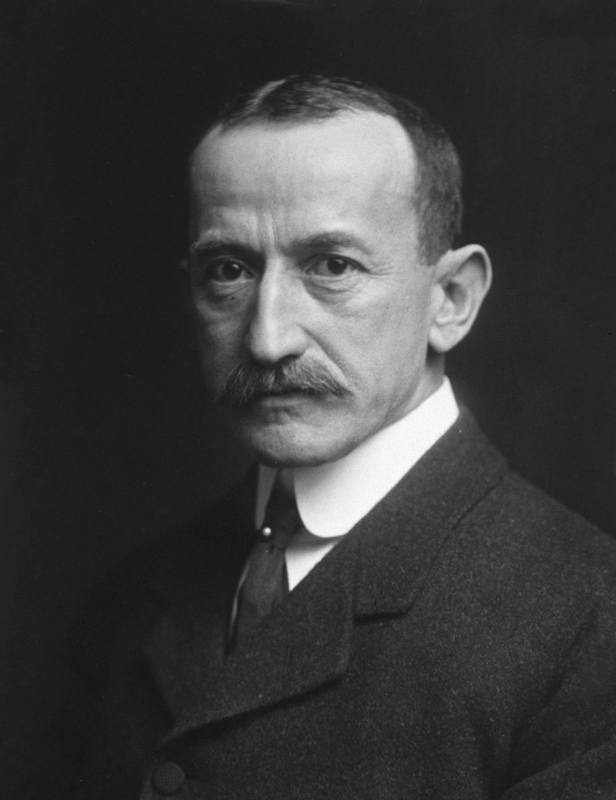 Same person1884Koller's cocaine local anesthesiaHalsted is credited with the first nerve blocks using cocaine, and he became addicted to the drug. Koller's story shows how cocaine drops for eye surgery spread within weeks into nerve blocks and spinal anesthesia.Read this moment
-
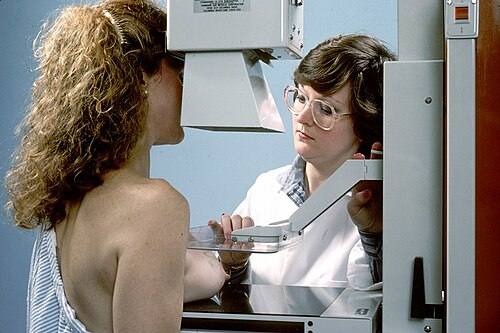 Same disease or problem1971Health Insurance Plan (HIP) of Greater New York mammography trialHalsted attacked breast cancer with ever wider surgery, and the HIP trial tried to catch it earlier through screening. Its story shows the first randomized trial of mammography and about 30 percent fewer breast cancer deaths.Read this moment