Patients & Rights
c. 1099
The Hospital of St John in Jerusalem
The pilgrim hospital run by the Order of St John in crusader Jerusalem took in sick men and women, reportedly up to 2,000 at a time, and its 1181 statutes required four doctors, individual beds with their own sheets, and cradles for newborns.
Key people
- Gerard
- Head of the Jerusalem hospice in 1099; founder of the Hospitaller order
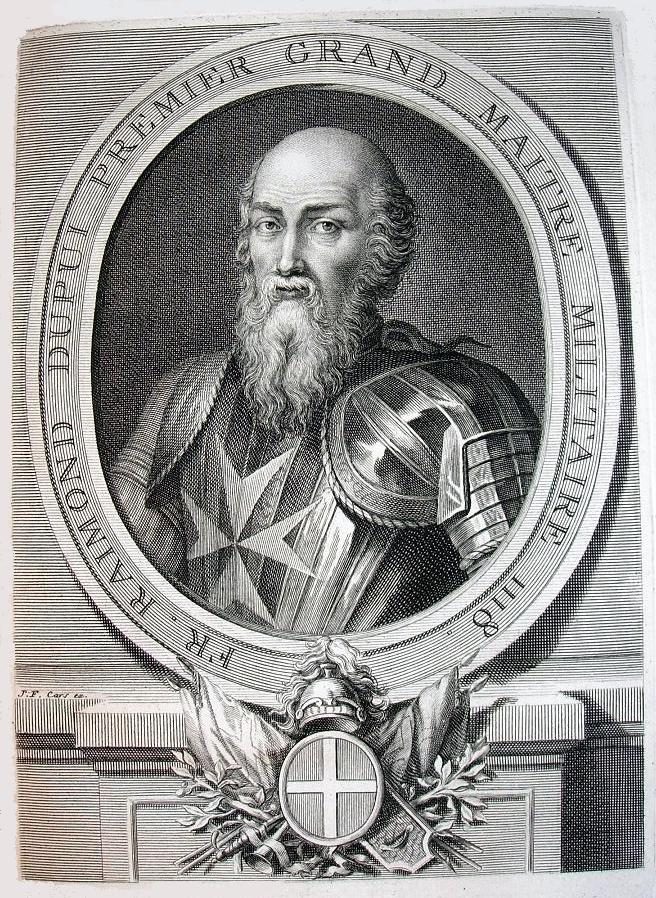
- Raymond du Puy
- Gerard's successor, author of the order's Rule
- Roger des Moulins
- Master 1177 to 1187 whose statutes regulated patient care
- John of Würzburg
- German pilgrim who described the hospital between 1160 and 1170
Source
When the crusaders took Jerusalem in 1099, a hospice for Latin pilgrims in the city was being run by a man named Gerard, probably from Martigues in Provence. It had been under the Benedictine abbot of St Mary of the Latins. Gerard, who had been useful to the crusaders, freed it from Benedictine control and founded a separate order of Hospitallers, which Pope Paschal II confirmed by a bull in 1113. That is the account in E. J. King's 1934 edition of the order's rules.
Gerard's successor, Raymond du Puy, drew up the order's Rule, which at first had 15 clauses; four more were added later. The order also acquired castles and fighting brethren. Its principal hospital stood in Jerusalem until 1187.
John of Würzburg, a German pilgrim who wrote between 1160 and 1170, found it beside a church of John the Baptist, across the street from the Church of the Holy Sepulchre. Sick men and women lay in many rooms. He was told they numbered 2,000, and that on some days more than 50 were carried out dead in a single day and night while new patients kept arriving. The house fed as many people outside its walls as within.
Statutes issued under the Master Roger des Moulins, at a chapter-general that King dates to 1181, set out what the patients were owed. Four wise doctors were to be engaged who could examine urine, diagnose diseases and give medicines. Beds were to be long and broad, each with its own coverlet and sheets. Every patient was to have a sheepskin cloak, boots for going to the latrines, and a woollen cap. Small cradles were to be made for babies born to women pilgrims in the house, so that a restless mother could not endanger her child. The customs Roger confirmed add fresh pork or mutton three days a week, chicken for those who could not eat meat, and the care of abandoned children. The order's chronicle described him as loving his brethren and "our lords the sick".
Roger des Moulins was killed fighting Saladin's son al-Afdal at the Spring of Cresson on 1 May 1187. Two months later the army of Jerusalem was destroyed at Hattin, the city surrendered to Saladin that autumn, and the Hospitallers moved their headquarters to the castle of Margat.
Keep exploring
 Read next · same disease or problem
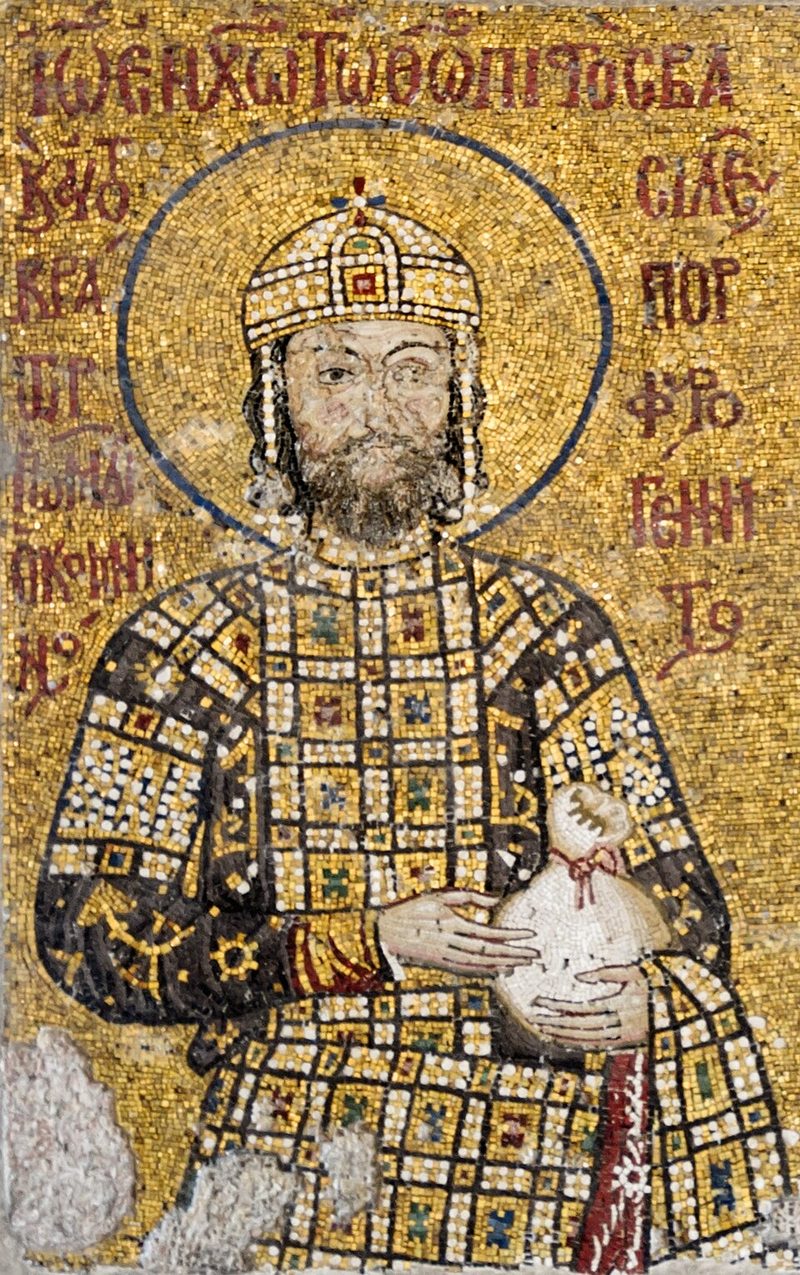
The Pantokrator hospital in Constantinople (1136)
Both are 12th century hospitals whose rules promised patients their own beds and bedding and named the doctors who would treat them. The Pantokrator charter shows a Byzantine version with wards by illness, a women's ward and a female doctor.
Read this moment
Read next · same disease or problem
The Pantokrator hospital in Constantinople (1136)
Both are 12th century hospitals whose rules promised patients their own beds and bedding and named the doctors who would treat them. The Pantokrator charter shows a Byzantine version with wards by illness, a women's ward and a female doctor.
Read this moment
 Today on The Clinical Times
Love to Dream recalls portable baby sound machine over fire and burn risk
Love to Dream has recalled its portable Sleep Machine because its lithium-ion battery can overheat while charging with an incompatible charger, creating a risk of fire and burns.
Read today’s top stories
Today on The Clinical Times
Love to Dream recalls portable baby sound machine over fire and burn risk
Love to Dream has recalled its portable Sleep Machine because its lithium-ion battery can overheat while charging with an incompatible charger, creating a risk of fire and burns.
Read today’s top stories
All 526 moments in the history of medicine. This one is in chapter 2, The medieval world
Connected moments
How this moment links to others in the history of medicine, and what you will find in each.
-
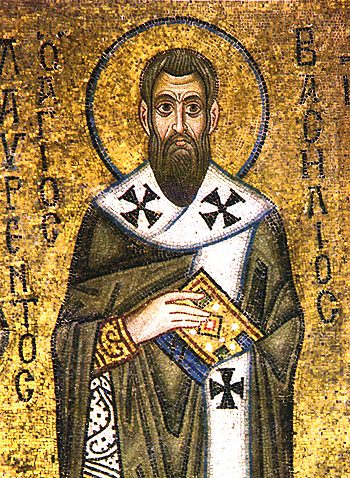 Same disease or problemc. 372 CEBasil's hospital at CaesareaBoth grew from houses that lodged travelers and the sick poor, Basil's outside Caesarea and the Hospitallers' in Jerusalem. Basil's story shows a fourth century complex with physicians, which also took in lepers driven from their towns.Read this moment
-
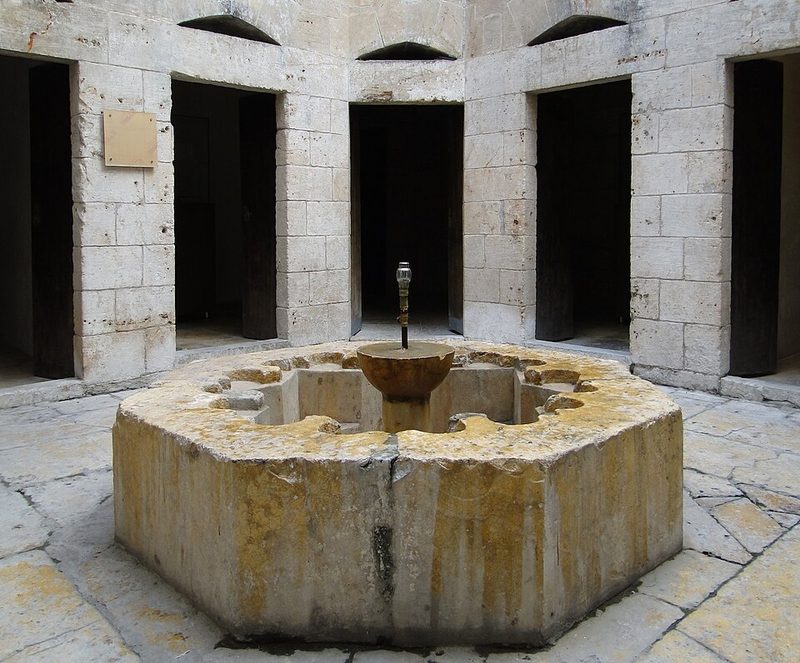 Same disease or problemc. 800 CEBimaristans of medieval IslamBoth are medieval hospitals that took in sick men and women in large numbers. The bimaristans show the Islamic version of the same era, funded by endowments, with free dispensaries and wards for the mentally ill.Read this moment