Foundational Discovery
c. 1024
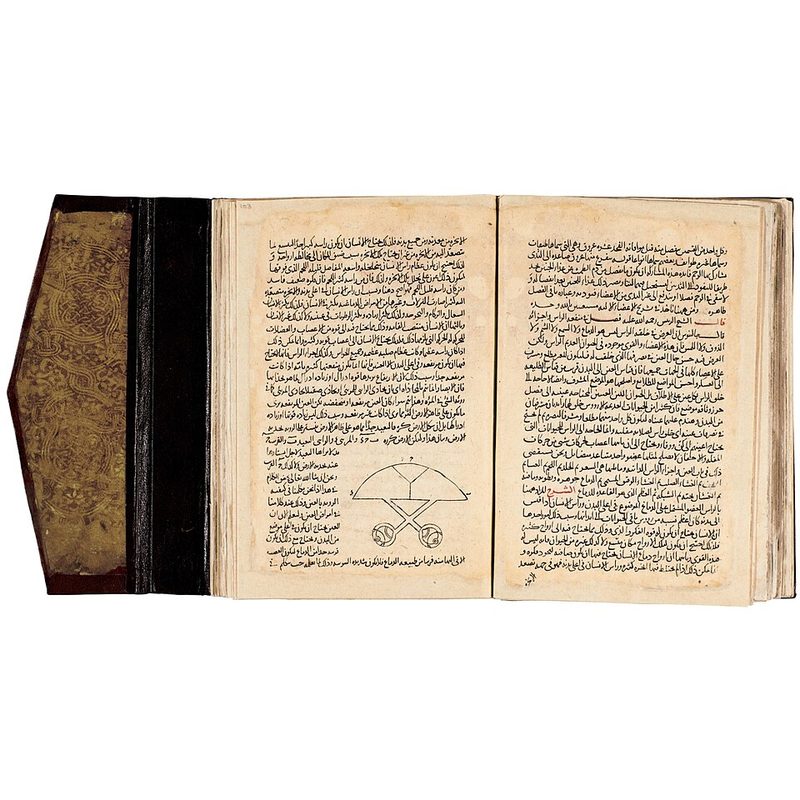
Ibn Sina's Canon of Medicine
Ibn Sina's five-book encyclopedia arranged medical theory, drugs and diseases into one system and set out rules for testing remedies by experiment on people. It was copied and taught from Persia to Europe, where universities still used it in the 17th century.
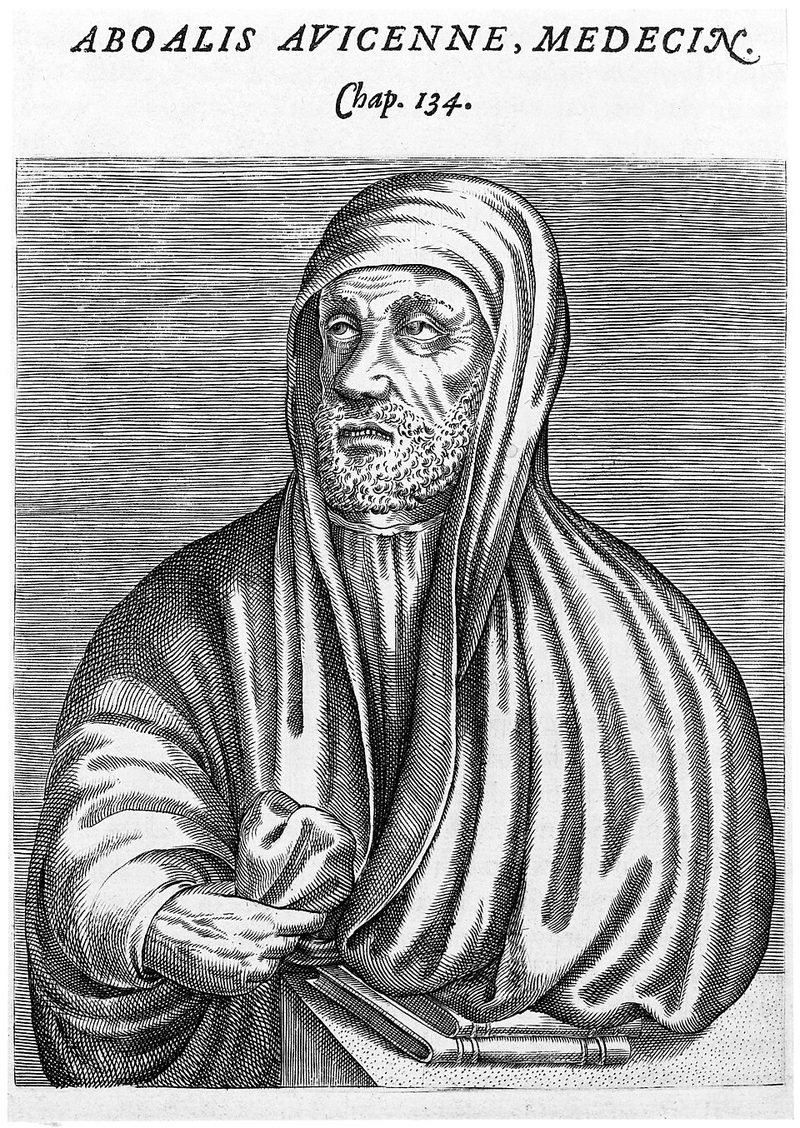
Key people
- Ibn Sina (Avicenna)
- Persian physician and philosopher who wrote the Canon; 980 to 1037
- Gerard of Cremona
- Translated the Canon into Latin
Source
A drug should be tried on a single disease, not on a patient with two conditions at once, and it should be tried on people, because a medicine that acts as hot in a human body may act as cold in a lion or a horse. These are two of the seven rules Ibn Sina gave in the second book of his Canon of Medicine for finding the strength of a remedy by experiment, which he called tajribah.
Ibn Sina, known in Europe as Avicenna, was born about 980 near Bukhara and had to move several times as the Persian empire broke into smaller kingdoms. He began the Canon in Jorjan, near the Caspian Sea, continued it in Rayy and finished it in Hamadan, where he died in 1037. Sources date the work from about 1012 to 1024; one account has him writing it over twelve years. He meant to add his own case notes, but the papers were lost before he could.
The five books moved from general principles, anatomy and regimen, through an alphabetical list of simple drugs, to the diseases of each part of the body, conditions such as fevers that belong to no single part, and a formulary of compound remedies. The Syrian physician Bar Hebraeus later recorded that it soon pushed aside the leading earlier textbook, the Complete Book of the Medical Art written about 983 by al-Majusi. Physicians went on writing epitomes and commentaries on it for centuries, among them Ibn al-Nafis in 13th century Syria and Hakim Ali al-Jilani at the Mughal court, who died in 1609.
In Europe it was read in the Latin translations of Gerard of Cremona and Andrea Alpago, and it was still taught at Louvain and Montpellier in the 17th century. An Arabic edition printed in Rome in 1593 was the first medical work printed in Arabic.
Keep exploring
 Read next · led to
Ibn al-Nafis and the pulmonary circulation (c. 1242)
Ibn al-Nafis wrote a commentary on the anatomy in Ibn Sina's Canon and there described the pulmonary circulation. His story shows how he denied any passage through the heart's wall, three centuries before Europeans described the circuit.
Read this moment
Read next · led to
Ibn al-Nafis and the pulmonary circulation (c. 1242)
Ibn al-Nafis wrote a commentary on the anatomy in Ibn Sina's Canon and there described the pulmonary circulation. His story shows how he denied any passage through the heart's wall, three centuries before Europeans described the circuit.
Read this moment
 Today on The Clinical Times
Love to Dream recalls portable baby sound machine over fire and burn risk
Love to Dream has recalled its portable Sleep Machine because its lithium-ion battery can overheat while charging with an incompatible charger, creating a risk of fire and burns.
Read today’s top stories
Today on The Clinical Times
Love to Dream recalls portable baby sound machine over fire and burn risk
Love to Dream has recalled its portable Sleep Machine because its lithium-ion battery can overheat while charging with an incompatible charger, creating a risk of fire and burns.
Read today’s top stories
All 526 moments in the history of medicine. This one is in chapter 2, The medieval world
Connected moments
How this moment links to others in the history of medicine, and what you will find in each.
-
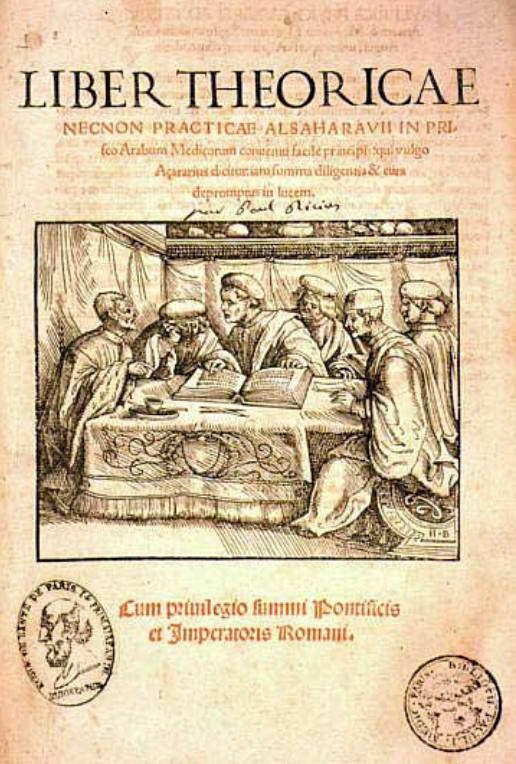 Same personc. 1000Al-Zahrawi's illustrated surgeryGerard of Cremona translated both the Canon and al-Zahrawi's surgery into Latin. Al-Zahrawi's book shows the surgical side of Arabic medicine, with detailed drawings of instruments he modified or designed.Read this moment
-
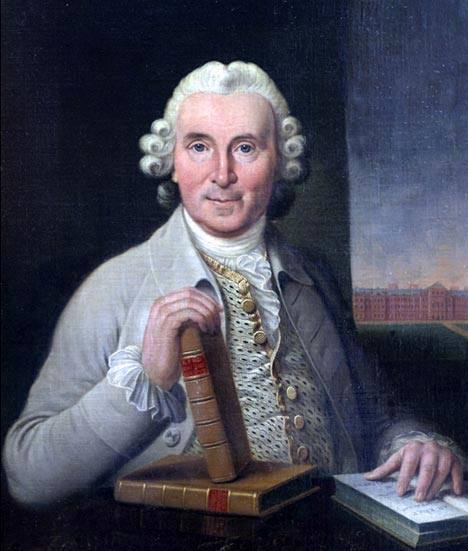 Same disease or problem1747Lind's Scurvy Trial on HMS SalisburyIbn Sina set rules for testing a remedy on people, one disease at a time, and Lind later compared remedies in matched patients. His scurvy trial gave six remedies to pairs of sailors and found that oranges and lemons worked best.Read this moment