Research Methods & Ethics
1747
Lind's Scurvy Trial on HMS Salisbury
Naval surgeon James Lind gave pairs of sailors with scurvy, housed and fed alike, six different remedies and found that oranges and lemons worked best, an early controlled comparison of treatments.
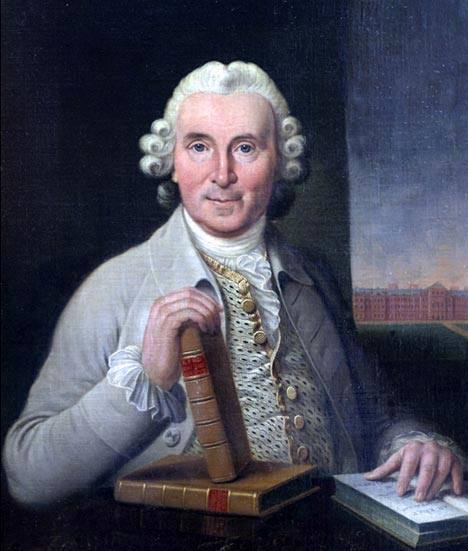
Key people
- James Lind
- Surgeon of HMS Salisbury who ran the 1747 comparison
- Gilbert Blane
- Persuaded the Admiralty in 1795 to supply citrus to ships
Source
During a ten-week cruise of HMS Salisbury, 80 of her 350 men came down with scurvy. The ship's surgeon, James Lind, had many proposed remedies to choose from and no way of telling which of them worked.
On 20 May 1747, with the Salisbury at sea on blockade in the English Channel, he took twelve patients whose cases were as alike as he could find: rotten gums, spots on the skin, exhaustion and weak knees. They lay together in the fore-hold and ate the same food, sweetened water-gruel in the morning, mutton broth or puddings at midday, and barley, rice or sago in the evening. Each pair then got one extra treatment: a quart of cider a day, elixir of vitriol, vinegar, two oranges and a lemon, or a paste of garlic, mustard seed, horseradish, balsam of Peru and myrrh. The two worst cases drank half a pint of sea water a day.
The fruit ran out after six days, but by then the result was plain. One of the two men given oranges and lemons was fit for duty on the sixth day, and the other recovered well enough to be put to nursing the rest of the sick. Lind judged the cider next best.
He left the navy, studied at the University of Edinburgh for his professional qualifications, and in 1753 published A Treatise of the Scurvy, which also reviewed what earlier writers had said about the disease. It was translated into German, Dutch, French and Italian. The Admiralty did not act on it. Lemon juice was not a new idea, and Lind himself also recommended vegetables and a lemon preparation called rob. Only in 1795, after Gilbert Blane pressed the case, did the Admiralty agree to supply citrus to its ships.
Keep exploring
 Read next · led to
Lemon juice for the Royal Navy (1795)
Lind found oranges and lemons cured scurvy, but only in 1795, pressed by Gilbert Blane, did the Admiralty supply citrus to its ships. That story shows how the navy finally acted, nearly fifty years later.
Read this moment
Read next · led to
Lemon juice for the Royal Navy (1795)
Lind found oranges and lemons cured scurvy, but only in 1795, pressed by Gilbert Blane, did the Admiralty supply citrus to its ships. That story shows how the navy finally acted, nearly fifty years later.
Read this moment
 Today on The Clinical Times
Love to Dream recalls portable baby sound machine over fire and burn risk
Love to Dream has recalled its portable Sleep Machine because its lithium-ion battery can overheat while charging with an incompatible charger, creating a risk of fire and burns.
Read today’s top stories
Today on The Clinical Times
Love to Dream recalls portable baby sound machine over fire and burn risk
Love to Dream has recalled its portable Sleep Machine because its lithium-ion battery can overheat while charging with an incompatible charger, creating a risk of fire and burns.
Read today’s top stories
All 526 moments in the history of medicine. This one is in chapter 3, Anatomy and observation
Connected moments
How this moment links to others in the history of medicine, and what you will find in each.
-
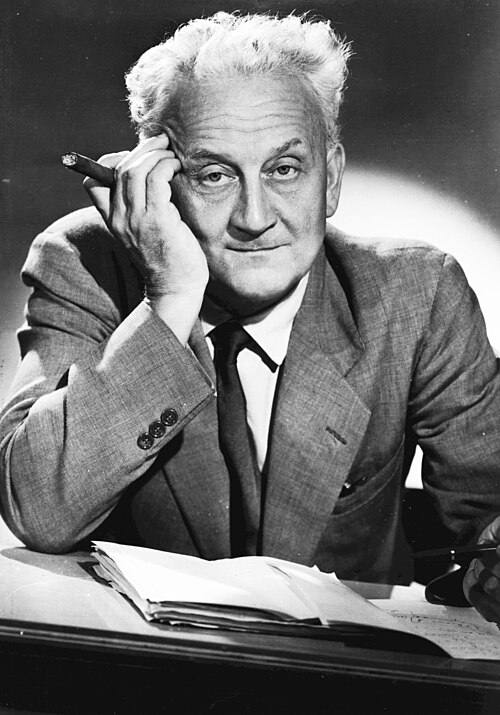 Same disease or problem1932Identification of vitamin C as the antiscorbutic factorLind showed citrus cured scurvy without knowing why, and in 1932 two groups identified the cause as a lack of ascorbic acid. Their story shows the long hunt for the antiscorbutic factor, vitamin C.Read this moment
-
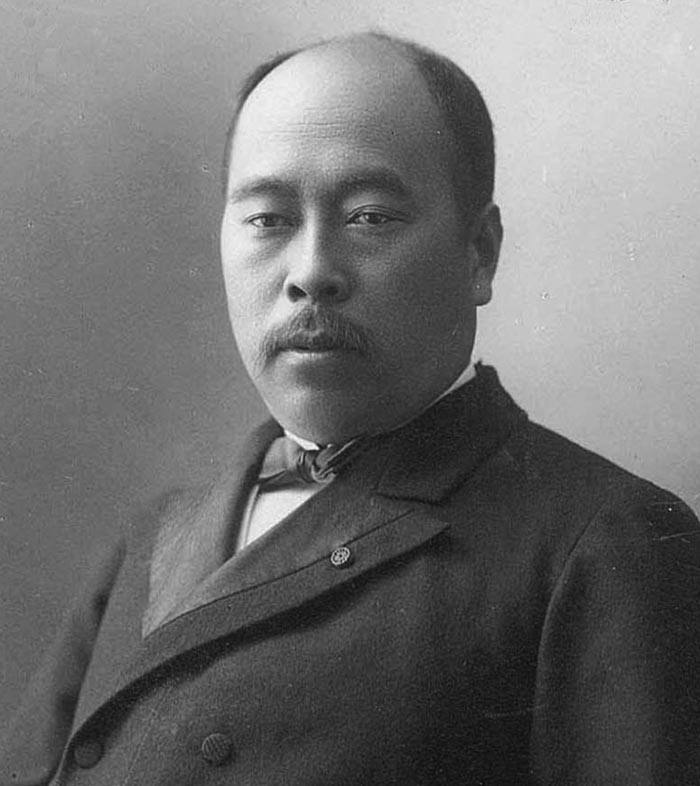 Same disease or problem1884Takaki's navy diet trial against beriberiBoth tested diet at sea against a deficiency disease, Lind against scurvy and Takaki against beriberi. Takaki's story shows a training ship with richer rations cutting beriberi from 169 cases to 14.Read this moment
-
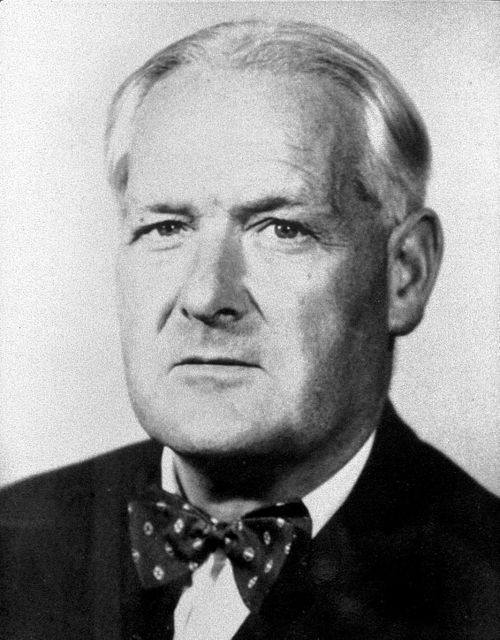 Same disease or problem1948MRC Streptomycin Trial for Pulmonary TuberculosisLind's trial was an early controlled comparison of treatments, and the MRC streptomycin trial set the modern standard. Its story shows the careful steps taken to make a comparison of treatments fair.Read this moment