Public Health
1795
Lemon juice for the Royal Navy
In 1795 the physician Gilbert Blane persuaded the British Admiralty to issue lemon juice to its sailors on a far larger scale than ever before, nearly half a century after James Lind's scurvy trial. By 1815 scurvy had almost disappeared from the fleet.
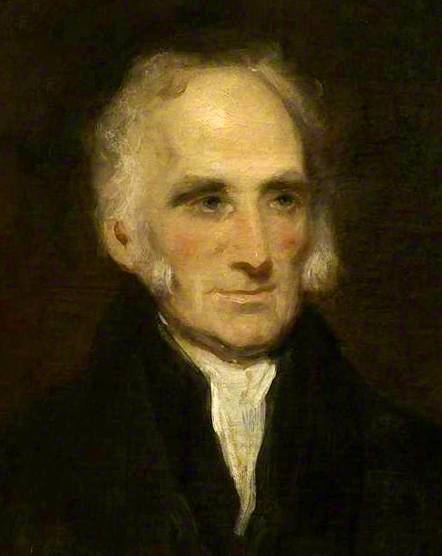
Key people
- Gilbert Blane
- Naval physician who persuaded the Admiralty to issue lemon juice
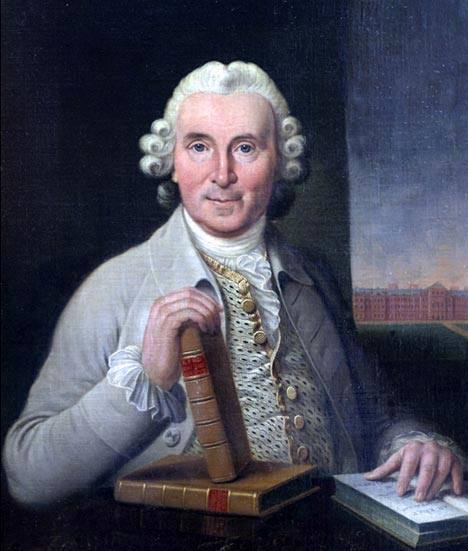
- James Lind
- Naval surgeon whose 1747 trial favoured citrus against scurvy
- John Lind
- James Lind's son and successor at Haslar; supplied the 1815 figures
Source
During his first two years at Haslar Hospital, James Lind saw 1,146 cases of scurvy among 5,743 patients. He had tested remedies on 12 scorbutic sailors aboard HMS Salisbury in May 1747 and published his Treatise of the Scurvy in 1753. The navy did not act on it. In 1754 its Sick and Hurt Board turned down a proposal to supply sailors with fruit juice.
Other remedies competed. Lind's preserved juice, a rob made by concentrating diluted juice at near boiling heat, lost much of its power, since heat destroys vitamin C. In 1776 Captain James Cook, in a paper for the Royal Society, promoted malt wort over lemon rob, and his word carried great weight.
Gilbert Blane (1749 to 1834) had entered the navy already holding a medical degree and was physician to Lord Rodney's fleet in the Caribbean during the American War of Independence. In 1785 he published Observations on the Diseases Incident to Seamen. By one account, in 1793 a fleet bound for India on his advice carried plenty of lemon juice preserved with alcohol and reached Madras free of scurvy after nineteen weeks without putting into port. Blane, by then a commissioner of the Sick and Hurt Board, used that result to persuade the Admiralty in 1795 to sanction lemon juice on a far more generous scale than ever before. He still blamed scurvy partly on sloth, damp, filth and cold.
The disease fell away. It is said that when the First Lord of the Admiralty visited Haslar in 1797 and asked to see a scurvy patient, none could be found. In 1815 Blane reported figures from John Lind, James's son and successor at Haslar: only two cases of scurvy had been sent to the hospital in the last four years of the Napoleonic Wars.
Keep exploring
 Read next · built on
Lind's Scurvy Trial on HMS Salisbury (1747)
Blane won the lemon juice ration nearly half a century after James Lind's trial showed that oranges and lemons cured scurvy. Lind's story shows that trial, twelve sailors in six pairs, each pair given a different remedy.
Read this moment
Read next · built on
Lind's Scurvy Trial on HMS Salisbury (1747)
Blane won the lemon juice ration nearly half a century after James Lind's trial showed that oranges and lemons cured scurvy. Lind's story shows that trial, twelve sailors in six pairs, each pair given a different remedy.
Read this moment
 Today on The Clinical Times
Love to Dream recalls portable baby sound machine over fire and burn risk
Love to Dream has recalled its portable Sleep Machine because its lithium-ion battery can overheat while charging with an incompatible charger, creating a risk of fire and burns.
Read today’s top stories
Today on The Clinical Times
Love to Dream recalls portable baby sound machine over fire and burn risk
Love to Dream has recalled its portable Sleep Machine because its lithium-ion battery can overheat while charging with an incompatible charger, creating a risk of fire and burns.
Read today’s top stories
All 526 moments in the history of medicine. This one is in chapter 3, Anatomy and observation
Connected moments
How this moment links to others in the history of medicine, and what you will find in each.
-
 Same disease or problem1932Identification of vitamin C as the antiscorbutic factorLind's boiled lemon rob failed because heat destroys vitamin C, the factor identified in 1932. Its story shows two groups tying scurvy to a lack of ascorbic acid.Read this moment
-
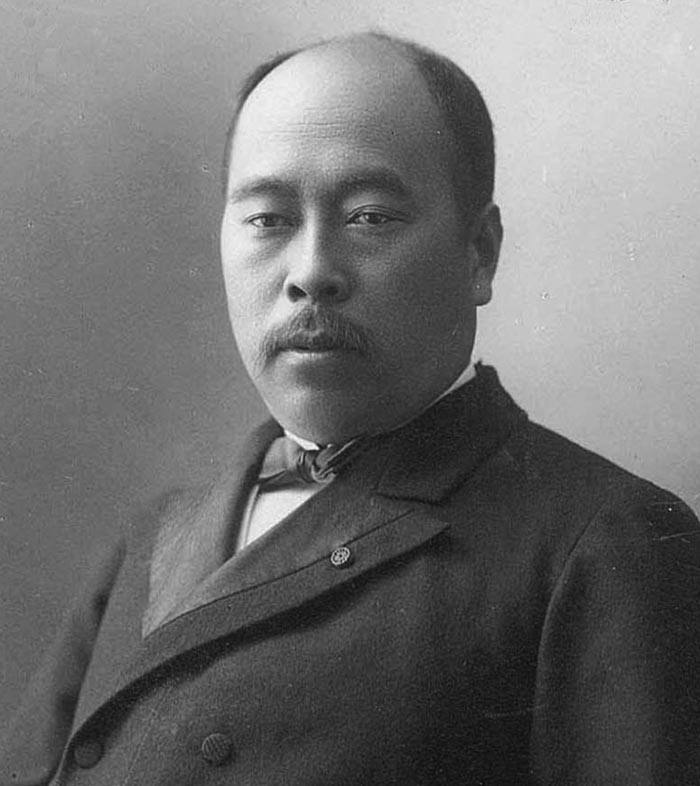 Same disease or problem1884Takaki's navy diet trial against beriberiBoth navies beat a deficiency disease by changing what sailors ate, the British with lemon juice and the Japanese with richer rations. Takaki's story shows one training ship cutting beriberi from 169 cases to 14.Read this moment
-
 Same disease or problem1912Funk's vitamine (vital amine) hypothesisLemon juice cleared scurvy from the fleet long before anyone knew why, and Funk proposed that its lack of a dietary factor caused the disease. His vitamine idea sent chemists hunting for the factors behind scurvy, beriberi, pellagra and rickets.Read this moment