Infectious Disease
1795
Gordon's treatise on puerperal fever
Alexander Gordon traced an Aberdeen epidemic of puerperal fever from woman to woman through the midwives and doctors who delivered them, himself included. His 1795 treatise urged attendants to wash and fumigate their clothes, half a century before Semmelweis.
Key people
- Alexander Gordon
- Aberdeen Dispensary physician who traced puerperal fever to birth attendants
Source
Between December 1789 and March 1792 an epidemic of puerperal fever struck women after childbirth in Aberdeen. Alexander Gordon, a farmer's son who had studied at Marischal College and been a surgeon in the Royal Navy, had been physician to the Aberdeen Dispensary since 1786. He cared for 77 of the women himself, and by his own count 28 of them died.
Gordon followed each case back to its attendant. The disease, he found, seized only women who had been visited or delivered by a practitioner, or nursed by someone, who had already attended a patient with the fever. Women in outlying villages delivered by local midwives escaped it. His case records follow single midwives carrying the infection from one woman to the next, and he became so sure of the pattern that he could foretell which women would fall ill once he knew which midwife would deliver them.
He did not spare himself. He wrote that he had carried the infection to a great number of women. In his treatise, published in London in 1795, he urged that the patient's clothes and bedding be burned or thoroughly purified, and that nurses and physicians wash themselves and have their clothes fumigated before wearing them again. His treatment was another matter. He relied on vigorous bleeding and purging, and he claimed that all who were bled recovered.
Medical colleagues, midwives and the public of Aberdeen were openly hostile to his ideas. Gordon died of tuberculosis in 1799, aged 47, shortly after ill health forced him to retire. The treatise was reprinted in Edinburgh, Philadelphia and London over the next half century. No likeness of him survives, and his memorials in Aberdeen are a small plaque on the house he lived in and a gravestone.
Keep exploring
 Read next · led to
Holmes on the contagiousness of puerperal fever (1843)
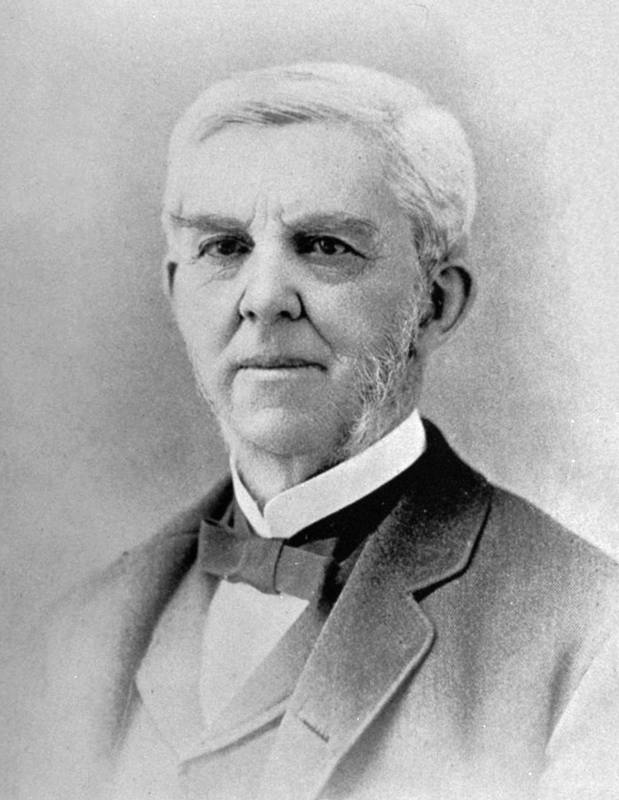
Holmes credited Alexander Gordon among the writers before him when he argued that birth attendants spread puerperal fever. His story shows the same case made in Boston in 1843, to strong resistance.
Read this moment
Read next · led to
Holmes on the contagiousness of puerperal fever (1843)
Holmes credited Alexander Gordon among the writers before him when he argued that birth attendants spread puerperal fever. His story shows the same case made in Boston in 1843, to strong resistance.
Read this moment
 Today on The Clinical Times
Love to Dream recalls portable baby sound machine over fire and burn risk
Love to Dream has recalled its portable Sleep Machine because its lithium-ion battery can overheat while charging with an incompatible charger, creating a risk of fire and burns.
Read today’s top stories
Today on The Clinical Times
Love to Dream recalls portable baby sound machine over fire and burn risk
Love to Dream has recalled its portable Sleep Machine because its lithium-ion battery can overheat while charging with an incompatible charger, creating a risk of fire and burns.
Read today’s top stories
All 526 moments in the history of medicine. This one is in chapter 3, Anatomy and observation
Connected moments
How this moment links to others in the history of medicine, and what you will find in each.
-
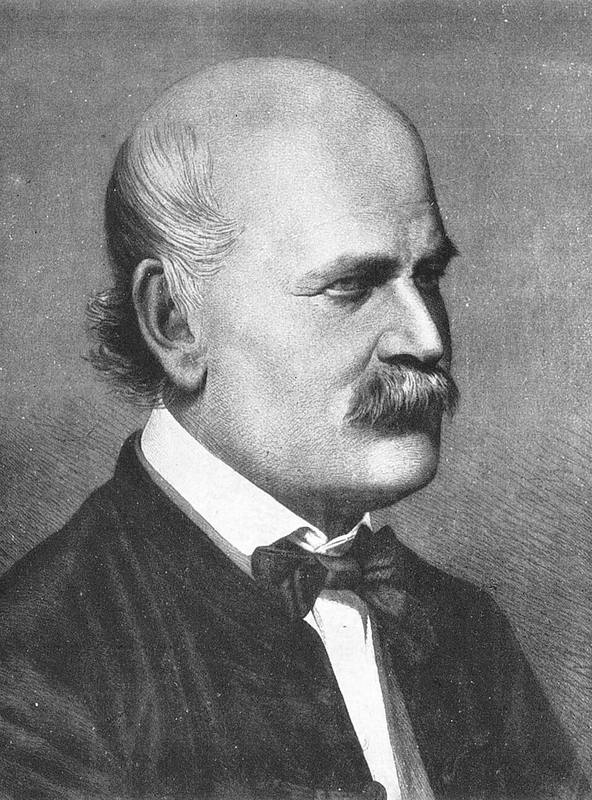 Same disease or problem1847Hand washing prevents childbed feverGordon told attendants to wash and fumigate their clothes, and half a century later Semmelweis cut childbed deaths with hand washing in chlorine. His story shows deaths on one Vienna ward falling from 18 percent to about 2.Read this moment
-
 Same disease or problemc. 1600The Chamberlen Obstetric ForcepsBoth concern births attended by men of medicine, the doctors Gordon studied and the Chamberlen man-midwives. The Chamberlen story shows forceps that could deliver a baby alive, kept secret for over a century.Read this moment