Infectious Disease
1843
Holmes on the contagiousness of puerperal fever
In 1843 Oliver Wendell Holmes showed from published case series that physicians and nurses carried puerperal fever from one woman in childbirth to the next, and set out rules to stop it. Leading Philadelphia obstetricians attacked him, and he reprinted the essay in 1855.
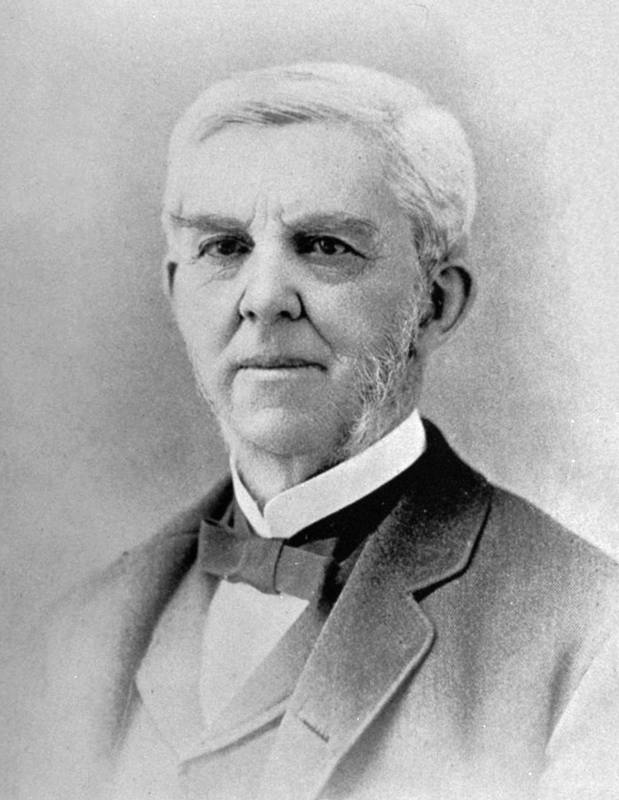
Key people
- Oliver Wendell Holmes
- Boston physician and writer who wrote the 1843 essay
- Charles Meigs
- Philadelphia obstetrician who rejected the idea of contagion
- Hugh Hodge
- Philadelphia obstetrics professor who opposed Holmes's conclusions
Source
At a meeting of the Boston Society for Medical Improvement in 1842, members heard of several fatal cases of puerperal fever, among them the death of a physician, Dr Whitney of Newton, from a wound he received during the autopsy of a woman who had died of the disease. Oliver Wendell Holmes (1809 to 1894), who had taken his Harvard MD in 1836 and taught anatomy, was not an obstetrician, but he set out to learn what the published record showed.
On 13 February 1843 he read his findings to the Society, crediting earlier British writers including Charles White, Alexander Gordon, James Blundell, Edward Rigby and Thomas Watson. He gathered series of cases in which the fever clustered around particular physicians, midwives and nurses, reported over half a century and in widely separated places. The essay was printed in the New England Quarterly Journal of Medicine and Surgery in April 1843, but that journal never had a large circulation and ceased after a year.
Holmes closed with eight rules. A physician who might attend births should take no active part in autopsies of women dead of puerperal fever; if present, he should wash thoroughly, change every article of dress and let 24 hours or more pass before attending a delivery, with similar care after cases of erysipelas. After one case in his practice he should treat his next patient in labor as at risk. After two close together, he would do well to give up obstetric practice for at least a month, and three or more connected cases were prima facie evidence that he carried the contagion. The time had come, he wrote, when a private pestilence around a single physician should be looked on not as a misfortune but as a crime.
Two leading Philadelphia obstetricians, Charles Meigs and Hugh Hodge, attacked the idea; in 1852 Hodge urged his students to put aside any dread that they could carry such a poison to women in childbirth. Holmes answered in 1855 by reprinting the essay unaltered as Puerperal Fever as a Private Pestilence. In a later preface to his collected Medical Essays he wrote that the case had long since been decided in favor of his views.
Keep exploring
 Read next · same disease or problem
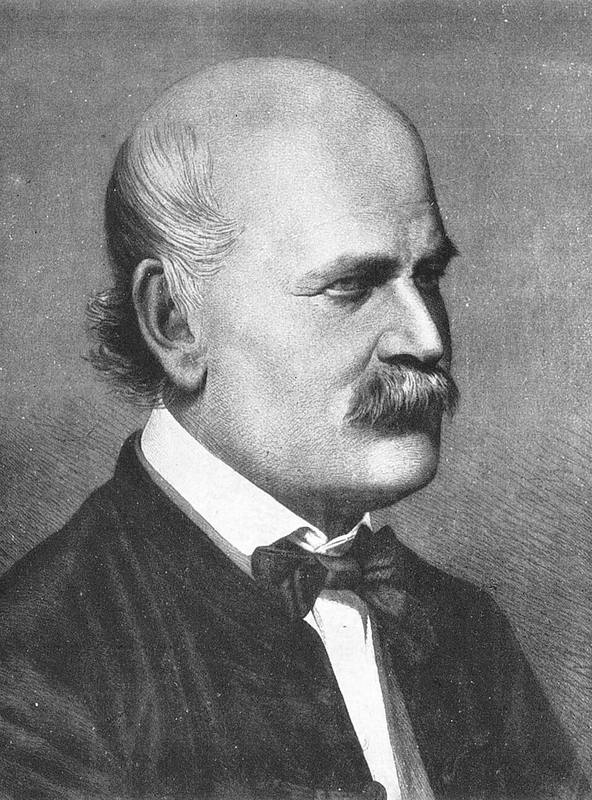
Hand washing prevents childbed fever (1847)
Holmes told attendants to wash and change their clothes, and four years later Semmelweis proved hand washing cut childbed deaths. His story shows one Vienna ward's death rate falling from 18 percent to about 2.
Read this moment
Read next · same disease or problem
Hand washing prevents childbed fever (1847)
Holmes told attendants to wash and change their clothes, and four years later Semmelweis proved hand washing cut childbed deaths. His story shows one Vienna ward's death rate falling from 18 percent to about 2.
Read this moment
 Today on The Clinical Times
Love to Dream recalls portable baby sound machine over fire and burn risk
Love to Dream has recalled its portable Sleep Machine because its lithium-ion battery can overheat while charging with an incompatible charger, creating a risk of fire and burns.
Read today’s top stories
Today on The Clinical Times
Love to Dream recalls portable baby sound machine over fire and burn risk
Love to Dream has recalled its portable Sleep Machine because its lithium-ion battery can overheat while charging with an incompatible charger, creating a risk of fire and burns.
Read today’s top stories
All 526 moments in the history of medicine. This one is in chapter 4, Germs, numbers and clean water
Connected moments
How this moment links to others in the history of medicine, and what you will find in each.
- Built on1795Gordon's treatise on puerperal feverHolmes credited Alexander Gordon among the earlier writers who had seen puerperal fever pass from woman to woman. Gordon's story shows the Aberdeen doctor who admitted he had carried the infection himself.Read this moment
-
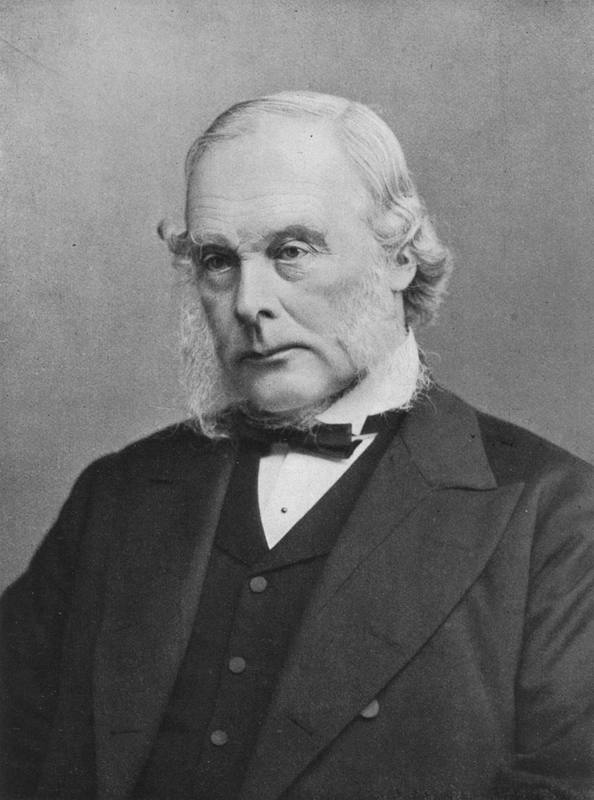 Same disease or problem1867Lister's antiseptic surgeryHolmes told doctors to wash and change their clothes so they would not carry infection, and Lister later attacked wound infection with carbolic acid. Lister's story shows deaths after amputation falling from about 45 percent to 15 percent.Read this moment