Epidemiology
1846
Panum's study of measles in the Faroe Islands
Sent to the Faroe Islands during the 1846 measles epidemic, Peter Panum traced the disease village by village, found that the rash appeared about 14 days after exposure, and showed that people who had had measles in 1781 were still immune.
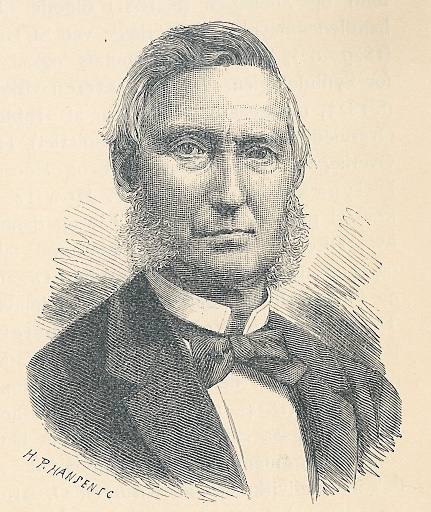
Key people
- Peter Ludwig Panum
- Danish physician who investigated the 1846 Faroe measles epidemic
Source
The first measles cases appeared in Tórshavn on 4 or 5 April 1846, the first outbreak in the Faroe Islands since 1781. By mid-September about 6,000 of the 7,782 islanders had been ill, and at least 102 had died of measles or its sequelae. The Danish government sent Peter Ludwig Panum, born on Bornholm in 1820 and newly qualified in Copenhagen, to investigate and control it.
The islands suited the work. Fjords separated the villages, and their limited contact with one another let Panum work out, in most cases, where and when the first person to fall ill had been exposed. He spent five months there, treated about 1,000 patients and studied 52 villages. In each he found the first case and counted the days to the next ones. He concluded that the infection gave no symptoms for 10 to 12 days and that the rash appeared on the 14th day after exposure. Ten men whose only shared contact had been a whale drive all broke out in the rash on the 14th day after it.
At Fuglefjord, on Østerø, a farmer's daughter had just recovered. Panum asked the day her rash had appeared, pointed in the almanac to the 14th day after it, and told the family to mark the date. Called back ten days later, he learned that the rash had appeared that day on all nine others in the house.
He also asked who had escaped. Of the many old people who had had measles in 1781, he could find none who caught it again, and he saw 98 of them himself. Among some 6,000 cases, about 1,000 of which he treated himself, he found none where a miasmatic origin could be supposed; the disease passed from person to person and from village to village, by contact or on clothing. Fifteen places kept measles out entirely by cutting off contact with infected villages. His report appeared in the Danish journal Bibliothek for Laeger in 1847.
Keep exploring
 Read next · same disease or problem
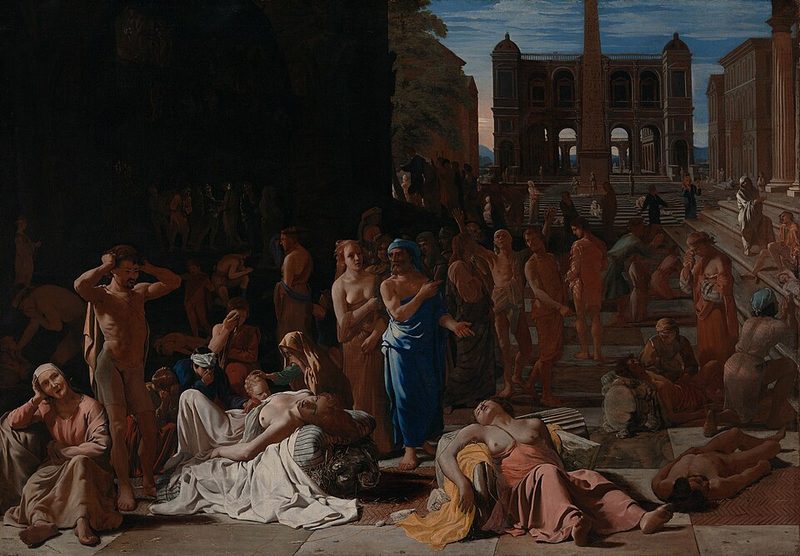
The Plague of Athens (430 BCE)
Panum found that no one who had measles in 1781 caught it again, echoing Thucydides, who saw that survivors of the Athenian plague were not struck again. The Athens story shows that first recorded observation of immunity.
Read this moment
Read next · same disease or problem
The Plague of Athens (430 BCE)
Panum found that no one who had measles in 1781 caught it again, echoing Thucydides, who saw that survivors of the Athenian plague were not struck again. The Athens story shows that first recorded observation of immunity.
Read this moment
 Today on The Clinical Times
Love to Dream recalls portable baby sound machine over fire and burn risk
Love to Dream has recalled its portable Sleep Machine because its lithium-ion battery can overheat while charging with an incompatible charger, creating a risk of fire and burns.
Read today’s top stories
Today on The Clinical Times
Love to Dream recalls portable baby sound machine over fire and burn risk
Love to Dream has recalled its portable Sleep Machine because its lithium-ion battery can overheat while charging with an incompatible charger, creating a risk of fire and burns.
Read today’s top stories
All 526 moments in the history of medicine. This one is in chapter 4, Germs, numbers and clean water
Connected moments
How this moment links to others in the history of medicine, and what you will find in each.
-
 Same disease or problem1963Edmonston-B measles vaccinePanum showed that measles gives lasting immunity, and the 1963 vaccine gave that immunity without the disease. Its story shows American measles cases falling by more than 95 percent after licensure.Read this moment
- Same disease or problem2025Loss of measles elimination status in the AmericasPanum traced measles spreading through islanders with no immunity, and in 2025 the Americas lost their measles free status. That story shows 12,596 confirmed cases in a single year when transmission was allowed to continue.Read this moment
-
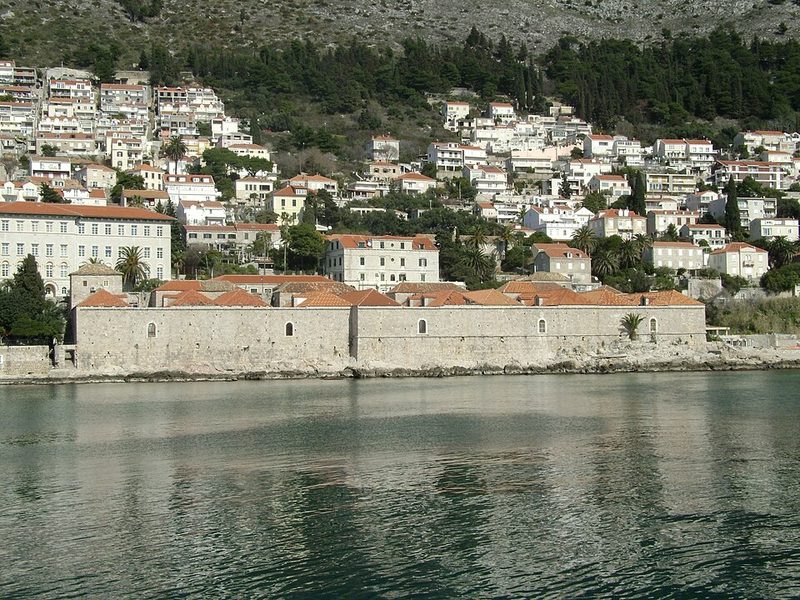 Same disease or problem1377The Ragusa quarantine decreeFifteen Faroese places kept measles out by cutting off contact with infected villages, the same principle as Ragusa's quarantine. The Ragusa story shows arrivals from plague areas held in isolation for 30 days before entering.Read this moment