Infectious Disease
1963
Edmonston-B measles vaccine
In 1963 the United States licensed a live measles vaccine that John Enders' team made from the Edmonston-B strain, along with an inactivated vaccine. Measles then infected an estimated 3 to 4 million Americans a year; after licensure, incidence fell by more than 95 percent.
Key people
- John F. Enders
- Led the team that isolated measles virus and made the Edmonston-B vaccine
- Thomas C. Peebles
- Collected the 1954 Boston outbreak blood samples with Enders
- Maurice Hilleman
- Developed the further weakened Edmonston-Enders strain, distributed from 1968
Source
Nearly every American child had measles by the age of 15. An estimated 3 to 4 million people in the United States were infected each year, and about 500,000 cases were reported annually. Among reported cases, an estimated 400 to 500 people died each year, 48,000 were hospitalized and 1,000 developed encephalitis. When measles first became a nationally notifiable disease in 1912, deaths in the first decade of reporting averaged 6,000 a year.
In 1954 John F. Enders and Thomas C. Peebles collected blood from sick students during a measles outbreak in Boston, hoping to isolate the virus and make a vaccine. They isolated it from the blood of 13-year-old David Edmonston. Enders and his colleagues turned the Edmonston-B strain into a live, weakened vaccine, and in 1963 it was licensed in the United States together with an inactivated, or killed, vaccine.
Neither 1963 product lasted. The inactivated vaccine protected poorly and was withdrawn in 1967, and the Edmonston-B vaccine caused fever and rash in a fairly high share of recipients and was withdrawn in 1975. A further weakened Schwarz strain vaccine appeared in 1965 but is no longer used in the country. From 1968 a still weaker vaccine developed by Maurice Hilleman and colleagues, the Edmonston-Enders strain, formerly called Moraten, was distributed, and it has been the only measles vaccine used in the United States since then. A combined measles, mumps and rubella vaccine was licensed in 1971.
After licensure, measles incidence fell by more than 95 percent. In 1978 CDC set a goal of eliminating the disease by 1982; the target was missed, and measles in vaccinated schoolchildren during the 1980s led to a recommendation for a second dose. Measles was declared eliminated from the United States in 2000, meaning it had not spread continuously in the country for more than 12 months.
Keep exploring
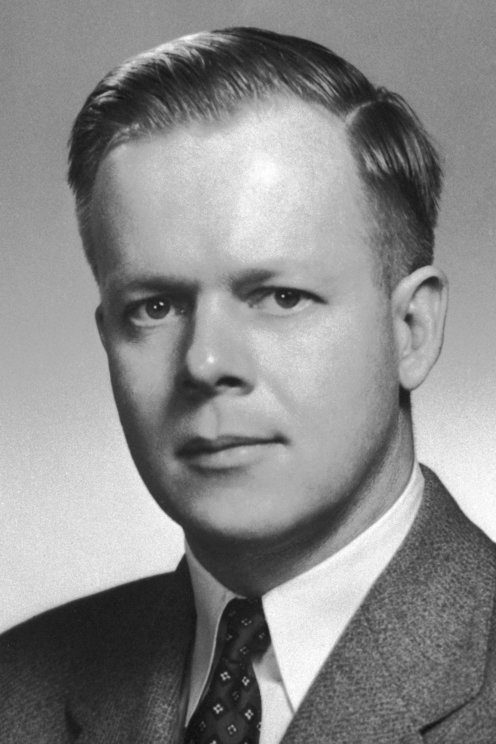 Read next · same person
Growing poliovirus in tissue culture (1949)
John Enders, whose team grew poliovirus in tissue culture, isolated measles virus and made this vaccine. The polio entry shows the culture method that let viruses be grown with far fewer monkeys.
Read this moment
Read next · same person
Growing poliovirus in tissue culture (1949)
John Enders, whose team grew poliovirus in tissue culture, isolated measles virus and made this vaccine. The polio entry shows the culture method that let viruses be grown with far fewer monkeys.
Read this moment
 Today on The Clinical Times
Love to Dream recalls portable baby sound machine over fire and burn risk
Love to Dream has recalled its portable Sleep Machine because its lithium-ion battery can overheat while charging with an incompatible charger, creating a risk of fire and burns.
Read today’s top stories
Today on The Clinical Times
Love to Dream recalls portable baby sound machine over fire and burn risk
Love to Dream has recalled its portable Sleep Machine because its lithium-ion battery can overheat while charging with an incompatible charger, creating a risk of fire and burns.
Read today’s top stories
All 526 moments in the history of medicine. This one is in chapter 6, Trials, scanners and rights
Connected moments
How this moment links to others in the history of medicine, and what you will find in each.
-
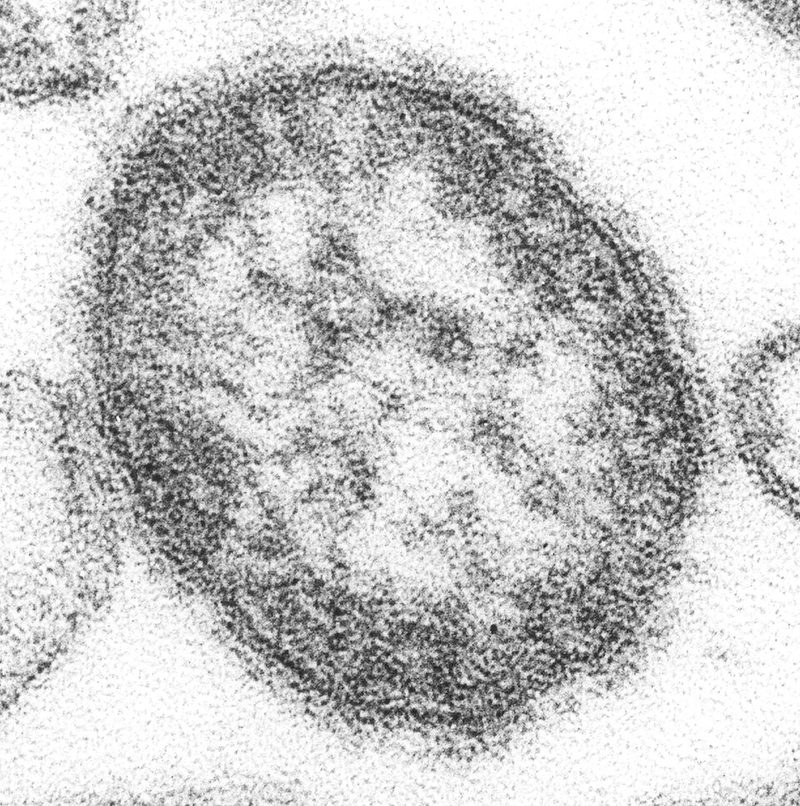 Led to2000Elimination of endemic measles in the United StatesAfter licensure measles fell by more than 95 percent, and later doses finished the job. The elimination entry shows how two dose MMR vaccination stopped continuous spread in the United States by 2000.Read this moment
-
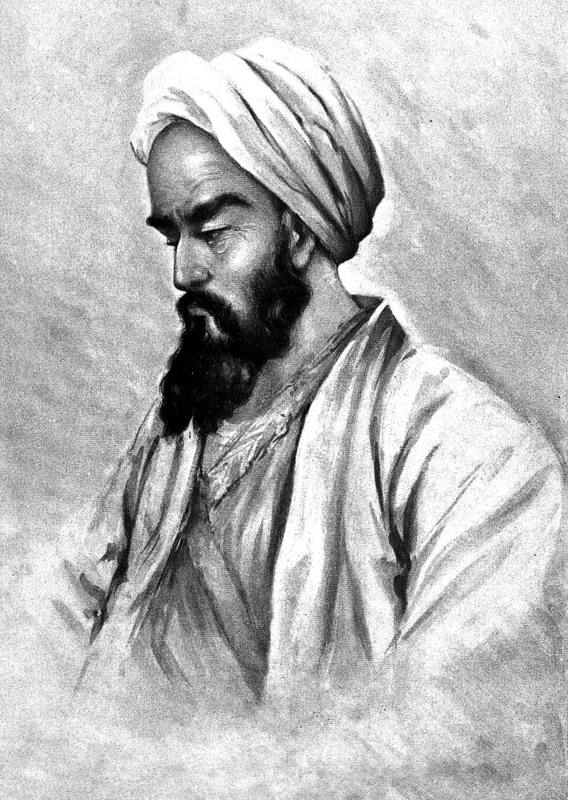 Same disease or problemc. 900 CEAl-Razi's treatise on smallpox and measlesMore than a thousand years before the vaccine, al-Razi described measles as a disease of its own. His treatise shows how he told measles apart from smallpox by its signs.Read this moment
-
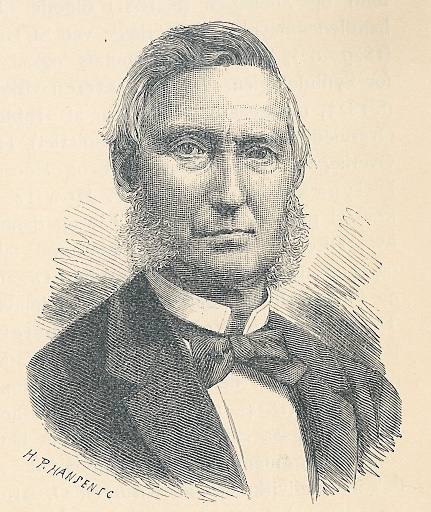 Same disease or problem1846Panum's study of measles in the Faroe IslandsBoth concern measles, which Panum studied a century before any vaccine. His entry follows the 1846 Faroe epidemic village by village and shows that people who had measles in 1781 were still immune.Read this moment