Public Health
1963
Guthrie's blood-spot test for phenylketonuria
Robert Guthrie's test for phenylalanine in a dried spot of blood made it practical to screen whole populations of newborns for phenylketonuria, which early dietary treatment can keep from causing intellectual disability. By 2012 more than 98 percent of US newborns were screened.
Key people
- Robert Guthrie
- American scientist who developed the dried blood-spot screening test
- Asbjørn Følling
- Norwegian physician who described phenylketonuria in 1934
- Horst Bickel
- German doctor who reported dietary treatment of phenylketonuria
Source
In 1934 Asbjørn Følling, a professor of nutrition research in Oslo who had trained in chemistry before studying medicine, examined two siblings with intellectual disability. When he tested their urine with ferric chloride he got a green color instead of the expected purple. He identified the substance as phenylpyruvic acid and concluded that it came from phenylalanine in the diet. In Britain, Penrose and Quastel renamed the condition phenylketonuria.
In 1953 Horst Bickel and colleagues in Birmingham reported that a diet low in phenylalanine had brought a dramatic improvement in a girl's behavior. Treatment raised the idea of testing all newborns, which pediatricians at first resisted, L. I. Woolf recalled in 2020. Screening began with urine. From about 1961 Dr. Gibbs, senior medical officer at the public health department in Cardiff, ran the first large-scale British program, first with Phenistix strips on diapers and then with dried, urine-soaked filter paper.
Robert Guthrie, an American scientist, proposed a newborn screening test in 1961. His micro-bacteriological method measured phenylalanine in a spot of blood dried on filter paper, and in September 1963 he and A. Susi described it in Pediatrics as a simple method for detecting phenylketonuria in large populations of newborn infants. The blood spot proved better than urine, largely because the public health nurse collecting it did not have to wait for the baby to pass urine, and it was more reliable. The test spread quickly through industrialized countries; France proposed extending it to all newborns in 1970.
Newborn screening in the United States began in the 1960s and became a state-based public health system. In 2012 CDC reported that more than 98 percent of about 4 million newborns were screened each year and that about 12,500 a year were diagnosed with one of 29 core conditions. Growth beyond the early tests was slow until multiplex testing by tandem mass spectrometry arrived in the early 2000s.
Keep exploring
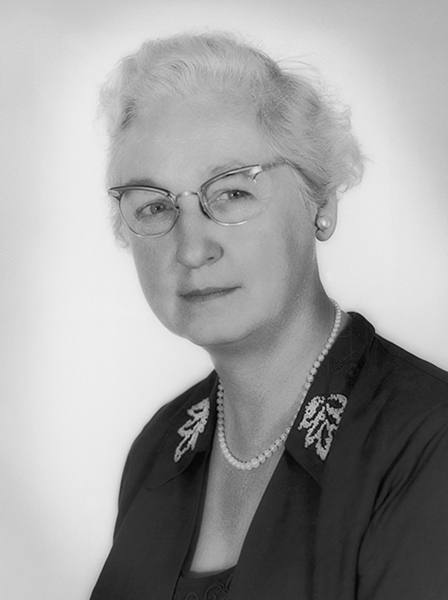 Read next · same disease or problem
Apgar Score for newborn assessment (1953)
Both gave every newborn a routine check in the first days of life. The Apgar entry shows how scoring five signs at one minute told delivery rooms which babies needed resuscitation.
Read this moment
Read next · same disease or problem
Apgar Score for newborn assessment (1953)
Both gave every newborn a routine check in the first days of life. The Apgar entry shows how scoring five signs at one minute told delivery rooms which babies needed resuscitation.
Read this moment
 Today on The Clinical Times
Love to Dream recalls portable baby sound machine over fire and burn risk
Love to Dream has recalled its portable Sleep Machine because its lithium-ion battery can overheat while charging with an incompatible charger, creating a risk of fire and burns.
Read today’s top stories
Today on The Clinical Times
Love to Dream recalls portable baby sound machine over fire and burn risk
Love to Dream has recalled its portable Sleep Machine because its lithium-ion battery can overheat while charging with an incompatible charger, creating a risk of fire and burns.
Read today’s top stories
All 526 moments in the history of medicine. This one is in chapter 6, Trials, scanners and rights
Connected moments
How this moment links to others in the history of medicine, and what you will find in each.
-
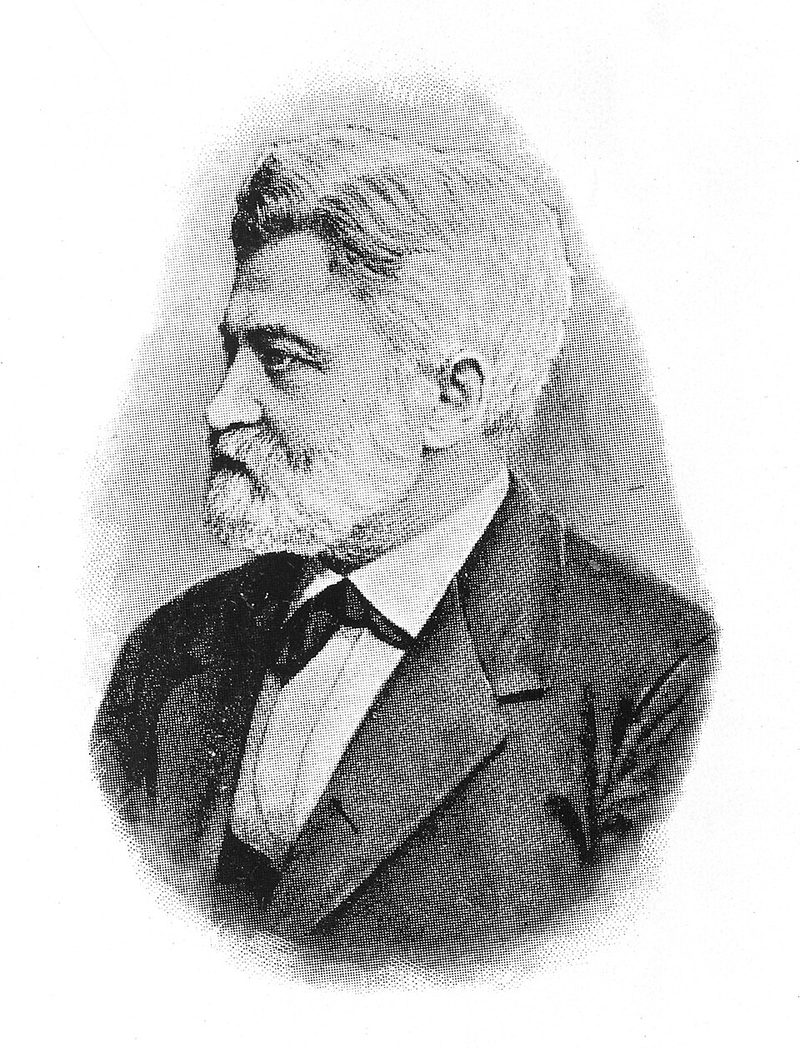 Same disease or problem1881Credé's silver nitrate drops for newbornsBoth applied one simple measure to every newborn to prevent lifelong harm. Credé's entry shows how drops in every baby's eyes cut newborn eye infection from one in ten to almost none.Read this moment
-
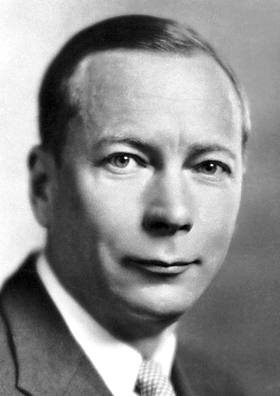 Same disease or problem1929Dam and the discovery of vitamin KLike the PKU test, vitamin K given at birth became a routine protection for all newborns. Dam's entry shows how bleeding chicks led him to the vitamin that prevents newborn bleeding.Read this moment