Critical & Organ Care
1963
Starzl and the first liver transplants
Thomas Starzl attempted the first human liver transplant in Denver in March 1963. Every early patient died, but a child given a liver in July 1967 lived more than a year, and by 1983 the operation was judged a clinical service.

Key people
- Thomas E. Starzl
- Surgeon who performed the first human liver transplants in Denver
- Roy Calne
- Cambridge surgeon who opened the second liver program in 1968
Source
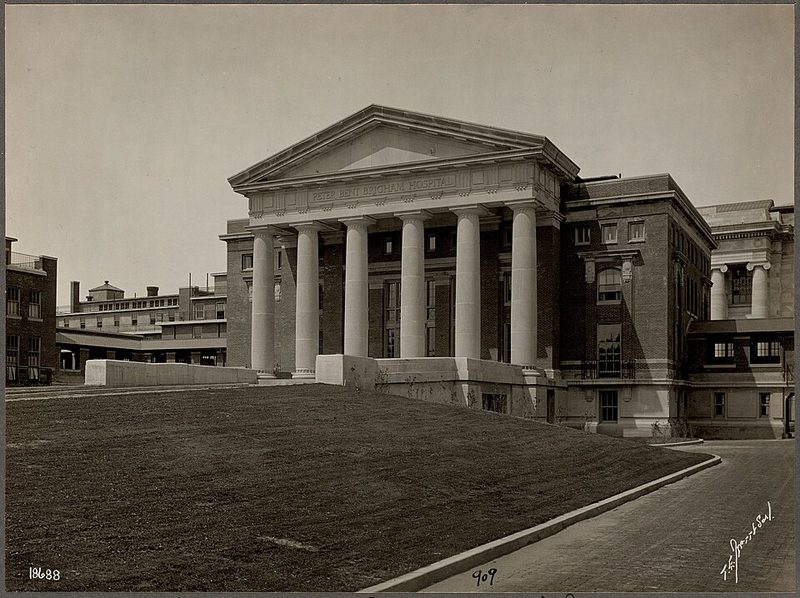
In the late 1950s Thomas Starzl, then at Northwestern University in Chicago, worked out ways to replace the liver in dogs, and in 1958 the animals began to survive the operation. He and Francis Moore at the Peter Bent Brigham Hospital in Boston solved many of the same problems independently. Starzl cooled donor livers by flushing them with chilled solutions, now a universal practice. At the University of Colorado in Denver he ran a kidney transplant program, giving azathioprine before surgery and adding prednisone, and he planned to use the same two drugs for the liver.
On 1 March 1963 he attempted the first human liver replacement, in a 3-year-old child with biliary atresia. The child bled to death during the operation. Four more Denver patients died over the next seven months, the longest after 23 days, and attempts in Boston in September 1963 and Paris in January 1964 also failed. Clinical trials stopped. The livers recovered at autopsy showed no signs of rejection; bacterial infections, partly caused by bypass tubing that had been essential in dogs, had killed most of the patients.
Starzl improved the operation in many ways and added antilymphocyte globulin to his drug regimen. Two more attempts, in October 1966 and May 1967, also failed. On 23 July 1967 a girl aged one and a half, treated for a liver cancer, received a new liver and lived more than 13 months before dying of metastases. On 2 May 1968 Roy Calne at Cambridge and R. Williams of King's College in London treated the first patient of a second program.
Survival stayed poor for a decade. In Starzl's three consecutive series before cyclosporin, one-year survival was 28.8, 50 and 34.5 percent. Calne brought cyclosporin A into clinical use in the late 1970s, and Starzl showed that its kidney toxicity could be reduced by combining it with prednisone. In 1983 a US consensus conference concluded that liver transplantation had moved past experimental status into a clinical service. In 2009 almost 50,000 Americans were living with a transplanted liver. Calne and Starzl shared the 2012 Lasker clinical award.
Keep exploring
 Read next · built on
First Successful Kidney Transplant (1954)
Starzl carried the drugs of his kidney transplant program to the liver, a field the 1954 twins' operation had opened. The kidney entry shows the first organ graft with lasting function and the drugs that followed.
Read this moment
Read next · built on
First Successful Kidney Transplant (1954)
Starzl carried the drugs of his kidney transplant program to the liver, a field the 1954 twins' operation had opened. The kidney entry shows the first organ graft with lasting function and the drugs that followed.
Read this moment
 Today on The Clinical Times
Love to Dream recalls portable baby sound machine over fire and burn risk
Love to Dream has recalled its portable Sleep Machine because its lithium-ion battery can overheat while charging with an incompatible charger, creating a risk of fire and burns.
Read today’s top stories
Today on The Clinical Times
Love to Dream recalls portable baby sound machine over fire and burn risk
Love to Dream has recalled its portable Sleep Machine because its lithium-ion battery can overheat while charging with an incompatible charger, creating a risk of fire and burns.
Read today’s top stories
All 526 moments in the history of medicine. This one is in chapter 6, Trials, scanners and rights
Connected moments
How this moment links to others in the history of medicine, and what you will find in each.
-
 Same person1978Ciclosporin in solid-organ transplantation (Calne)Roy Calne brought in cyclosporin, and Starzl showed it worked better with prednisone. The ciclosporin entry shows one-year liver transplant survival rising from 25 to 75 percent by 1982.Read this moment
-
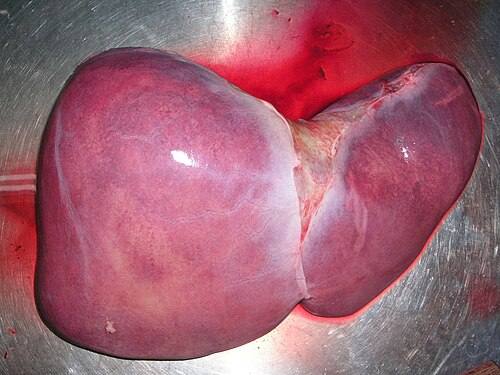 Led to1989First Successful Living-Donor Liver TransplantStarzl's first liver transplant in 1963 began the path to transplanting part of a living donor's liver. The Brisbane entry shows a mother giving part of her liver to her infant son, and both surviving.Read this moment