Foundational Discovery
1929
Dam and the discovery of vitamin K
Henrik Dam's cholesterol-starved chicks in Copenhagen began to bleed in 1929, which led him to a new fat-soluble vitamin he named K in 1935. Vitamin K made surgery safer in jaundiced patients and, given at birth, prevents bleeding in newborns.
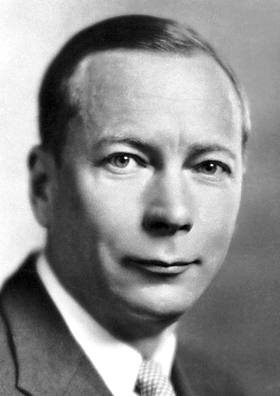
Key people
- Henrik Dam
- Copenhagen biochemist who discovered vitamin K; Nobel laureate 1943
- Edward A. Doisy
- St. Louis biochemist who purified, identified and synthesized vitamin K
Source
Henrik Dam was studying cholesterol, not bleeding. At the Biochemical Institute of the University of Copenhagen he reared newly hatched chicks on artificial diets with the sterols extracted, adding vitamins A and D, to learn whether birds could make their own cholesterol. They could. But some chicks kept on the diet for more than two or three weeks developed hemorrhages under the skin and in muscles and other organs, and their blood was slow to clot.
Extra cholesterol and lemon juice did not stop it. A Canadian group at the Ontario Agricultural College described it in 1931 and went no further, and Holst and Halbrook in California, finding that fresh cabbage prevented it, blamed a lack of vitamin C. Once pure vitamin C was available, Dam showed that injections of it failed. In 1934 he announced that the disease came from a missing, unrecognized dietary factor. Testing then showed green leaves and hog liver to be among the richest sources. In 1935 he called it vitamin K: K was the first unused letter of the alphabet and the first letter of koagulation in Scandinavian and German spelling. Almquist and Stokstad at Berkeley soon confirmed it.
The missing clotting protein in deficient chicks turned out to be prothrombin. In 1939 Edward Doisy's group in St. Louis isolated two pure forms, K1 from lucerne seed and K2 from fish meal, showed that vitamin K was a naphthoquinone, and synthesized it.
The first human disease traced to a lack of vitamin K was the bleeding of obstructive jaundice. Without bile the vitamin is poorly absorbed, and the bleeding had made operations for gallstones or tumors dangerous. Three groups, including Dam's, reached this independently early in 1938, and a dose before surgery removed the risk unless the liver itself was badly damaged. Waddell and co-workers at the University of Virginia hospital found that newborns regularly have low prothrombin in the first week of life, correctable with vitamin K. Dam put visible bleeding at about 1 percent of newborns, from the umbilicus, gut, skin or brain.
Dam and Doisy shared the 1943 Nobel Prize in Physiology or Medicine; Dam was then at the University of Rochester, after a 1940 to 1941 lecture tour of Canada and the United States planned before Germany occupied Denmark in April 1940. Since 1961 the American Academy of Pediatrics has recommended one vitamin K injection at birth. Infants who do not receive it are estimated to be 81 times more likely to develop late vitamin K deficiency bleeding.
Keep exploring
 Read next · same disease or problem
Warfarin introduced for clinical anticoagulation (1954)
Dam found the vitamin that blood needs to clot, and warfarin works by blocking it. The warfarin story shows a rat poison turned into the standard oral blood thinner for more than five decades.
Read this moment
Read next · same disease or problem
Warfarin introduced for clinical anticoagulation (1954)
Dam found the vitamin that blood needs to clot, and warfarin works by blocking it. The warfarin story shows a rat poison turned into the standard oral blood thinner for more than five decades.
Read this moment
 Today on The Clinical Times
Love to Dream recalls portable baby sound machine over fire and burn risk
Love to Dream has recalled its portable Sleep Machine because its lithium-ion battery can overheat while charging with an incompatible charger, creating a risk of fire and burns.
Read today’s top stories
Today on The Clinical Times
Love to Dream recalls portable baby sound machine over fire and burn risk
Love to Dream has recalled its portable Sleep Machine because its lithium-ion battery can overheat while charging with an incompatible charger, creating a risk of fire and burns.
Read today’s top stories
All 526 moments in the history of medicine. This one is in chapter 5, Cures and codes
Connected moments
How this moment links to others in the history of medicine, and what you will find in each.
-
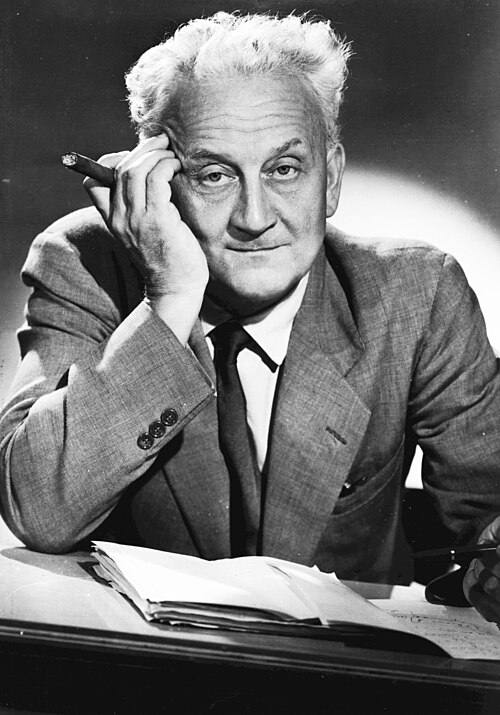 Same disease or problem1932Identification of vitamin C as the antiscorbutic factorDam showed that vitamin C did not cure his chicks' bleeding, so a new vitamin was needed. The vitamin C story shows the antiscorbutic factor identified as ascorbic acid in 1932.Read this moment
-
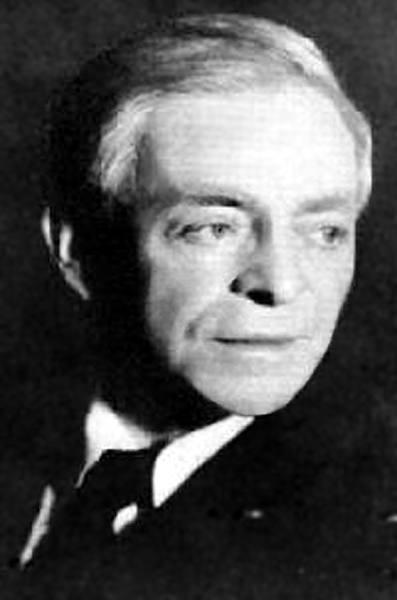 Same disease or problem1912Funk's vitamine (vital amine) hypothesisDam's vitamin K was one of the lettered vitamins isolated after Funk proposed that each deficiency disease had its own factor. Funk's story shows where the word vitamine came from.Read this moment