Neurology & Psychiatry
1963
Community Mental Health Centers Act
Signed by President Kennedy in 1963, the act offered federal money for community mental health centers as an alternative to large state hospitals. State hospital inpatients later fell from over half a million in 1950 to about 30,000 by the early 1990s.
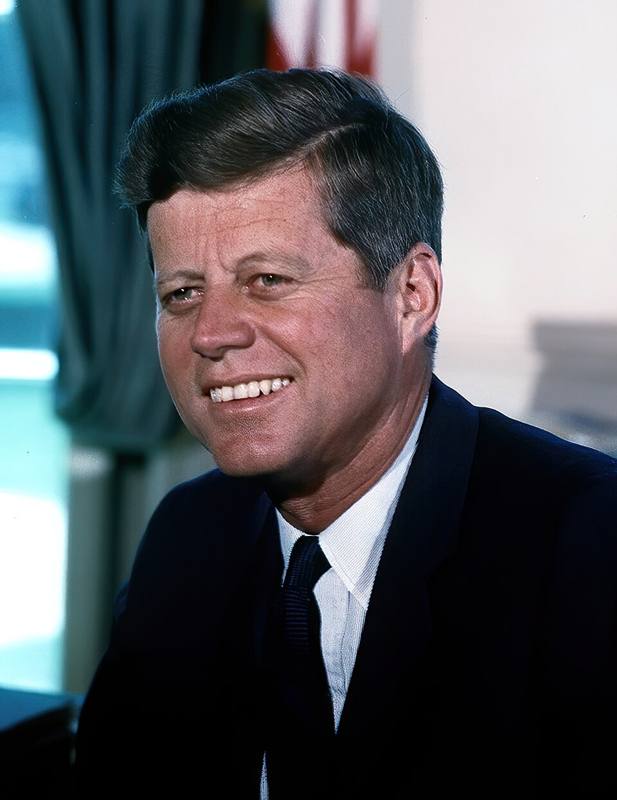
Key people
- John F. Kennedy
- President who signed the act in 1963
Source
St. Elizabeths Hospital in Washington, a federally funded mental hospital, reached its peak population of 7,529 patients in 1955, one of the largest in the country. In the 1950s mental health advocates and changes within psychiatry led the American Psychiatric Association and the National Institute of Mental Health to call for alternatives to such institutions, among them outpatient clinics and community mental health centers. Chlorpromazine, sold as Largactil, made it seem far more plausible that patients once thought to need lifelong hospitalization could be treated as outpatients.
Congress took up the idea in S. 1576, the Mental Retardation Facilities and Community Mental Health Centers Construction Act, and the House Committee on Interstate and Foreign Commerce reported the bill in 1963. President John F. Kennedy signed it that year, and the photographer Abbie Rowe recorded the ceremony. The law provided federal money for community mental health centers, including crisis care. Kennedy expected each state to build its own facilities according to geography, local needs for inpatient and outpatient care and the staff it could deploy, with almost no federal oversight.
The act arrived alongside other pressures on the asylums: the cost of lifelong hospitalization, a civil rights movement that pressed for more humane psychiatric care, and the creation of Medicare and Medicaid. Together they led to the closure of many psychiatric hospitals and began the era of deinstitutionalization. State hospitals across the country shut down, and the number of inpatients fell from over half a million in 1950 to about 30,000 by the early 1990s. A 2024 policy analysis in Frontiers in Public Health notes that most communities never received the federal funds the act promised for crisis care.
Keep exploring
 Read next · built on
Chlorpromazine in psychosis (Delay & Deniker) (1952)
Chlorpromazine made it plausible that patients once kept for life in hospital could be treated as outpatients. The chlorpromazine entry shows the 1952 trial that eased delusions and agitation without heavy sedation.
Read this moment
Read next · built on
Chlorpromazine in psychosis (Delay & Deniker) (1952)
Chlorpromazine made it plausible that patients once kept for life in hospital could be treated as outpatients. The chlorpromazine entry shows the 1952 trial that eased delusions and agitation without heavy sedation.
Read this moment
 Today on The Clinical Times
Love to Dream recalls portable baby sound machine over fire and burn risk
Love to Dream has recalled its portable Sleep Machine because its lithium-ion battery can overheat while charging with an incompatible charger, creating a risk of fire and burns.
Read today’s top stories
Today on The Clinical Times
Love to Dream recalls portable baby sound machine over fire and burn risk
Love to Dream has recalled its portable Sleep Machine because its lithium-ion battery can overheat while charging with an incompatible charger, creating a risk of fire and burns.
Read today’s top stories
All 526 moments in the history of medicine. This one is in chapter 6, Trials, scanners and rights
Connected moments
How this moment links to others in the history of medicine, and what you will find in each.
-
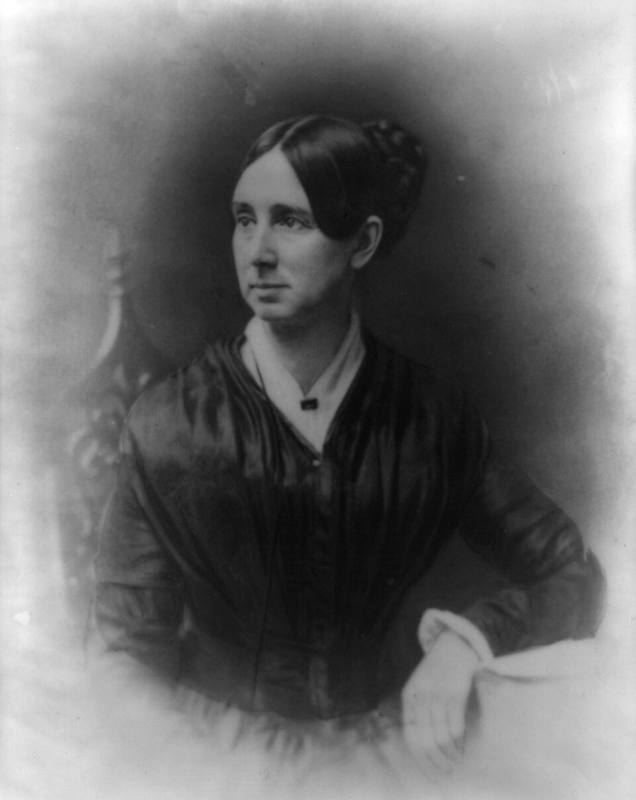 Same disease or problem1843Dorothea Dix's Memorial to the Massachusetts legislatureDix pushed a state to build asylums for mentally ill people, and this act helped close them 120 years later. Her memorial shows people caged and chained in jails and almshouses before state hospitals existed.Read this moment
- Same disease or problem2022The 988 Suicide and Crisis LifelineThe 1963 act promised community crisis care that most places never received. The 988 entry shows a later answer, a three digit number routing calls and texts to about 200 local crisis centers.Read this moment