Public Health
2000
Elimination of endemic measles in the United States
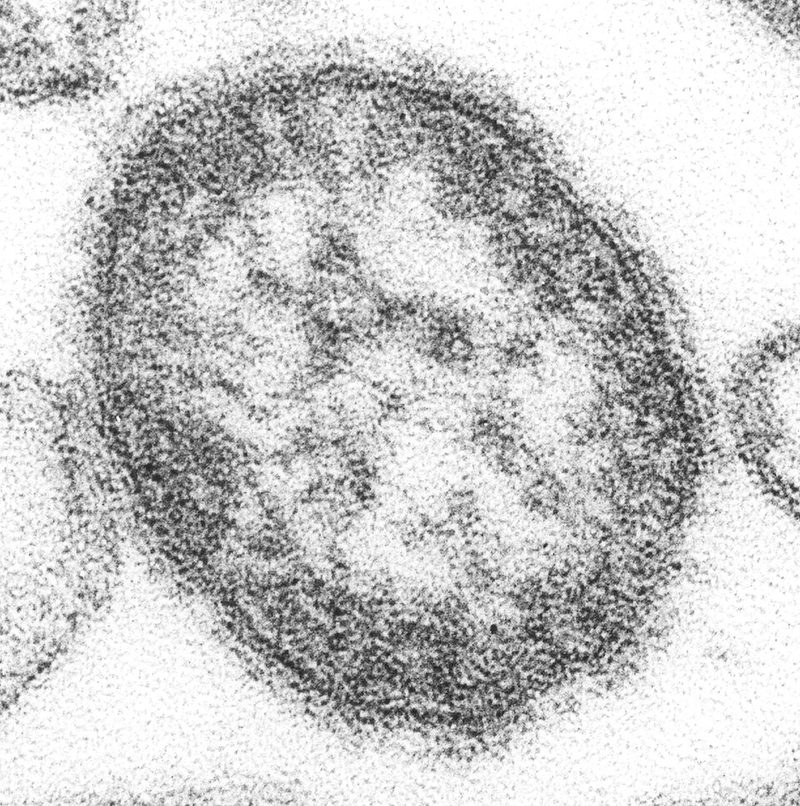
In 2000 measles was declared eliminated from the United States, meaning no continuous spread within the country for more than 12 months. Only 86 cases were reported that year, most linked to importations, a result credited to two-dose MMR vaccination.
Key people
- Adria D. Mathis
- Lead author of a 2022 review of US measles elimination
Source
In the first decade of national reporting, an average of 6,000 measles deaths were reported in the United States each year. In the decade before a vaccine arrived in 1963, measles still infected an estimated 3 to 4 million people in the United States each year, sent about 48,000 to hospital and killed 400 to 500. Vaccination cut those numbers, but one dose did not end outbreaks. In 1989 measles spread among vaccinated school-age children, and a second dose of measles, mumps and rubella (MMR) vaccine was recommended.
By 2000 first-dose coverage among preschool children had been above 90 percent for four years, and by 2002, 49 states required two doses for school-aged children. That year the country recorded 86 confirmed cases. Twenty-six had been imported from abroad, and importation-associated cases made up 62 percent of the total. CDC wrote that the consistently small number of cases with no known source suggested measles was no longer endemic in the United States, and elimination was declared in 2000.
Elimination has a narrow meaning: the absence of endemic transmission for more than 12 months in a defined area where surveillance works well. Imported cases still occur, and the status has to be kept. Two prolonged outbreaks in undervaccinated communities in New York in 2018 and 2019 threatened it, and more than 1,200 cases were reported in 2019, the most since 1992. Reviewing 20 years of data in 2022, Adria Mathis and colleagues concluded that epidemiological and laboratory evidence supported continued elimination, which they credited to high coverage with two doses of MMR vaccine.
Keep exploring
 Read next · built on
Edmonston-B measles vaccine (1963)
Elimination rested on the vaccines that began with Edmonston-B in 1963, later given in two doses. The Edmonston entry shows 3 to 4 million yearly American infections before the vaccine.
Read this moment
Read next · built on
Edmonston-B measles vaccine (1963)
Elimination rested on the vaccines that began with Edmonston-B in 1963, later given in two doses. The Edmonston entry shows 3 to 4 million yearly American infections before the vaccine.
Read this moment
 Today on The Clinical Times
Love to Dream recalls portable baby sound machine over fire and burn risk
Love to Dream has recalled its portable Sleep Machine because its lithium-ion battery can overheat while charging with an incompatible charger, creating a risk of fire and burns.
Read today’s top stories
Today on The Clinical Times
Love to Dream recalls portable baby sound machine over fire and burn risk
Love to Dream has recalled its portable Sleep Machine because its lithium-ion battery can overheat while charging with an incompatible charger, creating a risk of fire and burns.
Read today’s top stories
All 526 moments in the history of medicine. This one is in chapter 7, Genes and pandemics
Connected moments
How this moment links to others in the history of medicine, and what you will find in each.
- Same disease or problem2025Loss of measles elimination status in the AmericasElimination has to be kept, and in 2025 the Americas lost it when transmission in Canada lasted a year. That entry shows the region's 12,596 cases in 2025.Read this moment
-
 Same disease or problem1998Wakefield's retracted MMR paperElimination depended on high MMR coverage, the vaccine Wakefield's retracted paper wrongly tied to autism. The Wakefield entry shows how the fraud was exposed and blamed for outbreaks.Read this moment
-
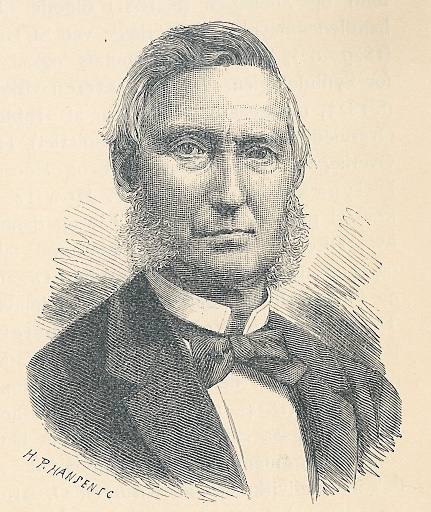 Same disease or problem1846Panum's study of measles in the Faroe IslandsBoth concern measles moving through a population, stopped in the United States by vaccination and tracked village by village in the Faroes. Panum's entry shows the disease's incubation period and lasting immunity.Read this moment