Reproductive Health
c. 1100
Salerno's medical school and the Trotula
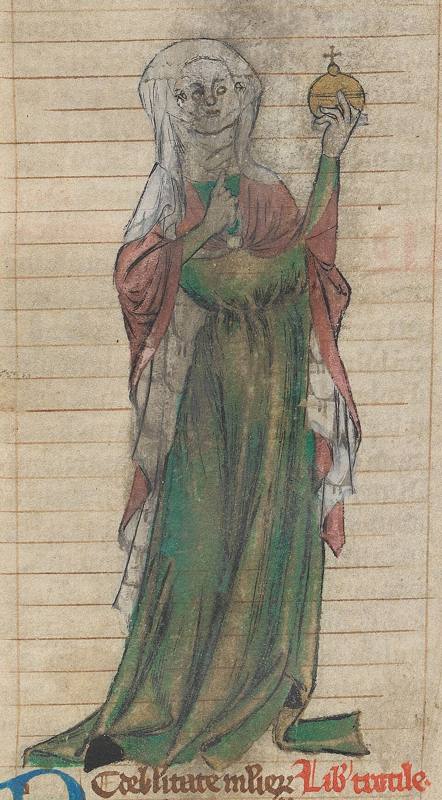
In the 11th and 12th centuries Salerno was Europe's leading center of medical learning. Three Salernitan texts on women's medicine, later joined as the Trotula, formed medieval Europe's most influential compendium on the subject; one derives from a woman healer named Trota.
Key people
- Trota of Salerno
- Woman healer behind On the Treatments for Women
- Constantine the African
- Translator of Arabic medical books into Latin, at Salerno and Monte Cassino
- Monica H. Green
- Historian whose 2001 edition untangled the Trotula's authorship
Source
Salerno, a trading city south of Naples, had Jewish, Muslim and Christian inhabitants and was frequented by merchants from the Islamic world. Its medical school drew scholars of several cultures; legend said it had been founded by four doctors, one Jewish, one Greek, one Arab and one Christian. Constantine the African, the best-known translator of Arabic medical books into Latin, began his work at Salerno; from about 1076 he translated at the monastery of Monte Cassino. By the middle of the 12th century Salernitan teaching combined Greek, Latin and Arabic texts with local practice, and in the 13th century its texts entered university curricula.
Salernitan physicians wrote practical notebooks called practica. The Articella, a collection of works by Hunayn ibn Ishaq, Hippocrates, Galen, Theophilos and Philaretos in Latin, became the most popular medical textbook of the late Middle Ages; it was long attributed to Salerno, though a Parisian origin has recently been argued.
Three Salernitan works on women's health were copied again and again: On the Conditions of Women, On the Treatments for Women and On Women's Cosmetics. Tradition credited them to a woman named Trotula, said to have been the first female professor of medicine at Salerno. In her 2001 edition, the first of the Latin text since the 16th century, the historian Monica Green showed that the Trotula is three independent works by different authors. The second derives from the work of a Salernitan woman healer named Trota; the other two were probably written by men. All three mix the practices of southern Italy with theories and medicines newly arrived from the Arabic world.
Trota is the only known woman writer of the Salernitan school. The spread of her writings shows that by the 12th century Salernitan medicine had readers as far away as England and Normandy. A standardized form of the Trotula, put together in the mid-13th century, circulated widely in learned circles.
Keep exploring
 Read next · built on
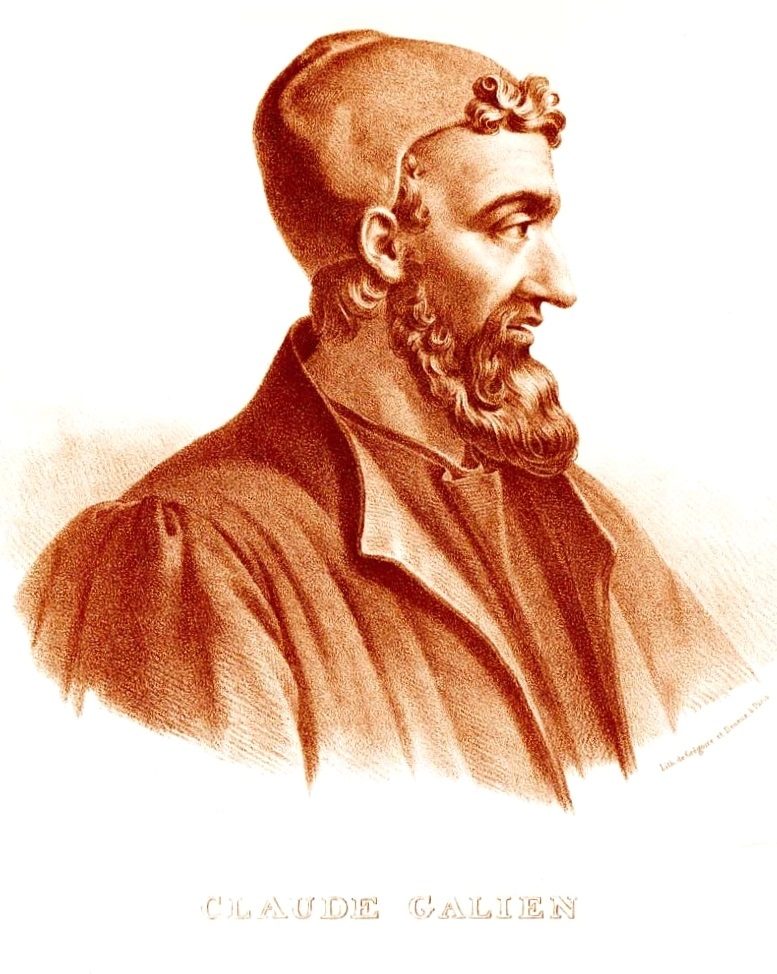
Galen's experimental anatomy and physiology (c. 170 CE)
Salerno's teaching drew on Greek texts, including Galen's works gathered in the Articella, the most popular textbook of the late Middle Ages. Galen's story shows the physician whose writings were treated as authority for about fifteen centuries.
Read this moment
Read next · built on
Galen's experimental anatomy and physiology (c. 170 CE)
Salerno's teaching drew on Greek texts, including Galen's works gathered in the Articella, the most popular textbook of the late Middle Ages. Galen's story shows the physician whose writings were treated as authority for about fifteen centuries.
Read this moment
 Today on The Clinical Times
Love to Dream recalls portable baby sound machine over fire and burn risk
Love to Dream has recalled its portable Sleep Machine because its lithium-ion battery can overheat while charging with an incompatible charger, creating a risk of fire and burns.
Read today’s top stories
Today on The Clinical Times
Love to Dream recalls portable baby sound machine over fire and burn risk
Love to Dream has recalled its portable Sleep Machine because its lithium-ion battery can overheat while charging with an incompatible charger, creating a risk of fire and burns.
Read today’s top stories
All 526 moments in the history of medicine. This one is in chapter 2, The medieval world
Connected moments
How this moment links to others in the history of medicine, and what you will find in each.
-
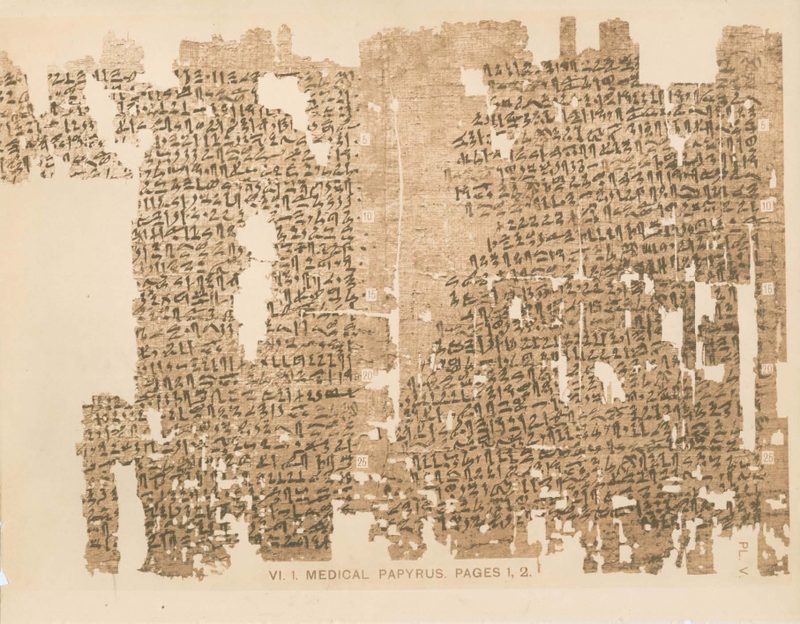 Same disease or problemc. 1825 BCEThe Kahun Gynaecological PapyrusBoth are early texts devoted to women's medicine, one from medieval Salerno and one from Middle Kingdom Egypt. The Kahun papyrus is the oldest known text on the subject, with 34 cases of women's diseases, fertility and pregnancy.Read this moment
- Same disease or problem1970Our Bodies, OurselvesBoth are books on women's health that were copied and spread widely, the medieval Trotula and a 1970 guide written by women for women. Our Bodies Ourselves shows plain information on anatomy, contraception and childbirth put directly in women's hands.Read this moment
-
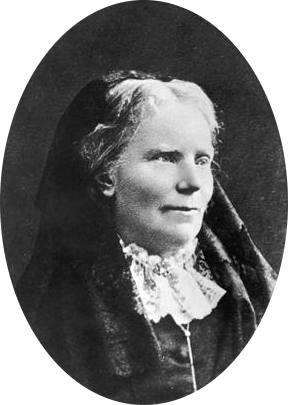 Same disease or problem1849Elizabeth Blackwell's medical degreeTrota is the only known woman writer of the Salernitan school, and Elizabeth Blackwell became the first woman to earn an MD in the United States. Her story shows her later opening an infirmary that trained women doctors.Read this moment