Surgery & Anesthesia
c. 100 BCE
The Sushruta Samhita
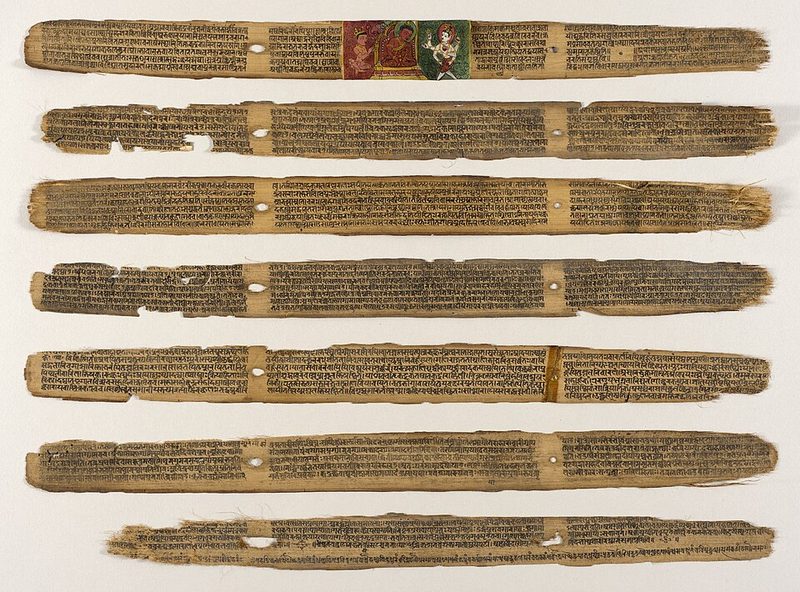
A Sanskrit compendium of medicine and surgery, one of the founding texts of Ayurveda, described operations that included rebuilding a nose with skin from the cheek and couching for cataract. Its date is disputed, from a traditional 600 BCE to about 2,000 years ago.
Key people
- Sushruta
- Surgeon traditionally named as the author; his dates are uncertain
- James Findlay
- British surgeon who saw a nose rebuilt at Poona in 1793
- Thomas Cruso
- British surgeon who saw a nose rebuilt at Poona in 1793
Source
To rebuild a nose that had been cut off, the surgeon first cut a leaf or creeper to the size of the defect. Using it as a pattern, he sliced a matching patch of skin from the cheek to repair the nose. This passage is the best known in the Sushruta Samhita, a Sanskrit compendium of medicine and surgery in six sections and one of the founding texts of Ayurveda, which still informs Ayurvedic practice in India. The same work sorts operations into eight kinds, among them excision, scarification, puncturing, extraction and suturing, and its method of couching for cataract was known in China by the 7th century.
Its date is disputed. Tradition places its author, Sushruta, in the city of Kashi around 600 BCE, and a 2024 review in a plastic surgery journal still uses that date. The University of Alberta's Sushruta Project, which is editing the oldest manuscripts, describes the work as a picture of South Asian medicine about 2,000 years ago, comparable in age to the Hippocratic Corpus and the Yellow Emperor's Inner Classic. The oldest surviving copy, a palm-leaf manuscript in the Kaiser Library in Kathmandu announced in 2007, dates from 878 CE, almost a thousand years earlier than any other known manuscript.
The Project's editors also note that the five verses on the nose are written in a different metre from the rest of their chapter and come at its very end, which could mean they were added later. Travelers saw Indian practitioners rebuilding noses from the 17th century on. In 1793 two surgeons at the British hospital in Poona, James Findlay and Thomas Cruso, watched the operation on Cowasjee, a bullock driver for the British army whose nose had been cut off after Tipu Sultan took him prisoner, and a letter describing it appeared in The Gentleman's Magazine in London in October 1794. That operation took the skin from the forehead, not the cheek.
Keep exploring
 Read next · same disease or problem
Koller's cocaine local anesthesia (1884)
The Sushruta Samhita describes couching for cataract, and in 1884 surgeons took up cocaine drops for cataract operations. Koller's story shows how numbing the eye with cocaine spread within weeks to nerve blocks and spinal anesthesia.
Read this moment
Read next · same disease or problem
Koller's cocaine local anesthesia (1884)
The Sushruta Samhita describes couching for cataract, and in 1884 surgeons took up cocaine drops for cataract operations. Koller's story shows how numbing the eye with cocaine spread within weeks to nerve blocks and spinal anesthesia.
Read this moment
 Today on The Clinical Times
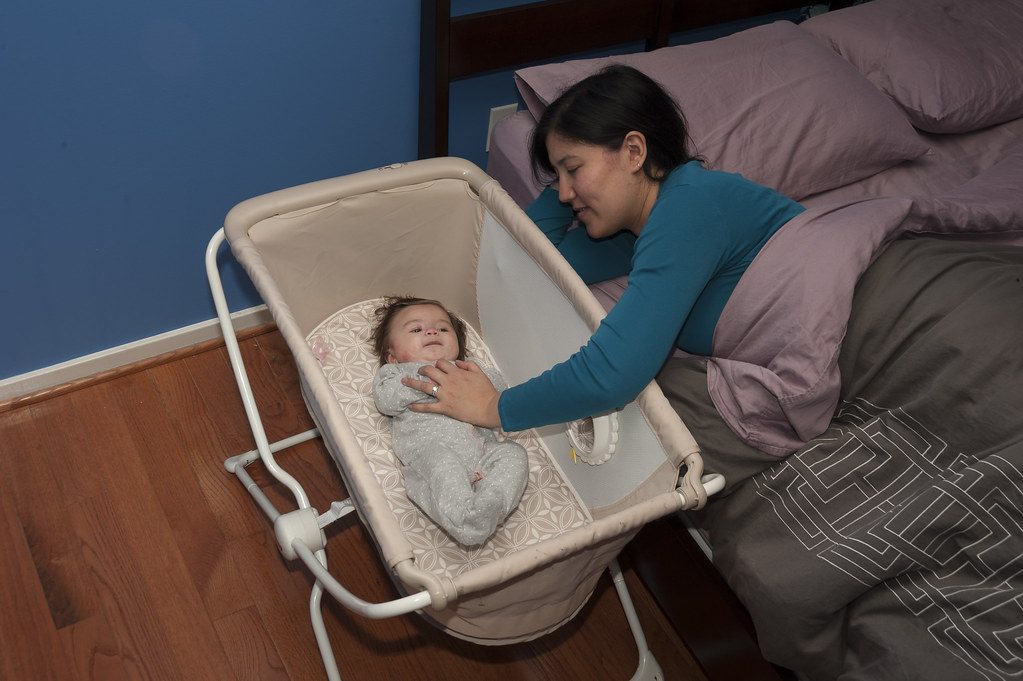
Love to Dream recalls portable baby sound machine over fire and burn risk
Love to Dream has recalled its portable Sleep Machine because its lithium-ion battery can overheat while charging with an incompatible charger, creating a risk of fire and burns.
Read today’s top stories
Today on The Clinical Times
Love to Dream recalls portable baby sound machine over fire and burn risk
Love to Dream has recalled its portable Sleep Machine because its lithium-ion battery can overheat while charging with an incompatible charger, creating a risk of fire and burns.
Read today’s top stories
All 526 moments in the history of medicine. This one is in chapter 1, The ancient world
Connected moments
How this moment links to others in the history of medicine, and what you will find in each.
-
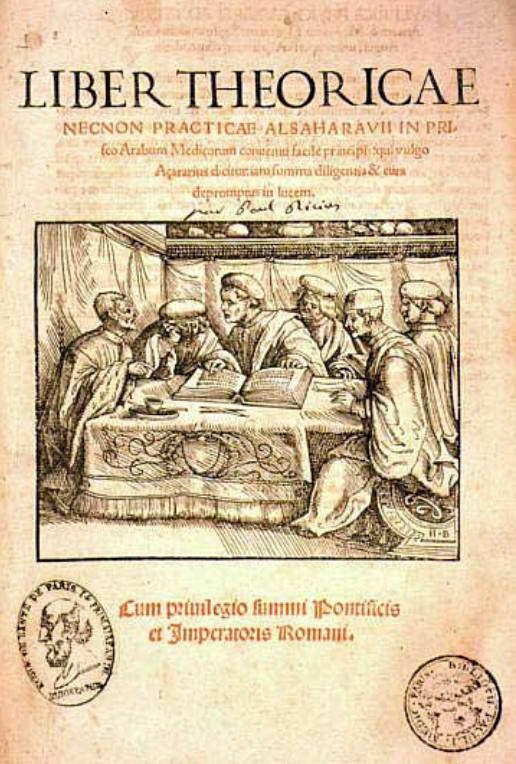 Same disease or problemc. 1000Al-Zahrawi's illustrated surgeryBoth are surgical compendia that sort operations by kind, the Sushruta into eight types and al-Zahrawi into cautery, incision and bone-setting. Al-Zahrawi's book adds detailed drawings of instruments and was taught in Europe for centuries.Read this moment
-
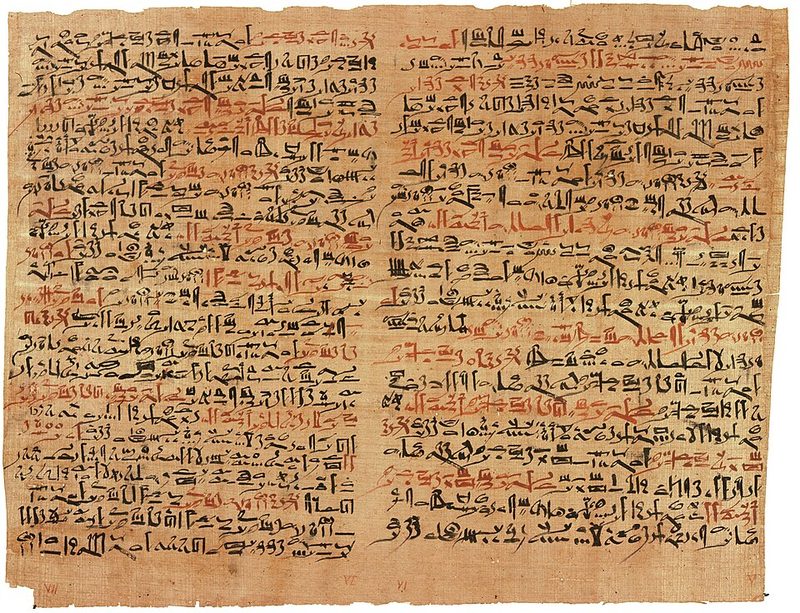 Same disease or problemc. 1600 BCEThe Edwin Smith Surgical PapyrusBoth are among the oldest surgical texts, India's nose and cataract operations and Egypt's 48 cases of wounds. The Edwin Smith papyrus shows a surgeon reasoning through examination, diagnosis and prognosis, and naming the brain for the first time.Read this moment