Foundational Discovery
c. 30 CE
Celsus's De Medicina
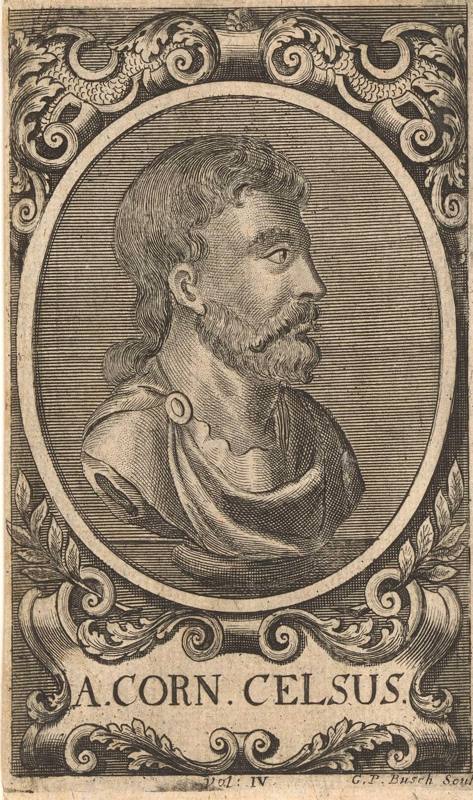
Written in Latin probably in the reign of the emperor Tiberius, Aulus Cornelius Celsus's eight books On Medicine surveyed the medicine and surgery of the day. They set down the four signs of inflammation: redness and swelling with heat and pain.
Key people
- Aulus Cornelius Celsus
- Roman author of De Medicina, active probably under Tiberius
Source
Almost nothing is known of Aulus Cornelius Celsus. Pliny the Elder and Quintilian refer to him, so he probably lived under the emperor Tiberius, and some place his birth in 25 BCE. De Medicina seems to have been one part of a larger encyclopedia that also covered agriculture, the military arts and law. Whether Celsus practiced is disputed. Pliny listed him among writers, not physicians, but a 2013 study of his surgical chapters concluded that he probably operated at least within his own family and household.
His preface traces medicine's division into three parts, treatment by diet, by drugs and by hand. Books VII and VIII deal with surgery. The preface also weighs the rival schools. One held that physicians must know hidden causes and the inner organs, and praised Herophilus and Erasistratus for opening criminals alive, received from the kings out of prison. The Empirici answered that experience was enough. Celsus judged that medicine should be rational but built on evident causes, and that opening the living was as cruel as it was needless, while dissecting the dead was necessary for learners.
In Book III, on fevers and their treatment, he stated that the signs of an inflammation are four: redness and swelling with heat and pain. In the same passage he faulted Erasistratus for claiming that no fever occurs without inflammation. The surgical books describe operations in detail, and a 2018 history of varicocele opens with his description of swollen, twisted veins over a testicle that becomes smaller.
The book was forgotten for centuries. According to a 2013 review, a manuscript came to light in 1443 through the man who became Pope Nicholas V, and the first printed edition appeared at Florence in 1478. The editor of the Loeb translation counted 49 printed editions down to 1841.
Keep exploring
 Read next · built on
Human dissection at Alexandria (c. 280 BCE)
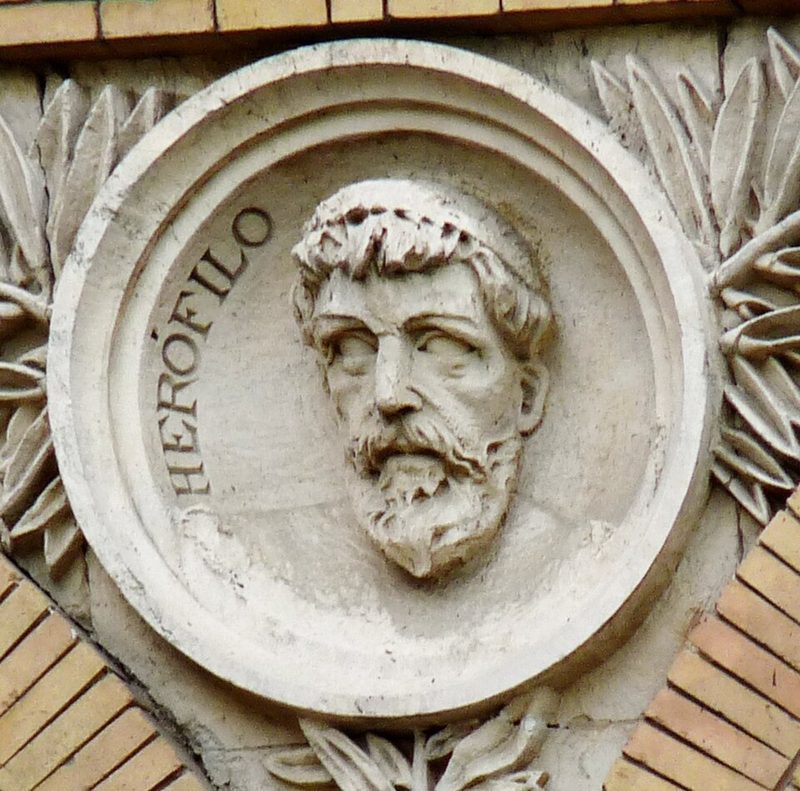
Celsus weighed the Alexandrians' dissection of living criminals and judged it as cruel as it was needless. The Alexandria story shows what Herophilus found by opening bodies: nerves told apart from vessels, the duodenum named and the eye described.
Read this moment
Read next · built on
Human dissection at Alexandria (c. 280 BCE)
Celsus weighed the Alexandrians' dissection of living criminals and judged it as cruel as it was needless. The Alexandria story shows what Herophilus found by opening bodies: nerves told apart from vessels, the duodenum named and the eye described.
Read this moment
 Today on The Clinical Times
Love to Dream recalls portable baby sound machine over fire and burn risk
Love to Dream has recalled its portable Sleep Machine because its lithium-ion battery can overheat while charging with an incompatible charger, creating a risk of fire and burns.
Read today’s top stories
Today on The Clinical Times
Love to Dream recalls portable baby sound machine over fire and burn risk
Love to Dream has recalled its portable Sleep Machine because its lithium-ion battery can overheat while charging with an incompatible charger, creating a risk of fire and burns.
Read today’s top stories
All 526 moments in the history of medicine. This one is in chapter 1, The ancient world
Connected moments
How this moment links to others in the history of medicine, and what you will find in each.
-
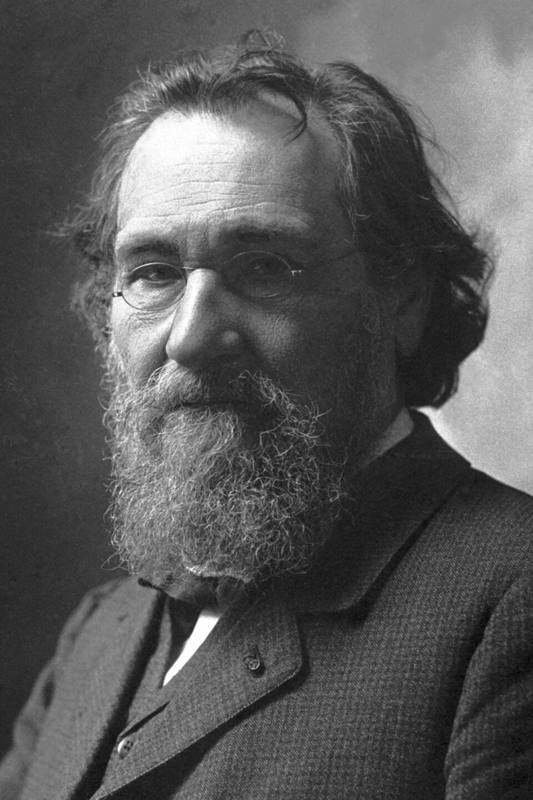 Same disease or problem1882Metchnikoff's discovery of phagocytosisCelsus set down the four signs of inflammation, and Metchnikoff later looked at what happens inside it. His story shows wandering white cells walling in thorns in starfish larvae, and his idea that such cells defend the body by engulfing microbes.Read this moment
-
 Same disease or problem1316Mondino de Luzzi's AnothomiaCelsus held that dissecting the dead was necessary for learners, and Mondino did it in public at Bologna. His 1316 manual follows a human dissection from abdomen to head and was used by universities until the middle of the 16th century.Read this moment