Foundational Discovery
c. 280 BCE
Human dissection at Alexandria
Working in Alexandria under the first two Ptolemies, Herophilus and Erasistratus opened human bodies, reportedly including living condemned criminals. Herophilus told nerves apart from blood vessels, named the duodenum and described the ventricles of the brain and the parts of the eye.
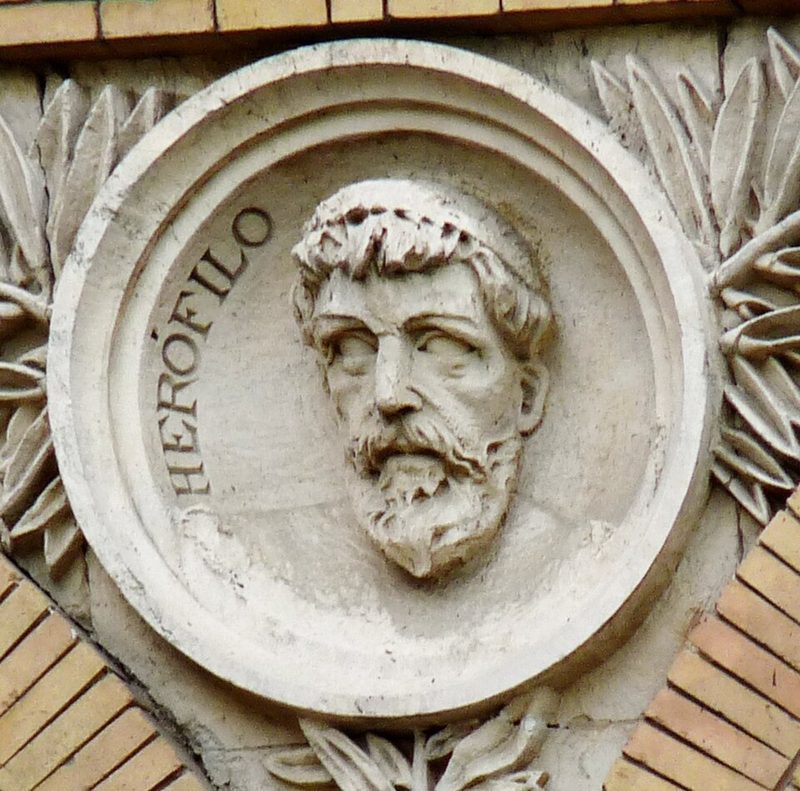
Key people
- Herophilus of Chalcedon
- Alexandrian anatomist; distinguished nerves from vessels and named the duodenum
- Erasistratus
- Younger Alexandrian contemporary who also dissected human bodies
- Celsus
- Roman author whose De Medicina records their work
Source
Herophilus was born in Chalcedon, in Asia Minor, in 335 BCE and practiced medicine in Alexandria during the reigns of the first two Ptolemies, when the city was a center of Greek learning. He and his younger contemporary Erasistratus are the first physicians known to have dissected human bodies systematically.
What they did is known from later writers. In the early 1st century CE the Roman author Celsus set out the argument of their defenders: the two men had laid open living criminals handed over from prison by the kings, and while the men still breathed they had noted the position, color, shape and size of organs that nature kept hidden, and how hard or soft each one was. It was not cruel, the defenders said, to use a few condemned men to find remedies for innocent people of all later ages. Their opponents called it cruel and said it taught little, since organs change once the body is opened, and said the wounds of gladiators, soldiers and travelers attacked by robbers showed enough.
Herophilus was one of the first to tell nerves apart from blood vessels and tendons. He named the meninges and the ventricles of the brain, held that the brain was the seat of the intellect, gave the first part of the small intestine its name, duodenum, and gave the first accurate description of the liver. He described the cornea, retina, choroid, iris and vitreous humor of the eye, and he corrected his teacher Praxagoras, who had not linked the pulse to the heartbeat. Celsus records that Erasistratus explained inflammation, and the fever that came with it, as blood forced into vessels meant to carry pneuma.
Galen later absorbed the Alexandrian anatomy into his own writings. When Mondino de Luzzi dissected an executed criminal in public at Bologna in 1315, he was described as the first to perform a public human dissection since Herophilus and Erasistratus.
Keep exploring
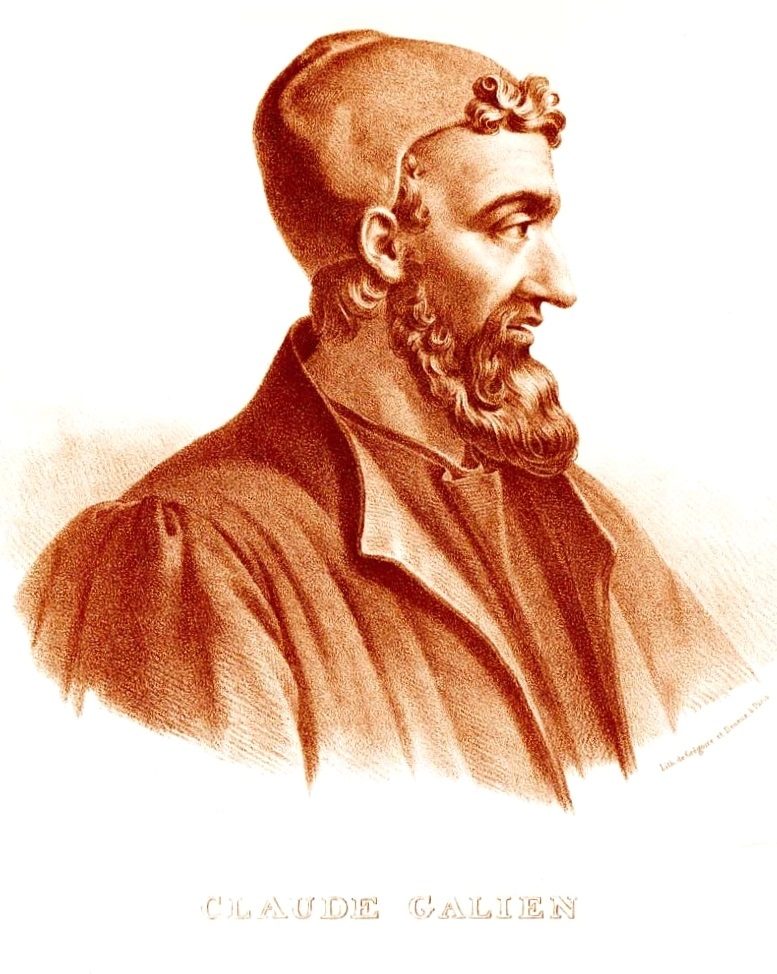 Read next · led to
Galen's experimental anatomy and physiology (c. 170 CE)
Galen later absorbed the anatomy of Alexandrians such as Herophilus into his own writings. His story shows how that anatomy, joined to Hippocratic theory and animal experiments, was treated as authority for about fifteen centuries.
Read this moment
Read next · led to
Galen's experimental anatomy and physiology (c. 170 CE)
Galen later absorbed the anatomy of Alexandrians such as Herophilus into his own writings. His story shows how that anatomy, joined to Hippocratic theory and animal experiments, was treated as authority for about fifteen centuries.
Read this moment
 Today on The Clinical Times
Love to Dream recalls portable baby sound machine over fire and burn risk
Love to Dream has recalled its portable Sleep Machine because its lithium-ion battery can overheat while charging with an incompatible charger, creating a risk of fire and burns.
Read today’s top stories
Today on The Clinical Times
Love to Dream recalls portable baby sound machine over fire and burn risk
Love to Dream has recalled its portable Sleep Machine because its lithium-ion battery can overheat while charging with an incompatible charger, creating a risk of fire and burns.
Read today’s top stories
All 526 moments in the history of medicine. This one is in chapter 1, The ancient world
Connected moments
How this moment links to others in the history of medicine, and what you will find in each.
-
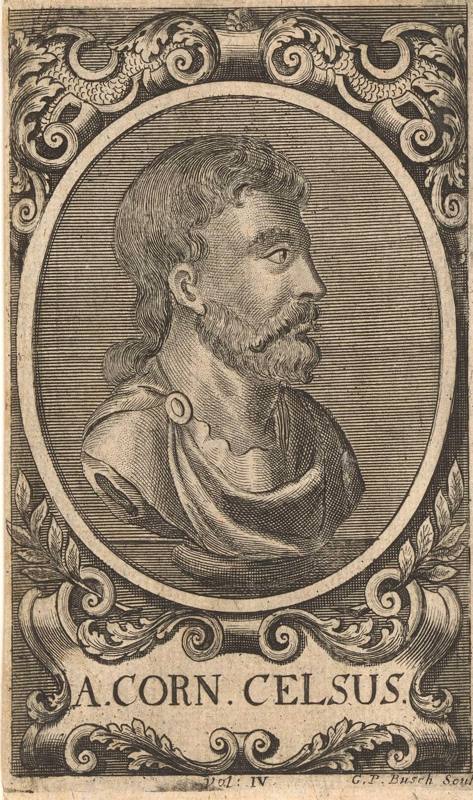 Same personc. 30 CECelsus's De MedicinaCelsus is the main source for how Herophilus and Erasistratus opened living criminals, and he judged it cruel. His book shows the Roman debate over dissection and sets down the four signs of inflammation.Read this moment
-
 Same disease or problem1316Mondino de Luzzi's AnothomiaMondino's public dissection at Bologna in 1315 was described as the first since Herophilus and Erasistratus. His manual shows human dissection returning to medical teaching, though still repeating many of Galen's errors.Read this moment
-
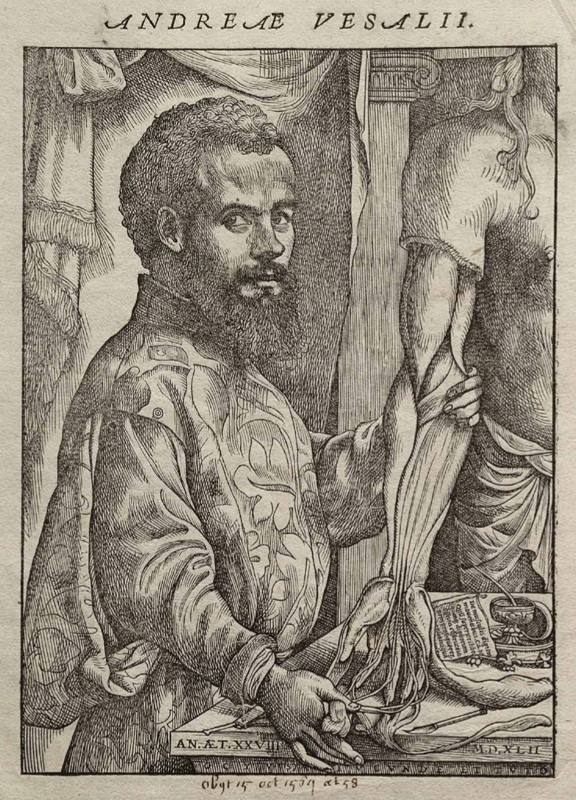 Same disease or problem1543Vesalius's De Humani Corporis FabricaBoth advanced anatomy by opening human bodies, first at Alexandria and again in Vesalius's own dissections. His 1543 textbook shows how he corrected errors Galen had carried over from animals, with woodcuts copied for centuries.Read this moment