Foundational Discovery
1316
Mondino de Luzzi's Anothomia
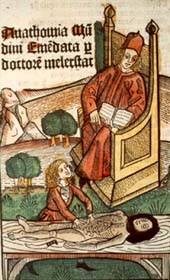
Mondino de Luzzi of Bologna wrote in 1316 a manual that follows a human dissection from the abdomen to the head. Several European universities used it until the middle of the 16th century, though it repeated many of Galen's errors.
Key people
- Mondino de Luzzi
- Bologna anatomist, about 1270 to 1326; wrote the Anothomia
- Taddeo Alderotti
- His teacher at Bologna
- Niccolò da Reggio
- Translated Galen's On the Use of the Parts into Latin in 1317
Source
Bodies decayed quickly, so dissections at Bologna were held in the coldest weeks, in January or February, and ran for four days and nights. The abdomen, whose organs putrefied first, came on the first day, then the chest, the head and the limbs. Mondino de Luzzi's Anothomia, which he wrote in 1316, follows the same order, from the abdominal cavity to the head. For each organ it gives the position, the relations to neighbouring structures, the shape, size, texture and parts.
Mondino was born in Bologna, probably around 1270, and studied under Taddeo Alderotti. Human dissection may already have been practised there in Alderotti's time, but Mondino made it part of his anatomy course. In 1315 he conducted a public dissection of an executed criminal, probably a woman, before students and townspeople. In his chapter on the womb he mentioned dissections almost every month, of executed criminals and probably of poor people who had died in hospitals, and also of sows. Not every body came through official channels: in 1319 four students were arrested for taking a corpse from a grave to their master, Alberto, a lecturer at the university.
Mondino sat on a raised chair and read aloud from Galen while assistants did the work. A demonstrator cut, and an ostensor pointed out each part with a wand. It is not certain that he ever dissected with his own hands. The book repeats many of Galen's mistakes and adds some of its own. It describes the womb as divided into seven cells, a doctrine falsely attributed to Galen; after reading Galen's On the Use of the Parts in the Latin translation Niccolò da Reggio made in 1317, Mondino dropped the idea in lectures recorded in 1319.
The Anothomia was used in several European universities until the middle of the 16th century. It was first printed at Pavia in 1478 and was soon included in the Fasciculus medicinae, a collection of medical texts. Mondino died in Bologna in 1326, between 17 February, when he made his will while gravely ill, and 15 May, when his heirs listed his goods. The story that Alessandra Giliani of San Giovanni in Persiceto assisted at his dissections was invented by the Bolognese forger Alessandro Macchiavelli in 1739.
Keep exploring
 Read next · built on
Galen's experimental anatomy and physiology (c. 170 CE)
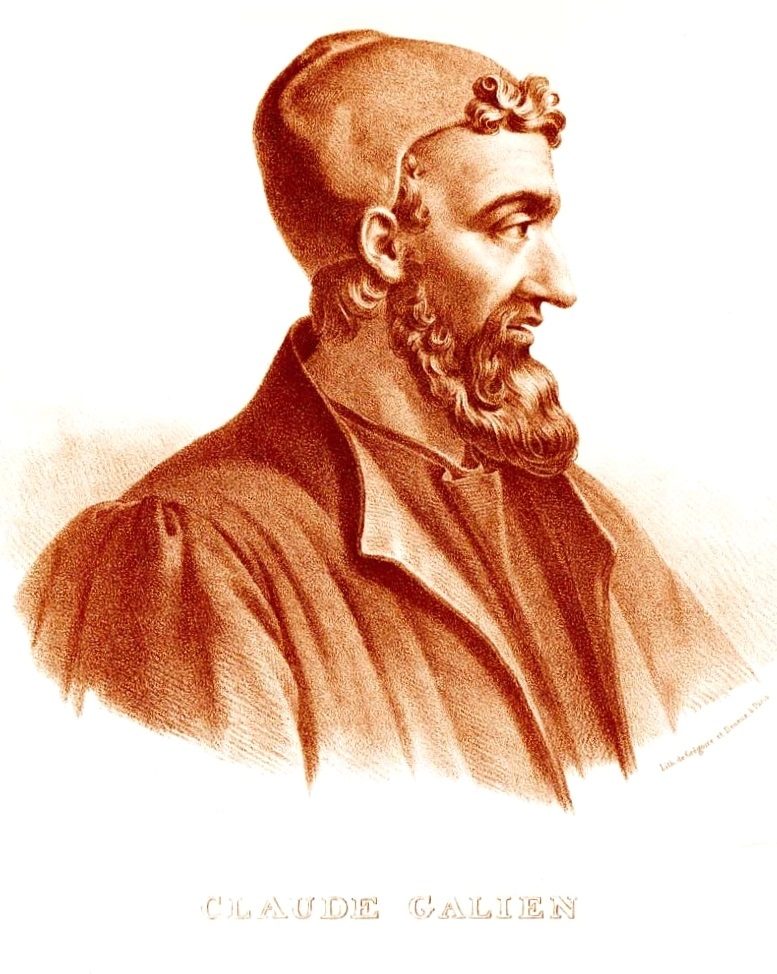
Mondino read Galen aloud while assistants dissected, and his book repeats many of Galen's errors. Galen's story shows how that authority began, and how his claims about the heart were later rejected.
Read this moment
Read next · built on
Galen's experimental anatomy and physiology (c. 170 CE)
Mondino read Galen aloud while assistants dissected, and his book repeats many of Galen's errors. Galen's story shows how that authority began, and how his claims about the heart were later rejected.
Read this moment
 Today on The Clinical Times
Love to Dream recalls portable baby sound machine over fire and burn risk
Love to Dream has recalled its portable Sleep Machine because its lithium-ion battery can overheat while charging with an incompatible charger, creating a risk of fire and burns.
Read today’s top stories
Today on The Clinical Times
Love to Dream recalls portable baby sound machine over fire and burn risk
Love to Dream has recalled its portable Sleep Machine because its lithium-ion battery can overheat while charging with an incompatible charger, creating a risk of fire and burns.
Read today’s top stories
All 526 moments in the history of medicine. This one is in chapter 2, The medieval world
Connected moments
How this moment links to others in the history of medicine, and what you will find in each.
-
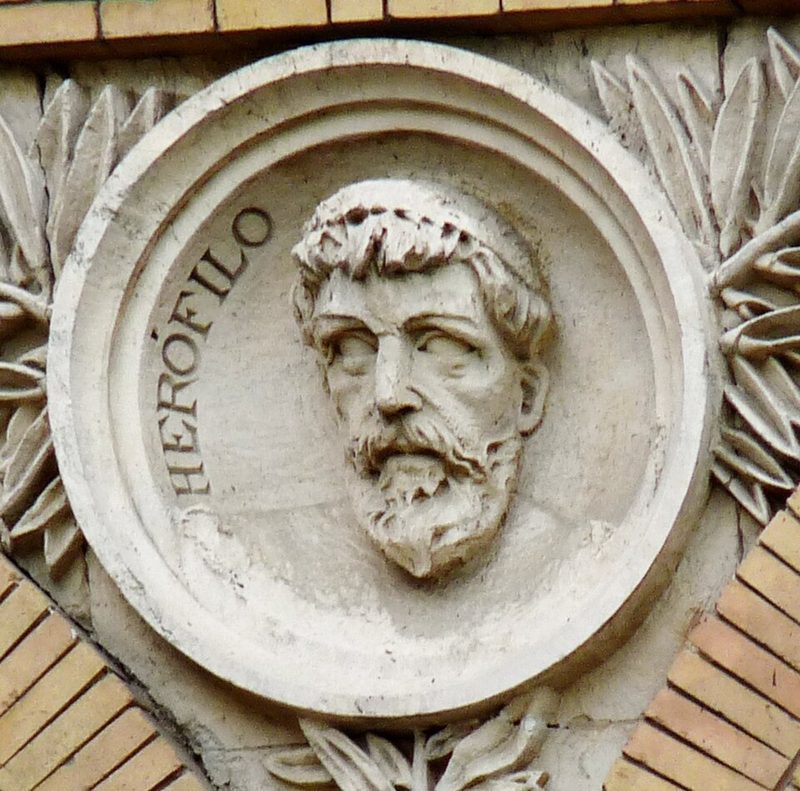 Same disease or problemc. 280 BCEHuman dissection at AlexandriaMondino's public dissection in 1315 was described as the first since Herophilus and Erasistratus. The Alexandria story shows the first systematic human dissections, which named the duodenum and described the brain's ventricles and the eye.Read this moment
-
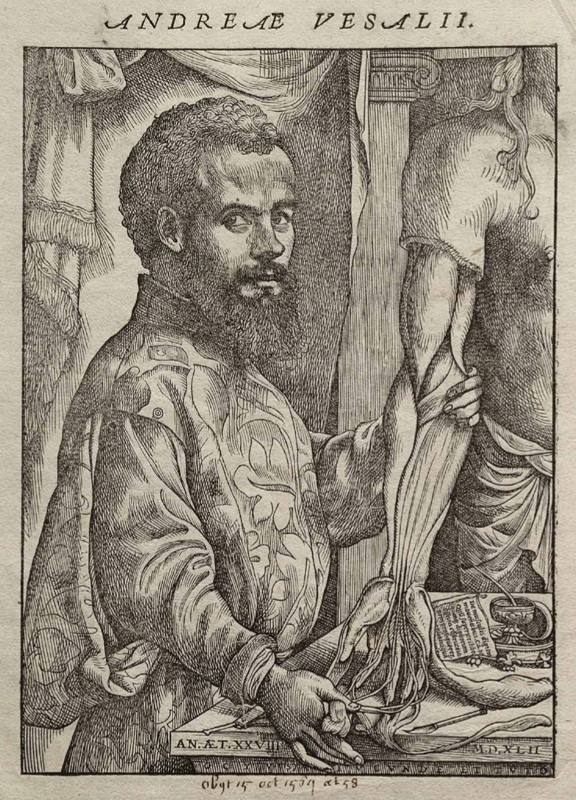 Same disease or problem1543Vesalius's De Humani Corporis FabricaMondino repeated Galen's errors, and Vesalius corrected them from his own dissections of human bodies. His 1543 textbook shows the woodcuts that anatomists went on copying for centuries.Read this moment
-
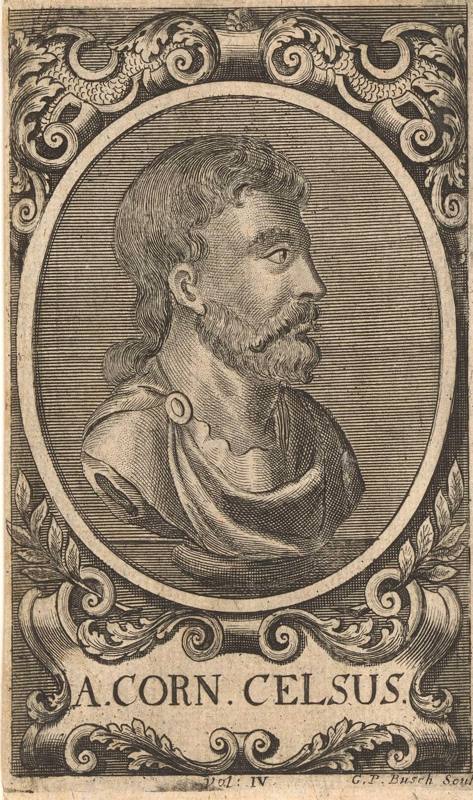 Same disease or problemc. 30 CECelsus's De MedicinaCelsus held that dissecting the dead was necessary for learners, and Mondino made it part of his anatomy course. Celsus shows the Roman debate over opening bodies, living and dead, thirteen centuries earlier.Read this moment