Foundational Discovery
1543
Vesalius's De Humani Corporis Fabrica
Vesalius based a seven-book textbook of human anatomy on his own dissections of human bodies, corrected errors that Galen had carried over from animal dissection, and illustrated it with woodcuts that were copied for centuries.
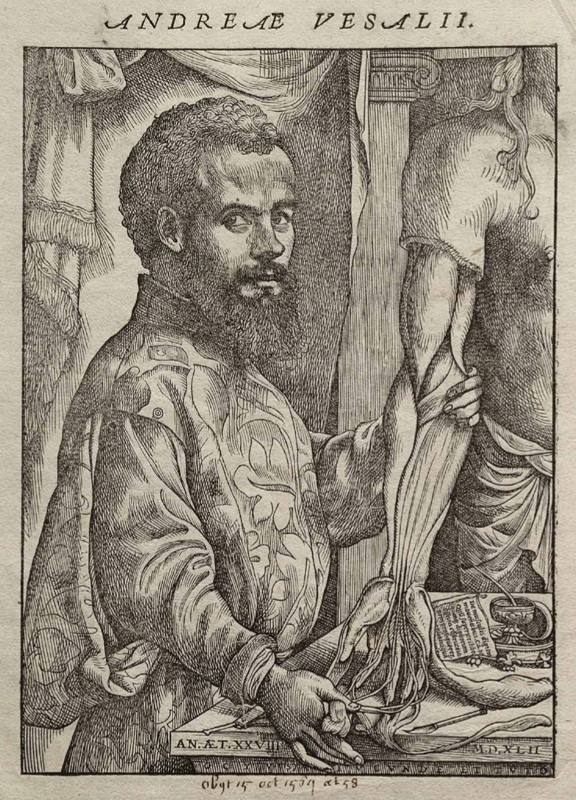
Key people
- Andreas Vesalius
- Padua anatomy professor who wrote De humani corporis fabrica
- Jacques Dubois (Sylvius)
- His former Paris teacher, who attacked Vesalius in print in 1551
- Jan Stephan Calkar
- Artist credited with the portrait of Vesalius in the book
- Johannes Oporinus
- Basel printer of the 1543 first edition
Source
In a typical anatomy lesson of the early 1500s, the professor sat on a high chair or stood at a podium and read aloud from Galen while a barber surgeon cut into the body and students watched. Dissections were rare and rarely close. Galen had worked mostly from apes, dogs and sheep, and his mistakes about the human body usually went unnoticed or were written off as oddities.
Andreas Vesalius, born in Brussels in 1514, became a professor at Padua in 1537 and began to do his own dissections. He had been a firm follower of Galen and helped prepare a new Latin translation of Galen's works in the early 1540s, but the bodies on his table disagreed with the text. The human liver had two lobes, not five. Galen's description of the processes of the lumbar vertebrae was wrong. The rete mirabilis, a net of blood vessels that Galen had seen in the necks of sheep, did not exist at the base of the human brain.
Johannes Oporinus printed De humani corporis fabrica in Basel in 1543, in seven books. Vesalius described the body structure by structure and backed each description with what he had found in human cadavers. The illustrations were the work of several artists. Jan Stephan Calkar is credited with the portrait of Vesalius, and the other artists are known only as the workshop of Titian. Vesalius also brought out a shorter dissection manual, the Epitome, using many of the same blocks. The same year, Charles V called him to court as a physician.
Galen's defenders fought back. Jacques Dubois, called Sylvius, who had taught Vesalius in Paris, attacked him in a pamphlet in 1551. Fear of more criticism led Vesalius to hold back from new research, and he burned several manuscripts for other books. Copyists were quicker still. Juan Valverde de Amusco's Historia de la composicion del cuerpo humano, printed in Rome in 1556, was among the best known of the books that reused the images and text of De fabrica.
Vesalius died far from Padua. Recalled to an honored chair there while on a pilgrimage to Jerusalem, he was shipwrecked on the Greek island of Zante on the way back and died on 15 October 1564.
Keep exploring
 Read next · built on
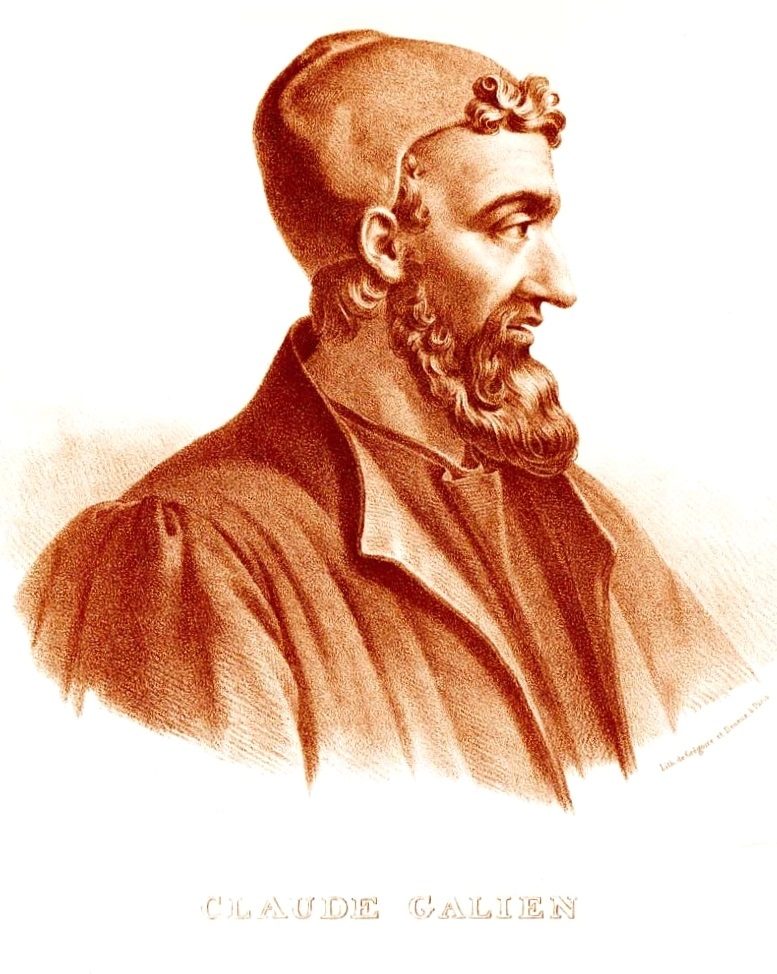
Galen's experimental anatomy and physiology (c. 170 CE)
Vesalius corrected errors Galen had carried over from apes, dogs and sheep, finding for example that the human liver has two lobes, not five. Galen's story shows how animal anatomy became the authority Vesalius overturned.
Read this moment
Read next · built on
Galen's experimental anatomy and physiology (c. 170 CE)
Vesalius corrected errors Galen had carried over from apes, dogs and sheep, finding for example that the human liver has two lobes, not five. Galen's story shows how animal anatomy became the authority Vesalius overturned.
Read this moment
 Today on The Clinical Times
Love to Dream recalls portable baby sound machine over fire and burn risk
Love to Dream has recalled its portable Sleep Machine because its lithium-ion battery can overheat while charging with an incompatible charger, creating a risk of fire and burns.
Read today’s top stories
Today on The Clinical Times
Love to Dream recalls portable baby sound machine over fire and burn risk
Love to Dream has recalled its portable Sleep Machine because its lithium-ion battery can overheat while charging with an incompatible charger, creating a risk of fire and burns.
Read today’s top stories
All 526 moments in the history of medicine. This one is in chapter 3, Anatomy and observation
Connected moments
How this moment links to others in the history of medicine, and what you will find in each.
-
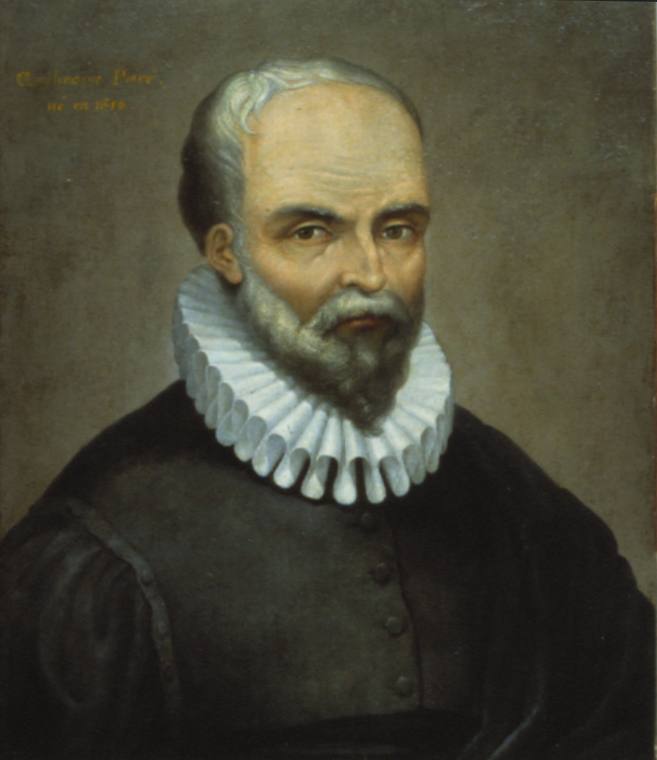 Same person1545Paré's Treatise on Gunshot WoundsJacques Dubois, called Sylvius, taught Vesalius and later attacked him, yet urged Paré to publish his new wound dressing. Paré's story shows a French army surgeon replacing boiling oil with a mild salve.Read this moment
-
 Led to1774Kaitai Shinsho, Western anatomy in JapaneseVesalius's woodcuts were copied for centuries, and Kaitai Shinsho's illustrations followed a line of images going back to him. Its story shows Japanese physicians checking a Dutch anatomy book against a dissection and finding it accurate.Read this moment
-
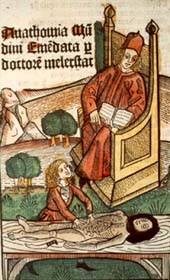 Same disease or problem1316Mondino de Luzzi's AnothomiaBoth taught anatomy through human dissection, but Mondino read Galen aloud while others cut, and Vesalius cut himself and corrected Galen. Mondino's manual shows the older method that Vesalius broke with.Read this moment