Foundational Discovery
1774
Kaitai Shinsho, Western anatomy in Japanese
In 1774 Sugita Genpaku, Maeno Ryōtaku and colleagues published Kaitai Shinsho, a Japanese translation of the Dutch edition of Johann Adam Kulmus's anatomical tables. It challenged the Chinese anatomical theories of Japanese medicine and coined Japanese words for many structures.
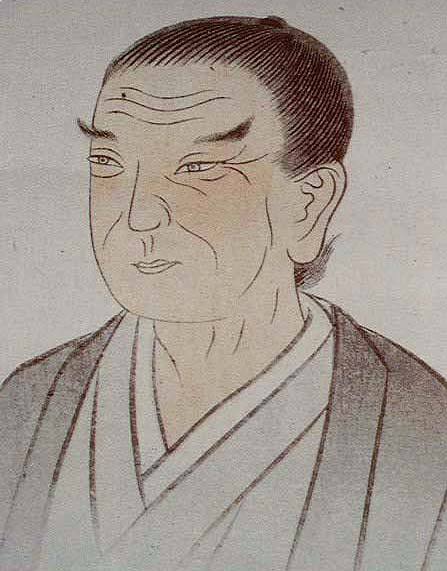
Key people
- Sugita Genpaku
- Physician who led the translation and signed the book
- Maeno Ryōtaku
- Principal translator, left unnamed in the printed book
- Odano Naotake
- Illustrator of Kaitai Shinsho
- Johann Adam Kulmus
- Danzig anatomist whose tables were translated
Source
By 1770 Japan had been cut off from the rest of the world for more than a century, apart from limited trade with the Netherlands and China. Japanese medicine rested largely on classical Chinese texts that explained the body through the five elements and the flow of qi. A group of physicians led by Maeno Ryōtaku and Sugita Genpaku (1733 to 1817) took up the study of Dutch medicine, and in 1771 they obtained copies of Ontleedkundige tafelen, the Dutch edition, printed in Amsterdam in 1734, of Johann Adam Kulmus's anatomical tables.
Kulmus (1689 to 1745), a lecturer at the Gymnasium in Danzig, had first published his Anatomische Tabellen there in 1722, and it was translated into Latin, French and Dutch. Many of its illustrations imitated those of Philippe Verheyen, which in turn followed Vesalius. The Japanese physicians took the Dutch book with them to the dissection of an executed criminal, were struck by the accuracy of its drawings, and decided to translate it.
The work took years and meant finding new Japanese words for many anatomical terms. It appeared in Edo in 1774 as Kaitai Shinsho, in five volumes: a head volume of prefaces, introduction and illustrations, and four volumes of text. Maeno did most of the translating, but his name was not printed in the book. Nakagawa Jun'an and Katsuragawa Hoshū checked the text, and Odano Naotake made the illustrations; the frontispiece was adapted from the title page of an edition of Juan Valverde de Amusco's anatomy.
The National Library of Medicine describes Kaitai Shinsho as the first Western book published in Japan in the Japanese language, and notes that it called into question the Chinese anatomical theories of kampō medicine. Keio University's libraries credit it with making Western medicine a subject of serious study in Japan.
Keep exploring
 Read next · built on
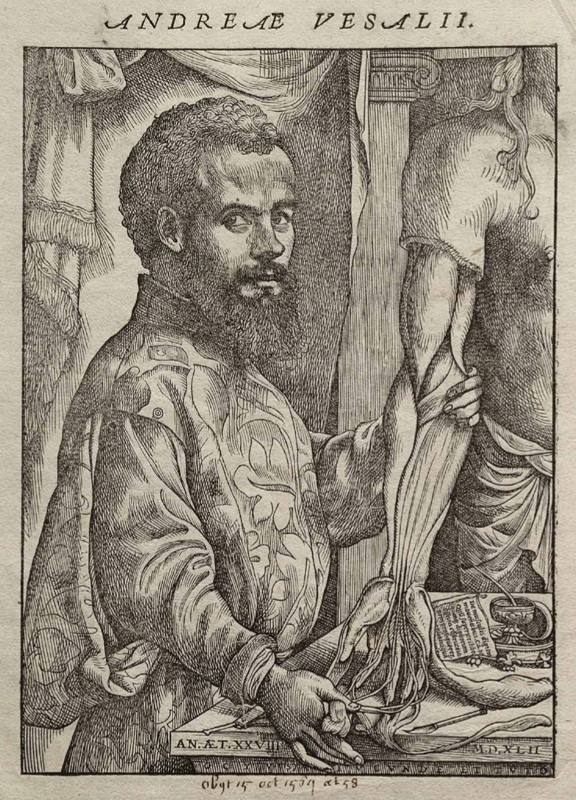
Vesalius's De Humani Corporis Fabrica (1543)
The book Kaitai Shinsho translated used illustrations that followed a line of images going back to Vesalius. His story shows the 1543 anatomy built on human dissection, whose woodcuts were copied for centuries.
Read this moment
Read next · built on
Vesalius's De Humani Corporis Fabrica (1543)
The book Kaitai Shinsho translated used illustrations that followed a line of images going back to Vesalius. His story shows the 1543 anatomy built on human dissection, whose woodcuts were copied for centuries.
Read this moment
 Today on The Clinical Times
Love to Dream recalls portable baby sound machine over fire and burn risk
Love to Dream has recalled its portable Sleep Machine because its lithium-ion battery can overheat while charging with an incompatible charger, creating a risk of fire and burns.
Read today’s top stories
Today on The Clinical Times
Love to Dream recalls portable baby sound machine over fire and burn risk
Love to Dream has recalled its portable Sleep Machine because its lithium-ion battery can overheat while charging with an incompatible charger, creating a risk of fire and burns.
Read today’s top stories
All 526 moments in the history of medicine. This one is in chapter 3, Anatomy and observation
Connected moments
How this moment links to others in the history of medicine, and what you will find in each.
-
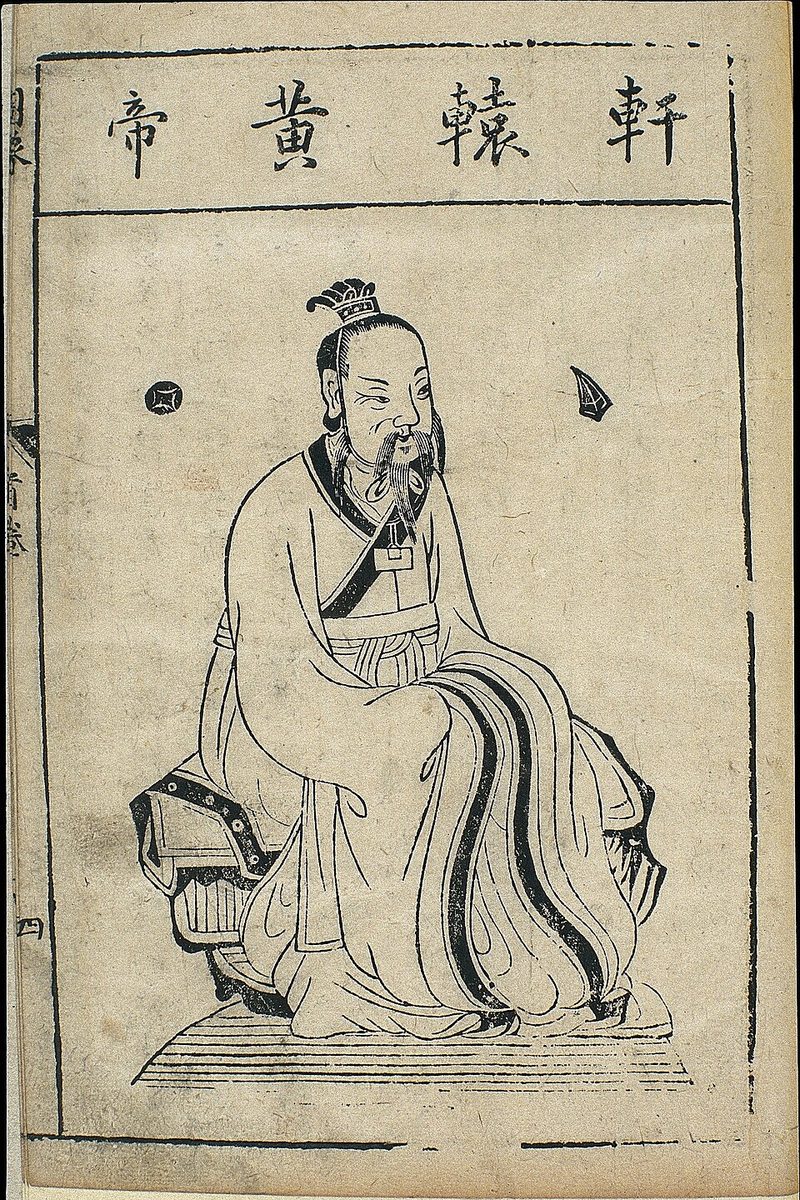 Built onc. 250 BCEThe Yellow Emperor's Inner ClassicKaitai Shinsho challenged the Chinese anatomy of kampo, which grew from the Inner Classic. That story shows the theory of qi, organs and channels that Japanese medicine had rested on.Read this moment
-
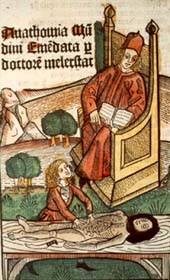 Same disease or problem1316Mondino de Luzzi's AnothomiaBoth learned anatomy from the dissection of an executed criminal, Mondino in Bologna and the Japanese translators in Edo. Mondino's manual shows the order of a medieval dissection, abdomen first and head last.Read this moment