Research Methods & Ethics
1772
Gregory's Lectures on the Duties of a Physician
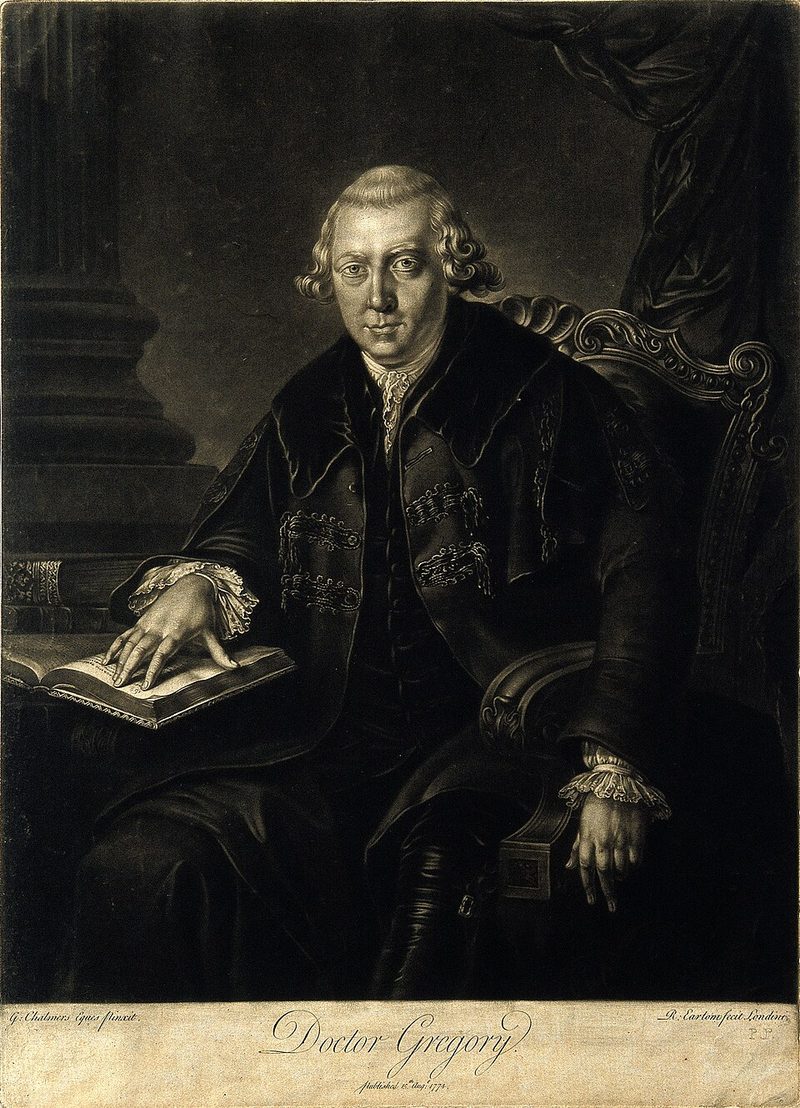
In 1772 the Edinburgh professor John Gregory published lectures on the moral duties of a physician: humanity and sympathy toward patients, patience and secrecy, honesty about mistakes, and the patient's welfare ahead of money or status.
Key people
- John Gregory
- Edinburgh professor of medicine who wrote the lectures
Source
John Gregory (1724 to 1773), the son of an Aberdeen professor of medicine, studied medicine at Edinburgh and Leiden and took his doctorate from King's College, Aberdeen, in 1745. He taught philosophy there, was one of the first surgeons to operate at the Aberdeen Infirmary, lectured to midwives, and in 1754 was elected a Fellow of the Royal Society. In 1766 he became professor of medicine at the University of Edinburgh.
He gave lectures on the duties and qualifications of a physician at Edinburgh between 1767 and 1769. Students copied them, and one transcript found its way into print in what Gregory called a negligent form. He revised the text and published it in London in 1772, addressed to young students of medicine. The lectures took up in turn the temper and understanding that fit a person to practice, the moral qualities expected of a physician, the proper conduct toward patients, colleagues, surgeons and apothecaries, and the education a physician needed.
The chief moral quality, Gregory wrote, was humanity, the sensibility of heart that makes us feel for the distress of others and moves us to relieve it. Sympathy won a patient's affection and confidence, which in many cases mattered greatly to recovery. A gentle and compassionate physician's visit was welcome, while an unfeeling and rough one made the patient's heart sink. He named patience, attention, discretion, secrecy and honor among a physician's obligations, and stressed secrecy where the characters of individuals and the credit of families were at stake.
According to the Aberdeen Medico-Chirurgical Society, Gregory also told physicians to acknowledge and correct their mistakes and to put the patient's welfare ahead of commercial motives and status, and his writings were translated into French, German, Italian and Spanish. He died in 1773. His other widely read book, A Father's Legacy to His Daughters, was published the following year.
Keep exploring
 Read next · led to
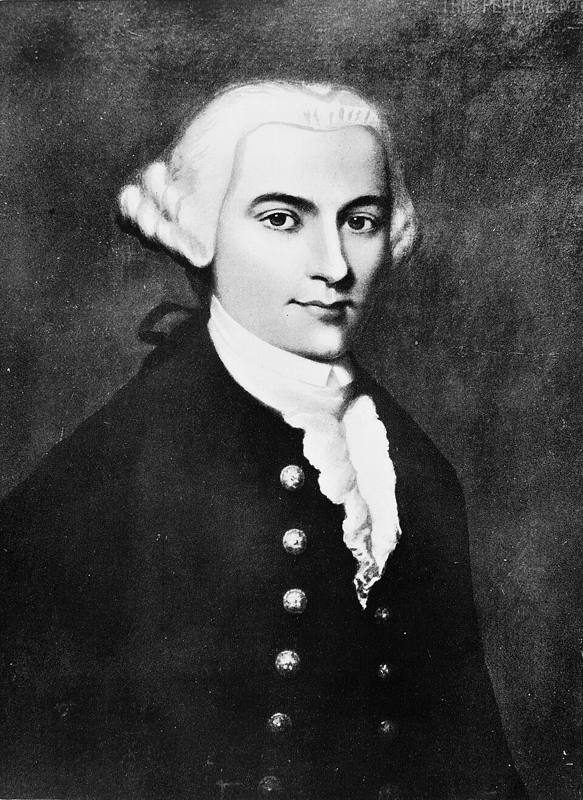
Percival's Medical Ethics (1803)
Percival named Gregory among earlier writers on physicians' duties and set out to go further with a practical code. His Medical Ethics shows the code whose words the American Medical Association later adopted.
Read this moment
Read next · led to
Percival's Medical Ethics (1803)
Percival named Gregory among earlier writers on physicians' duties and set out to go further with a practical code. His Medical Ethics shows the code whose words the American Medical Association later adopted.
Read this moment
 Today on The Clinical Times
Love to Dream recalls portable baby sound machine over fire and burn risk
Love to Dream has recalled its portable Sleep Machine because its lithium-ion battery can overheat while charging with an incompatible charger, creating a risk of fire and burns.
Read today’s top stories
Today on The Clinical Times
Love to Dream recalls portable baby sound machine over fire and burn risk
Love to Dream has recalled its portable Sleep Machine because its lithium-ion battery can overheat while charging with an incompatible charger, creating a risk of fire and burns.
Read today’s top stories
All 526 moments in the history of medicine. This one is in chapter 3, Anatomy and observation
Connected moments
How this moment links to others in the history of medicine, and what you will find in each.
-
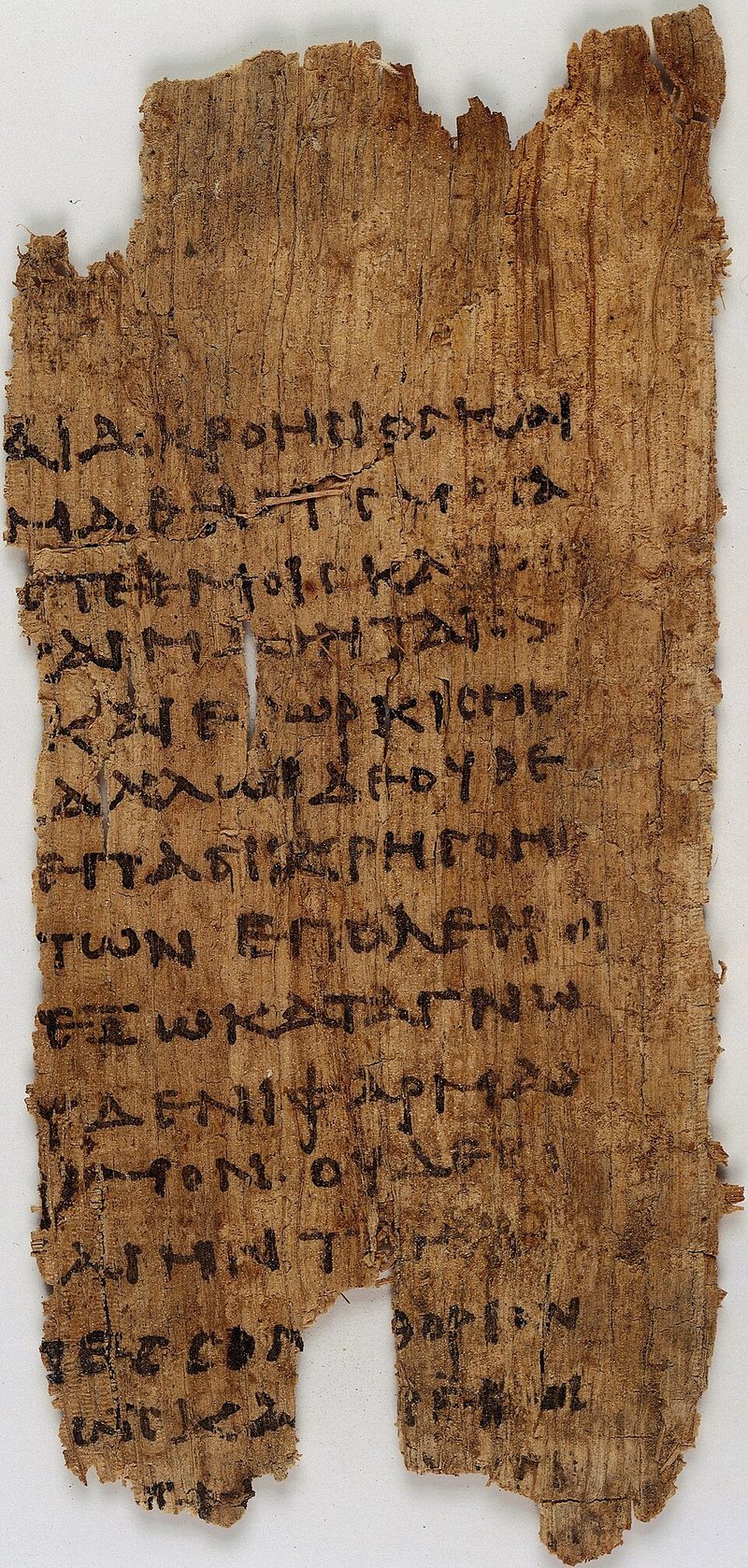 Same disease or problemc. 400 BCEThe Hippocratic OathGregory named secrecy among a physician's duties, as the Hippocratic oath had required. The oath shows the ancient version of these duties: act for the sick, avoid harm and keep patients' secrets.Read this moment
- Same disease or problem1999To Err Is HumanGregory told physicians to admit and correct their mistakes, and a 1999 report showed how many patients such errors killed. It estimated 44,000 to 98,000 deaths a year in US hospitals and put patient safety on the agenda.Read this moment