Patients & Rights
1999
To Err Is Human
The Institute of Medicine estimated that medical errors killed 44,000 to 98,000 people a year in US hospitals and called for errors to be cut by half within five years. The report put patient safety on the public and professional agenda.
Key people
- William C. Richardson
- Chair of the Institute of Medicine committee that wrote the report
- Linda T. Kohn
- Co-editor of the report
Source
The Institute of Medicine opened its report on medical error with three cases that had made headlines: Betsy Lehman, a Boston Globe health reporter, killed by a chemotherapy overdose; Willie King, who lost the wrong leg to amputation; and Ben Kolb, eight, who died during minor surgery after a drug mix-up. Such cases, the committee warned, were only the visible part of the problem.
Its estimates came from two large studies of hospital care. Adverse events occurred in 2.9 percent of hospitalizations in Colorado and Utah and in 3.7 percent in New York; 6.6 percent and 13.6 percent of those events led to death, and more than half came from preventable errors. Applied to the 33.6 million US hospital admissions of 1997, the Colorado and Utah figures implied at least 44,000 deaths a year, and the New York figures as many as 98,000. Even the lower number exceeded yearly deaths from motor vehicle accidents (43,458), breast cancer (42,297) or AIDS (16,516). Medication errors alone were thought to cause more than 7,000 deaths a year, and preventable adverse events cost the country an estimated $17 billion to $29 billion.
The Committee on Quality of Health Care in America, chaired by William C. Richardson of the W.K. Kellogg Foundation, dated its preface November 1999; the book, edited by Linda Kohn, Janet Corrigan and Molla Donaldson, carries a 2000 publication date. Its central argument was that the health care system had to be designed for safety at every level, and that building safety into processes of care would reduce errors more than blaming individuals.
The committee laid out four tiers of action: a national focus on safety research and leadership; mandatory reporting of serious errors alongside voluntary reporting; higher standards set by oversight bodies, purchasers and professional groups; and safe practices inside hospitals and clinics. It asked Congress to create a Center for Patient Safety within the Agency for Healthcare Research and Quality, and it said it would be irresponsible to expect anything less than a 50 percent reduction in errors over five years. The agency's Patient Safety Network later wrote that the report placed medical mistakes on the public and professional agenda.
Keep exploring
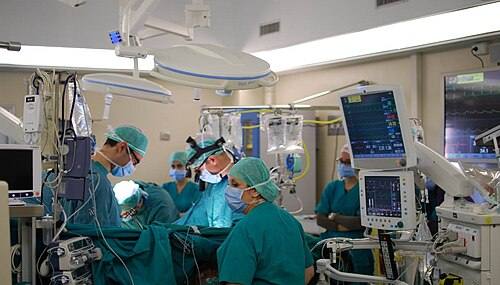 Read next · same disease or problem
WHO Surgical Safety Checklist (2009)
To Err Is Human argued for building safety into processes of care, and the surgical checklist did exactly that. The checklist entry shows deaths and complications falling in eight hospitals worldwide.
Read this moment
Read next · same disease or problem
WHO Surgical Safety Checklist (2009)
To Err Is Human argued for building safety into processes of care, and the surgical checklist did exactly that. The checklist entry shows deaths and complications falling in eight hospitals worldwide.
Read this moment
 Today on The Clinical Times
Love to Dream recalls portable baby sound machine over fire and burn risk
Love to Dream has recalled its portable Sleep Machine because its lithium-ion battery can overheat while charging with an incompatible charger, creating a risk of fire and burns.
Read today’s top stories
Today on The Clinical Times
Love to Dream recalls portable baby sound machine over fire and burn risk
Love to Dream has recalled its portable Sleep Machine because its lithium-ion battery can overheat while charging with an incompatible charger, creating a risk of fire and burns.
Read today’s top stories
All 526 moments in the history of medicine. This one is in chapter 6, Trials, scanners and rights
Connected moments
How this moment links to others in the history of medicine, and what you will find in each.
-
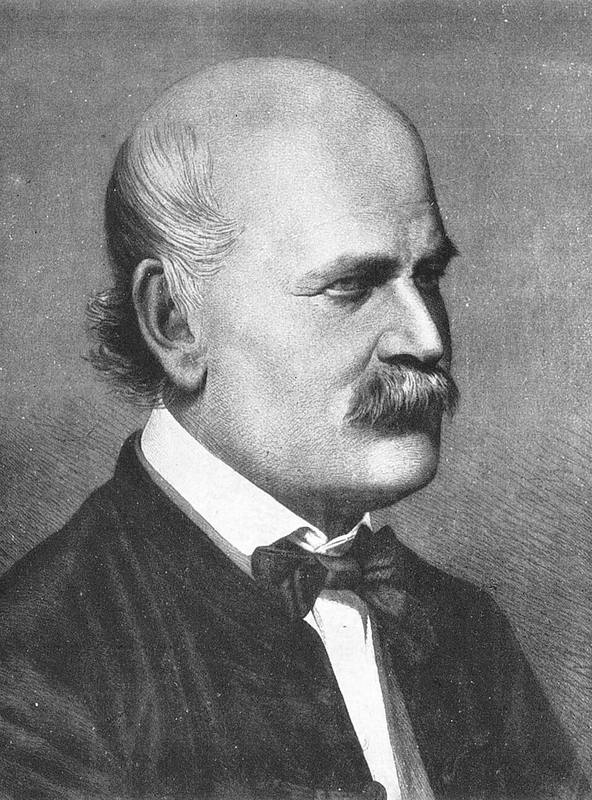 Same disease or problem1847Hand washing prevents childbed feverBoth exposed deaths caused by medical care itself, errors in 1999 and doctors' unwashed hands in 1847. Semmelweis's entry shows hand washing cutting maternity deaths from 18 to 2 percent.Read this moment
-
 Same disease or problem1966National Halothane StudyThe halothane study found death rates differing among hospitals, an early look at the variation and harm the 1999 report later counted. That entry shows 800,000 anesthetics pooled across 34 hospitals.Read this moment