Foundational Discovery
c. 250 BCE
The Yellow Emperor's Inner Classic
China's earliest surviving medical classic, credited by tradition to the Yellow Emperor but written by many physicians from the Warring States period into the Han dynasty, set out the theory of qi, the organs, the channels and acupuncture.
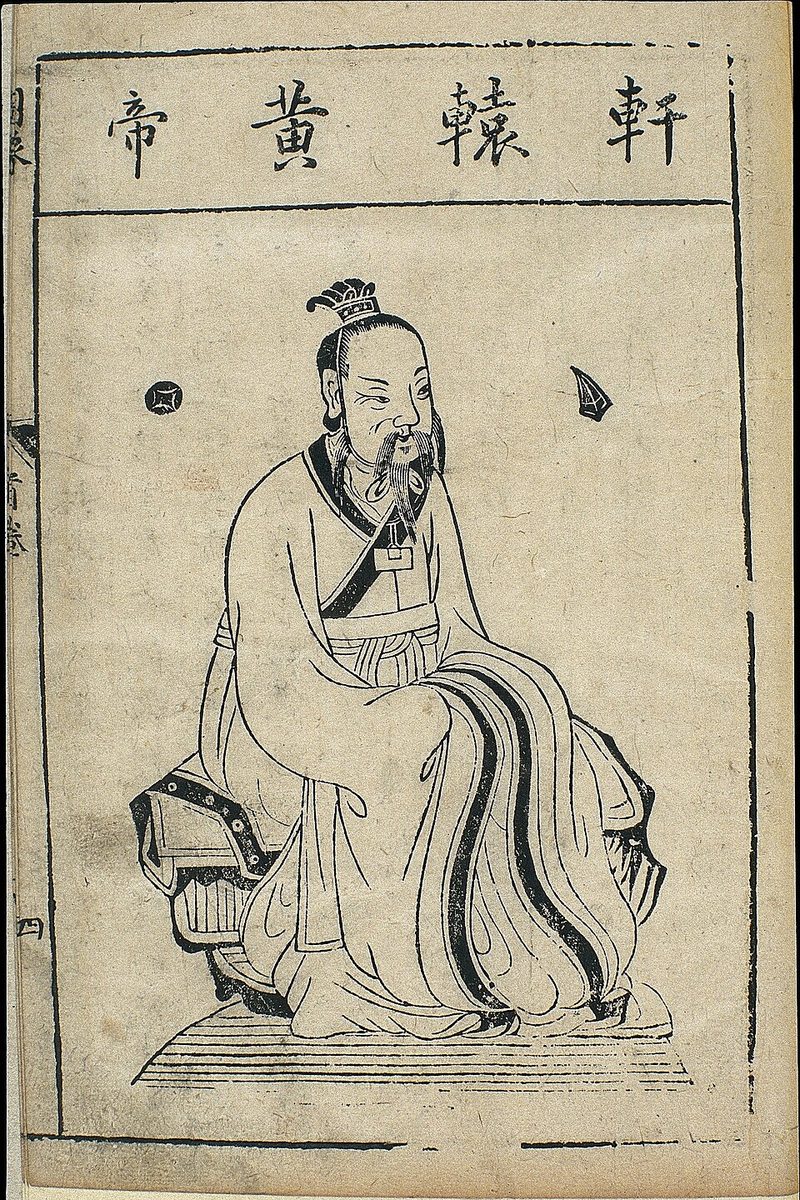
Key people
- Huangdi (the Yellow Emperor)
- Ruler of Chinese tradition to whom the book is attributed
- Lin Yi
- Northern Song scholar who helped revise the text after 1057
Source
Chinese tradition credits the Inner Classic to Huangdi, the Yellow Emperor, honored as the father of Chinese civilization. The book was in fact the work of many physicians. China's nomination of the text to UNESCO's Memory of the World describes it as compiled mainly during the Warring States period, 475 to 221 BCE, with additions and revisions under the Qin and Han dynasties.
It has two parts of 81 chapters each. The Plain Questions (Suwen) covers the preservation of health, physiology, the causes and course of disease, diagnosis and the principles of treatment, including the circulation of qi, all within the idea that the body and nature form one whole. The Miraculous Pivot (Lingshu) describes the structure of the body and its organs, the channels, the location of acupuncture points and the methods of acupuncture and moxibustion. Chinese medicine as a whole rested on the pairing of yin and yang; health, as the National Library of Medicine puts it, was believed to come from a balance between them.
The title appears in the bibliography of the official history of the Han dynasty, which lists seven medical classics; the Inner Classic is the only one that survives. In 1057 the Northern Song government set up a bureau to revise medical works, and its scholars, among them Lin Yi, Gao Baoheng and Sun Qi, edited the text.
The copy registered by UNESCO was printed from carved wooden blocks in 1339 by Hu's Gulin Sanctum and has been in the National Library of China since 1954. The nomination calls the book the origin of Japanese Kampo, traditional Korean medicine and Vietnamese medicine, and since the mid-20th century it has been translated into English and other languages.
Keep exploring
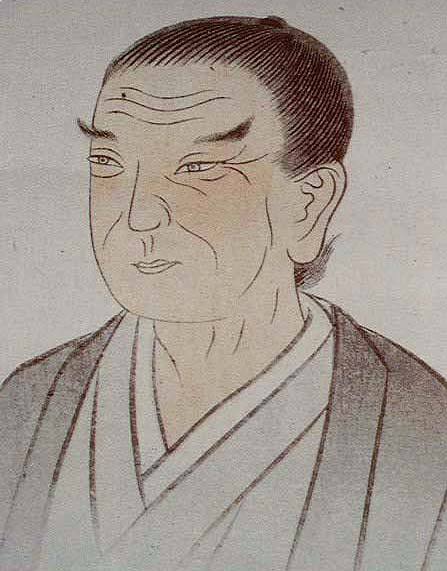 Read next · led to
Kaitai Shinsho, Western anatomy in Japanese (1774)
This classic is called the origin of Japanese kampo medicine, whose Chinese anatomy Kaitai Shinsho challenged in 1774. That story shows Japanese physicians translating a Dutch anatomy book and coining Japanese words for the body's structures.
Read this moment
Read next · led to
Kaitai Shinsho, Western anatomy in Japanese (1774)
This classic is called the origin of Japanese kampo medicine, whose Chinese anatomy Kaitai Shinsho challenged in 1774. That story shows Japanese physicians translating a Dutch anatomy book and coining Japanese words for the body's structures.
Read this moment
 Today on The Clinical Times
Love to Dream recalls portable baby sound machine over fire and burn risk
Love to Dream has recalled its portable Sleep Machine because its lithium-ion battery can overheat while charging with an incompatible charger, creating a risk of fire and burns.
Read today’s top stories
Today on The Clinical Times
Love to Dream recalls portable baby sound machine over fire and burn risk
Love to Dream has recalled its portable Sleep Machine because its lithium-ion battery can overheat while charging with an incompatible charger, creating a risk of fire and burns.
Read today’s top stories
All 526 moments in the history of medicine. This one is in chapter 1, The ancient world
Connected moments
How this moment links to others in the history of medicine, and what you will find in each.
-
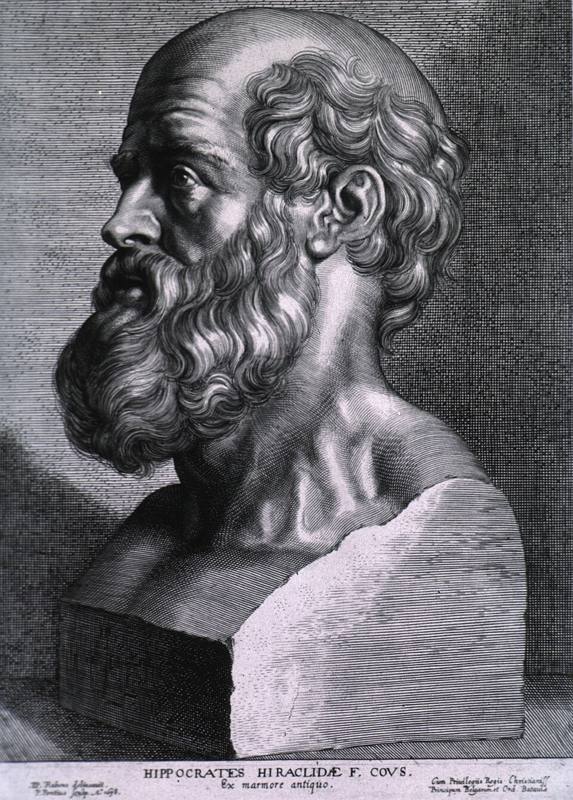 Same disease or problemc. 400 BCEThe Hippocratic CorpusBoth explained health as a balance, yin and yang in Chinese medicine and the humors in Greek medicine. The Corpus shows the Greek side: illness explained by diet, climate and water, and epilepsy given a natural cause in the brain.Read this moment
-
 Same disease or problemc. 100 BCEThe Charaka SamhitaBoth classics set out a whole medical system, covering the preservation of health as well as diagnosis and treatment. The Charaka Samhita shows the Indian version, with diet, daily routine, drugs and an oath for medical students.Read this moment