Surgery & Anesthesia
c. 1600 BCE
The Edwin Smith Surgical Papyrus
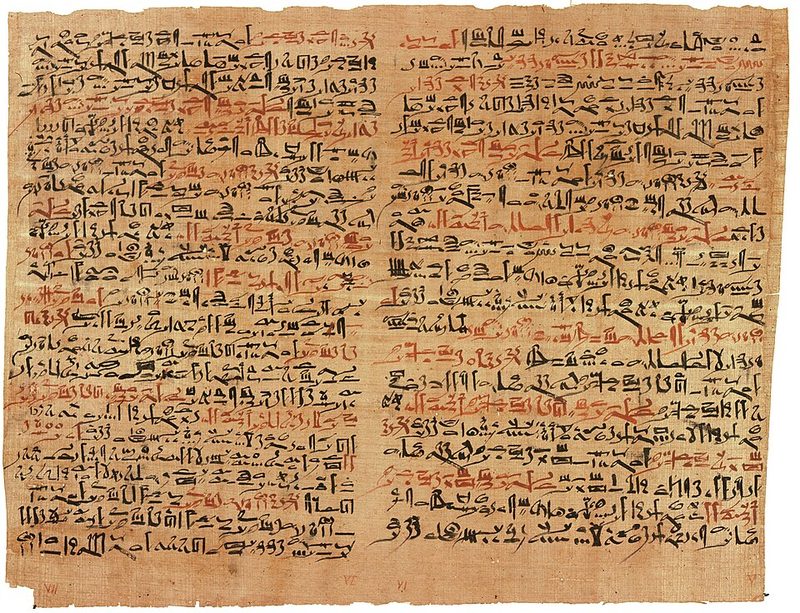
An Egyptian scroll written about 1600 BCE sets out 48 cases of wounds and injuries, each with an examination, diagnosis, prognosis and treatment. It is one of the oldest surviving medical texts and contains the first known written word for the brain.
Key people
- Edwin Smith
- American Egyptologist who bought the papyrus at Thebes in 1862
- James Henry Breasted
- University of Chicago Egyptologist who published the 1930 translation
Source
In 1862 the American Egyptologist Edwin Smith, then living at Thebes, bought a medical papyrus in Egypt. It was a single scroll about 15 feet long with some loose fragments, written in hieratic, the cursive form of Egyptian hieroglyphs, in about 1600 BCE. The text ran in 17 columns. After Smith died in 1906 his daughter gave it to the New York Historical Society, where it lay almost unnoticed for years until it was brought to the attention of James Henry Breasted of the University of Chicago.
The main text is a surgeon's manual of 48 cases of wounds and trauma. Every case follows the same plan: a description of the injury, a diagnosis, a prognosis and a treatment, with explanations that read like footnotes. The author repeatedly discusses injured men he had no hope of saving, out of interest in what could be observed. The papyrus also contains the first known written word for the brain.
The New York Academy of Medicine, which now holds it, notes that this rational approach is unusual among surviving Egyptian medical texts. The other side of the same papyrus carries magical spells and recipes, one of them for turning an old man into a youth.
Breasted published a facsimile, transliteration and translation in two volumes in 1930. At some point in the 19th century the roll had been cut into 10 leaves. The New York Historical lent it to the Brooklyn Museum in 1938, and in 1948 the two institutions gave it to the library of the New York Academy of Medicine. A new translation by James P. Allen, a curator at the Metropolitan Museum of Art, appeared in 2005.
Keep exploring
 Read next · same disease or problem
Prehistoric trepanation (c. 5000 BCE)
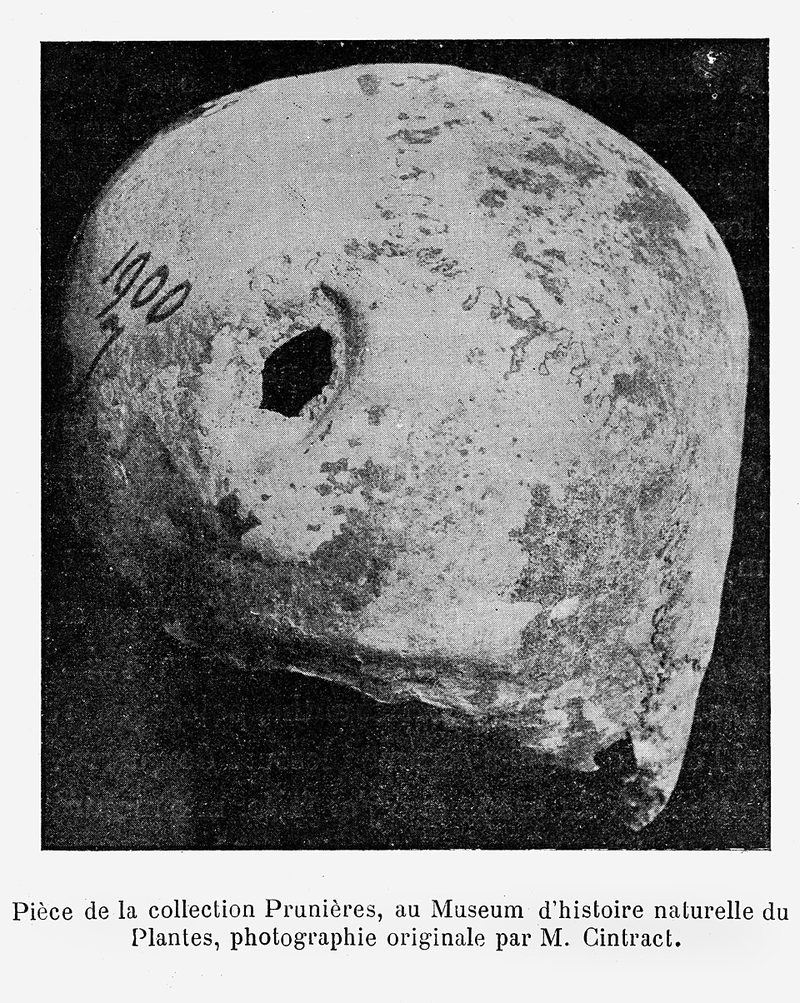
The papyrus is a manual of wounds and trauma, and many prehistoric trepanations seem to have followed head injuries. The trepanation story shows skull surgery thousands of years older, proven by bone that healed after the operation.
Read this moment
Read next · same disease or problem
Prehistoric trepanation (c. 5000 BCE)
The papyrus is a manual of wounds and trauma, and many prehistoric trepanations seem to have followed head injuries. The trepanation story shows skull surgery thousands of years older, proven by bone that healed after the operation.
Read this moment
 Today on The Clinical Times
Love to Dream recalls portable baby sound machine over fire and burn risk
Love to Dream has recalled its portable Sleep Machine because its lithium-ion battery can overheat while charging with an incompatible charger, creating a risk of fire and burns.
Read today’s top stories
Today on The Clinical Times
Love to Dream recalls portable baby sound machine over fire and burn risk
Love to Dream has recalled its portable Sleep Machine because its lithium-ion battery can overheat while charging with an incompatible charger, creating a risk of fire and burns.
Read today’s top stories
All 526 moments in the history of medicine. This one is in chapter 1, The ancient world
Connected moments
How this moment links to others in the history of medicine, and what you will find in each.
-
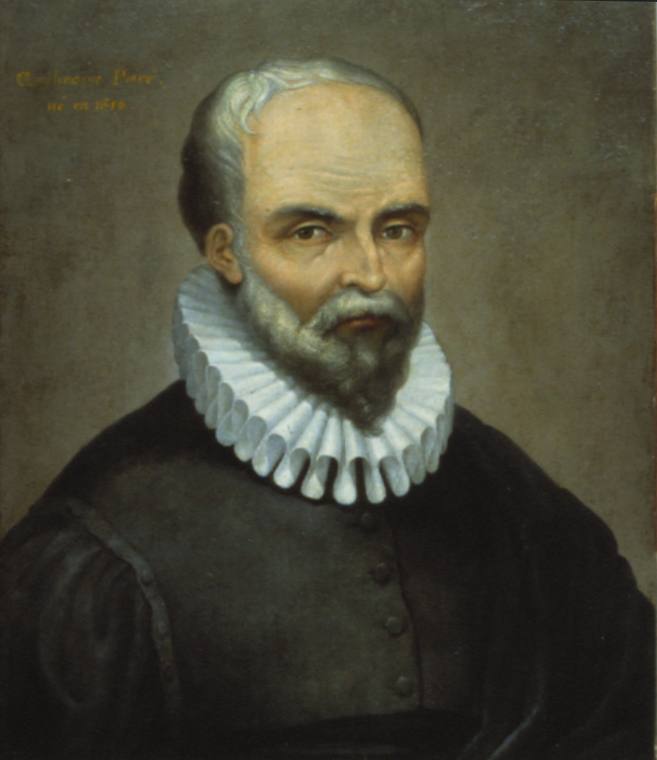 Same disease or problem1545Paré's Treatise on Gunshot WoundsBoth deal with treating wounds, an Egyptian trauma manual and a French army surgeon's method for gunshot wounds. Paré's story shows how watching soldiers spared boiling oil led him to a mild salve and to tying off vessels.Read this moment
- Same disease or problem1966Accidental Death and Disability reportThe papyrus sets out 48 cases of wounds and trauma, and a 1966 report called accidental injury the neglected epidemic of modern society. It shows how exposing poor emergency care helped build modern emergency medical services.Read this moment
-
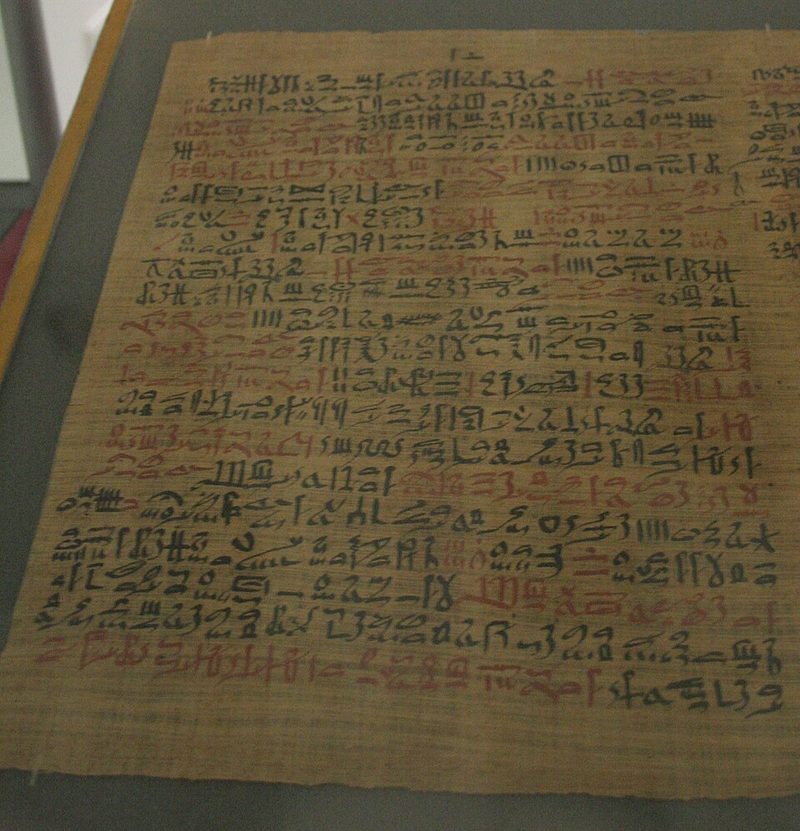 Same disease or problemc. 1550 BCEThe Ebers PapyrusBoth are Egyptian medical scrolls that treat wounds, the Smith papyrus through reasoned cases and the Ebers through remedies and spells. The Ebers scroll is the longest to survive, with nearly 900 prescriptions for about 80 conditions.Read this moment