Patients & Rights
c. 1750 BCE
Medical laws in the Code of Hammurabi
Babylonian laws of about 1750 BCE fixed surgeons' fees by the patient's social rank and set harsh penalties, down to cutting off the surgeon's hands, when an operation killed a patient or destroyed an eye.
Key people
- Hammurabi
- King of Babylon who issued the laws; reigned 1792 to 1750 BCE
- Jacques de Morgan
- Led the excavation that found the stele at Susa, 1901 to 1902
Source
A surgeon who made a large incision with an operating knife and cured the patient, or opened a tumor over the eye and saved the eye, was owed ten shekels. If the patient was a freed man the fee was five shekels, and for a slave the owner paid two. So ran laws 215 to 217 of the code issued by Hammurabi, king of Babylon.
Failure was priced on the same scale. If the patient died under the knife, or the operation destroyed his eye, the surgeon's hands were to be cut off. If the slave of a freed man died, the surgeon had to replace him with another slave, and if the slave lost an eye the surgeon paid half the slave's value. Setting a broken bone or healing a diseased soft part earned five, three or two shekels, again by rank, and separate laws set the fees and penalties of veterinary surgeons who operated on oxen and asses. Another law made a man who wounded someone in a quarrel, and swore he had not meant to, pay the physicians.
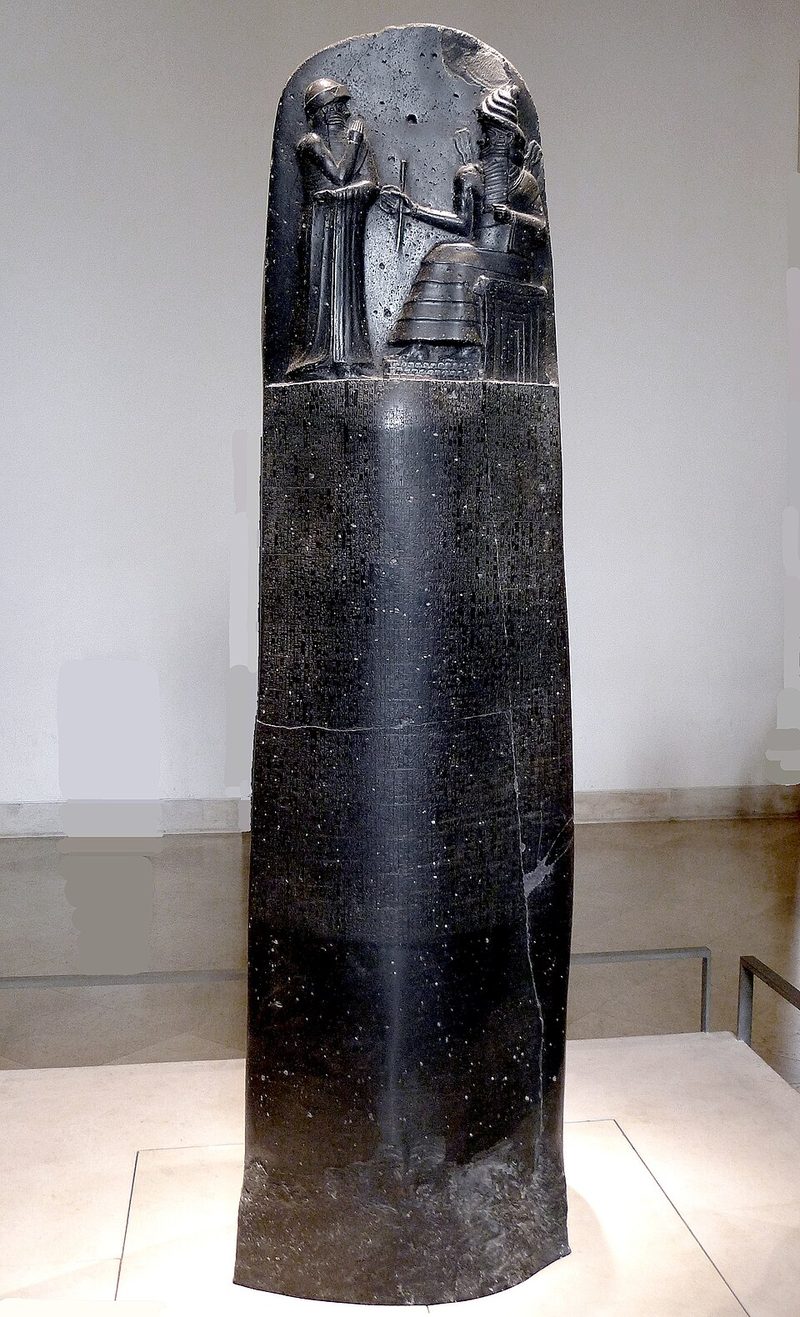
The laws were carved on a basalt stele 2.25 meters tall. At the top a relief shows the god Shamash facing Hammurabi, a scene that gave divine backing to the king's rule and to the judgments below. The prologue says the laws were given so that the strong should not harm the weak. The Louvre dates the stele to Hammurabi's reign, 1792 to 1750 BCE. It was made in Mesopotamia and found at Susa during the excavations led by Jacques de Morgan in 1901 and 1902.
The epilogue shows how little some wounds could be helped. It calls on the goddess Nin-karak to strike any king who defaces the laws with high fever and wounds that cannot be healed, whose nature the physician does not understand and cannot treat with dressings.
Keep exploring
 Read next · same disease or problem
The Hippocratic Oath (c. 400 BCE)
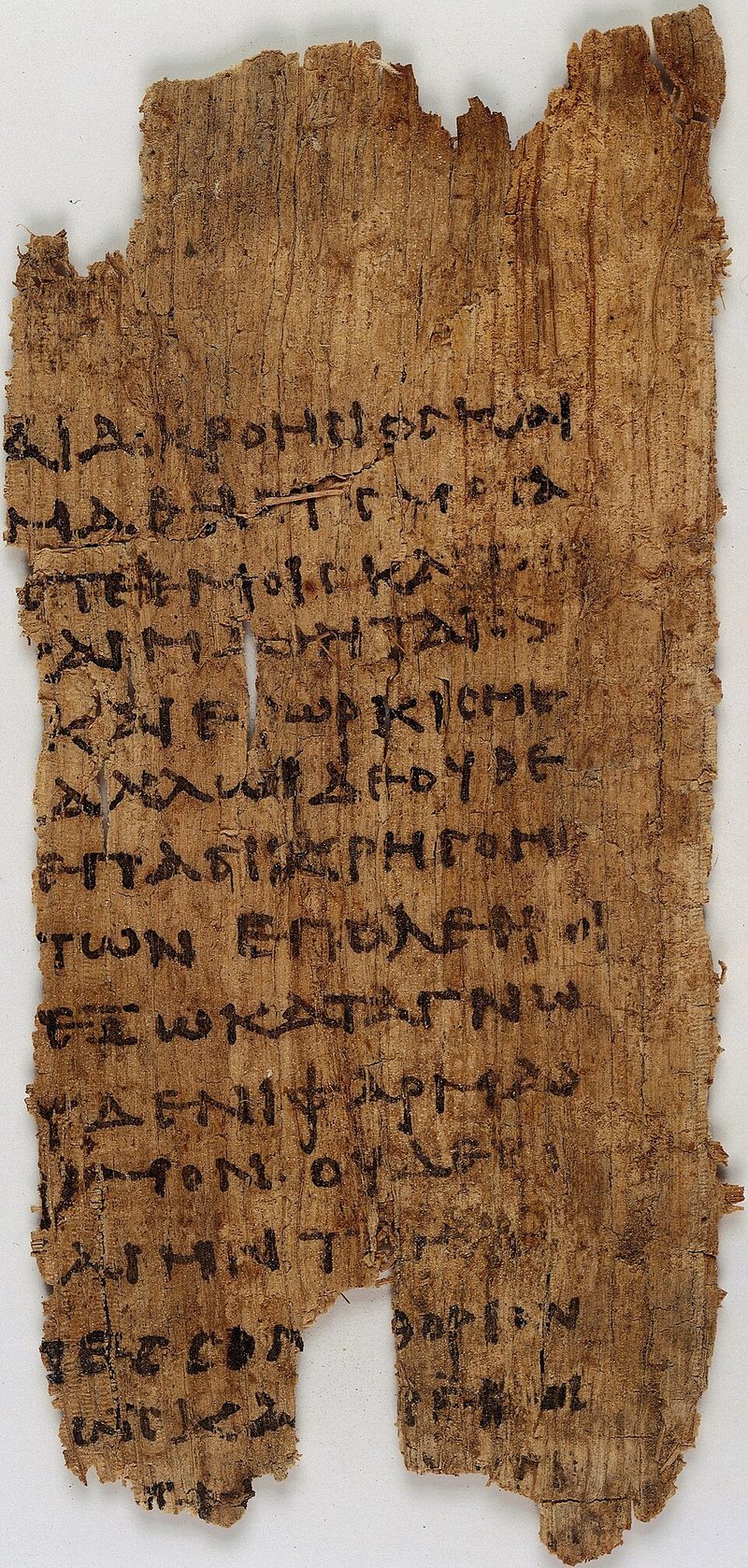
Hammurabi's laws and the Hippocratic oath both set rules for healers, one through fees and punishments, the other through a sworn promise. The oath shows the Greek approach: act for the patient's benefit, avoid harm and keep patients' secrets.
Read this moment
Read next · same disease or problem
The Hippocratic Oath (c. 400 BCE)
Hammurabi's laws and the Hippocratic oath both set rules for healers, one through fees and punishments, the other through a sworn promise. The oath shows the Greek approach: act for the patient's benefit, avoid harm and keep patients' secrets.
Read this moment
 Today on The Clinical Times
Love to Dream recalls portable baby sound machine over fire and burn risk
Love to Dream has recalled its portable Sleep Machine because its lithium-ion battery can overheat while charging with an incompatible charger, creating a risk of fire and burns.
Read today’s top stories
Today on The Clinical Times
Love to Dream recalls portable baby sound machine over fire and burn risk
Love to Dream has recalled its portable Sleep Machine because its lithium-ion battery can overheat while charging with an incompatible charger, creating a risk of fire and burns.
Read today’s top stories
All 526 moments in the history of medicine. This one is in chapter 1, The ancient world
Connected moments
How this moment links to others in the history of medicine, and what you will find in each.
- Same disease or problem1999To Err Is HumanBabylon punished surgeons whose operations killed patients, and a 1999 report counted the patients killed by medical error. It estimated 44,000 to 98,000 such deaths a year in US hospitals and put patient safety on the public agenda.Read this moment
-
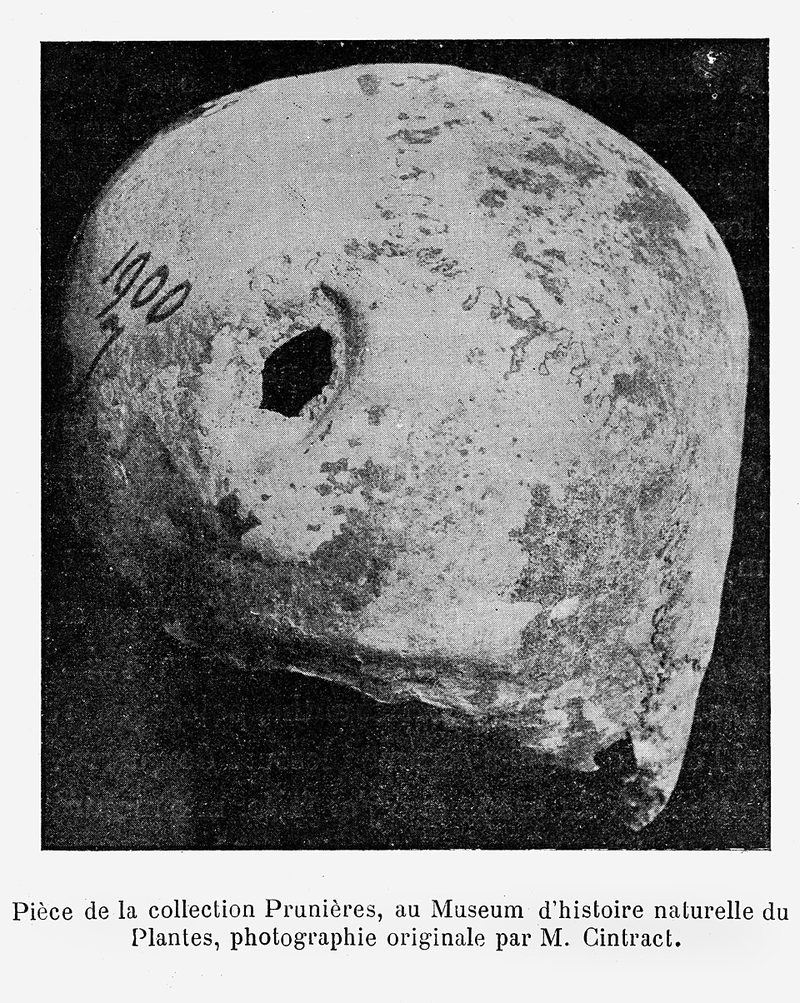 Same disease or problemc. 5000 BCEPrehistoric trepanationBabylon's laws priced the failure of surgery, while healed skulls from prehistoric Europe and Peru measure its success. The trepanation story shows that most patients survived openings cut in their skulls, with survival reaching 83% under the Inca.Read this moment