Surgery & Anesthesia
c. 5000 BCE
Prehistoric trepanation
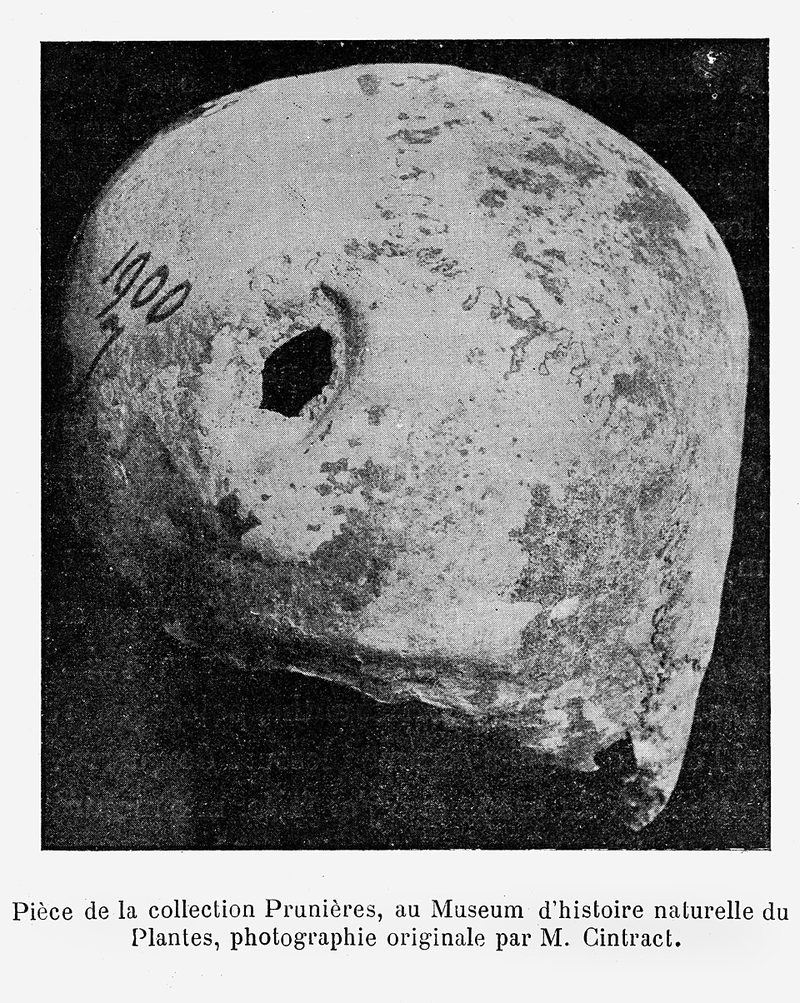
People in Neolithic Europe and ancient Peru cut openings into the skulls of living patients, and many survived. Healed bone shows it: in Inca-period Peru long-term survival averaged 75% to 83%.
Key people
- John W. Verano
- Tulane anthropologist who studied trepanned skulls from Peru
- Kurt W. Alt
- Freiburg University scientist who reported the Ensisheim skull in 1997
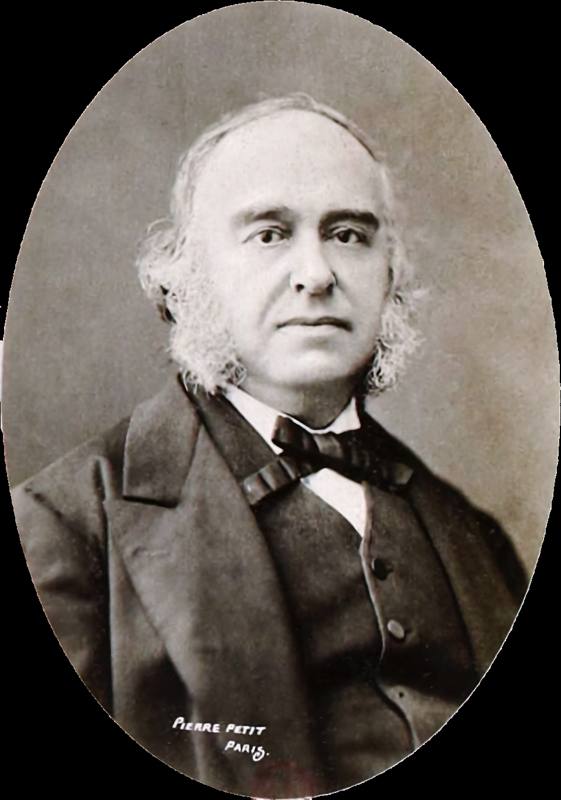
- Paul Broca
- Studied trepanned skulls, beginning with a Peruvian one in 1867
Source
A grave at Ensisheim in Alsace held the skeleton of a man who died at about 50, buried with an arrowhead and an adze of a type dated to 5100 to 4900 BC; a radiocarbon date from the bone agreed. His skull had two large openings. The one toward the front, about 2.6 by 2.4 inches, had healed completely. The other, about 3.7 by 3.6 inches and apparently made by intersecting cuts, had partly healed. The healing showed that he survived both operations. The skull showed no sign of injury or disease that would explain them. Kurt Alt of Freiburg University and colleagues reported it in Nature in 1997 as the earliest unequivocal evidence of trepanation.
Trepanation means scraping, cutting or drilling an opening into the skull. In a 2010 review John Verano and Stanley Finger wrote that it was practised in Europe more than 5,000 years ago and in the Americas from as early as the 5th century BC. Verano has also warned that many published cases rest on a single skull with a healed hole, and that birth defects, injury, infection, tumours and damage in the ground can all leave similar openings. Unhealed cases are easier to judge because the tool marks remain.
More trepanned skulls have been found in Peru than anywhere else. Studying more than 800 of them over nearly three decades, Verano, David Kushner and Anne Titelbaum estimated long-term survival at about 40% in the earliest period, 400 to 200 BC, rising to 91% in samples from AD 1000 to 1400 and averaging 75% to 83% under the Inca. The successful operations were probably shallow and did not pierce the dura mater. In the Cuzco region, Valerie Andrushko and Verano found 109 openings in 66 people from 11 burial sites, made mostly by circular cutting or scraping. Survival there was 83%, with little sign of infection, and many operations seem to have followed head injuries.
For comparison, the same 2018 study put the mortality of cranial surgery in the American Civil War at 46% to 56%. Physicians only began to accept in the mid-19th century that such holes in ancient skulls were surgical and had been made in living people. Paul Broca and Victor Horsley were among the first to write about them, and they disagreed about why the operations were done.
Keep exploring
 Read next · same person
Broca's localization of speech (1861)
Paul Broca was among the first to write about ancient skull holes as surgery done on living people. His own famous case shows him finding damage in the left frontal convolution of a man who could say little but tan.
Read this moment
Read next · same person
Broca's localization of speech (1861)
Paul Broca was among the first to write about ancient skull holes as surgery done on living people. His own famous case shows him finding damage in the left frontal convolution of a man who could say little but tan.
Read this moment
 Today on The Clinical Times
Love to Dream recalls portable baby sound machine over fire and burn risk
Love to Dream has recalled its portable Sleep Machine because its lithium-ion battery can overheat while charging with an incompatible charger, creating a risk of fire and burns.
Read today’s top stories
Today on The Clinical Times
Love to Dream recalls portable baby sound machine over fire and burn risk
Love to Dream has recalled its portable Sleep Machine because its lithium-ion battery can overheat while charging with an incompatible charger, creating a risk of fire and burns.
Read today’s top stories
All 526 moments in the history of medicine. This one is in chapter 1, The ancient world
Connected moments
How this moment links to others in the history of medicine, and what you will find in each.
-
 Same disease or problemc. 1600 BCEThe Edwin Smith Surgical PapyrusMany trepanations seem to have followed head injuries, and the Edwin Smith papyrus is an ancient manual of wounds and trauma. It shows an Egyptian surgeon examining injuries case by case and writing the first known word for the brain.Read this moment
-
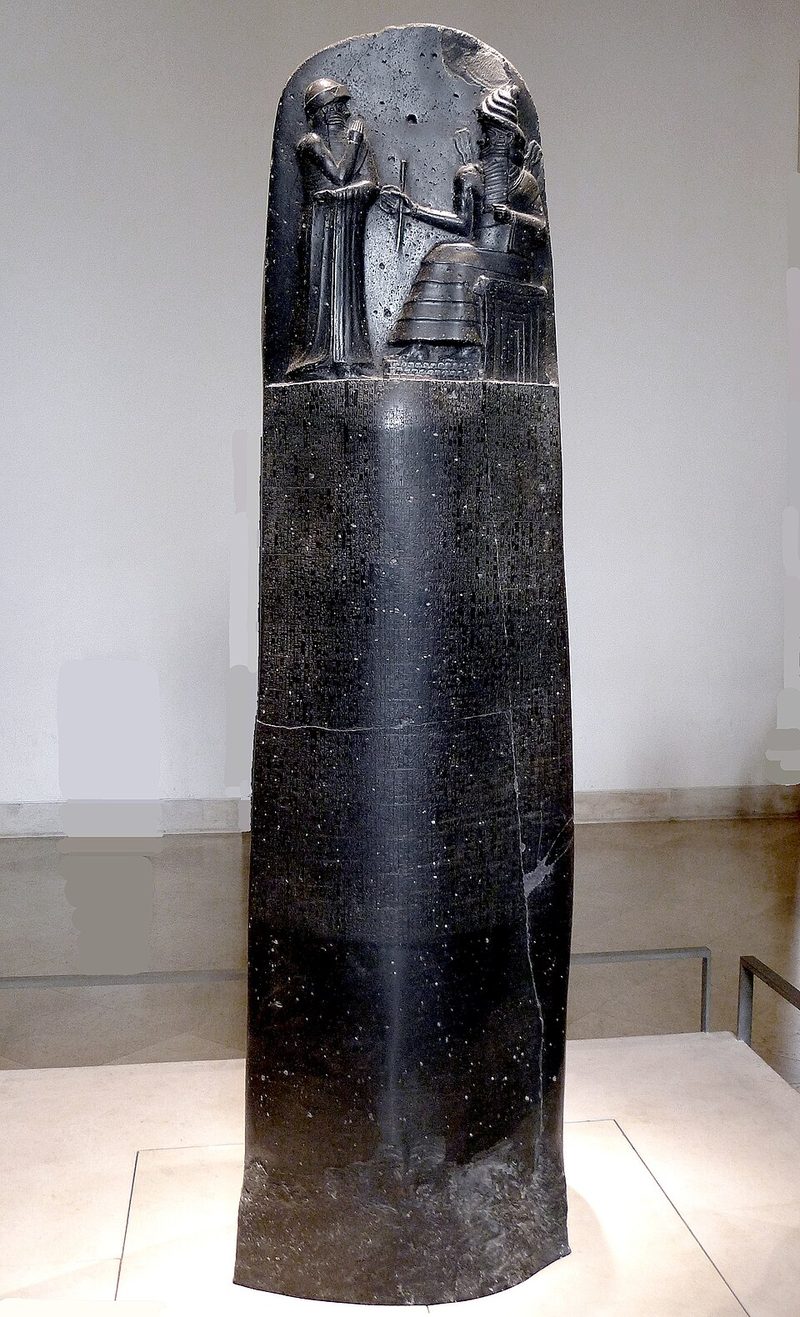 Same disease or problemc. 1750 BCEMedical laws in the Code of HammurabiHealed skulls show that ancient surgery could succeed, while Babylon's laws show what happened when it failed. There the surgeon's fee depended on the patient's rank, and a fatal operation could cost him his hands.Read this moment