Public Health
c. 2500 BCE
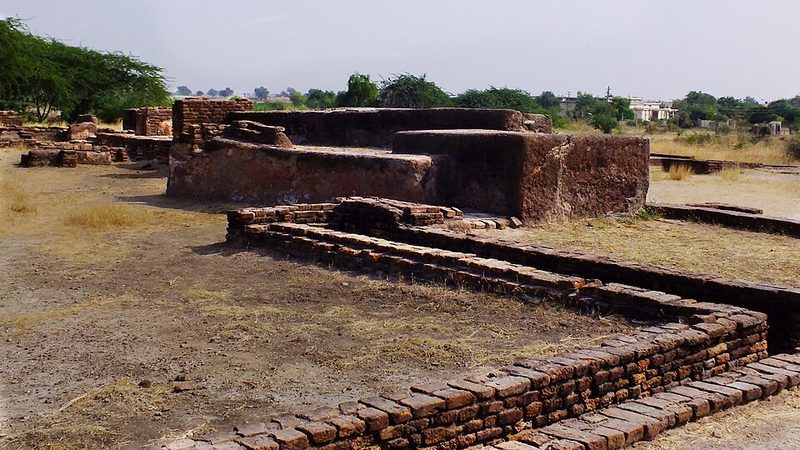
Drains and washing places of the Indus cities
In the third millennium BCE the planned cities of the Indus civilization, such as Mohenjo-daro and Harappa, had drains, paved washing areas in houses, wells and soak pits for sewage. At Harappa, skeletons show infection rising after sanitation declined.
Key people
- Gwen Robbins Schug
- Bioarchaeologist who led the 2013 study of disease at Harappa
- George F. Dales
- Penn Museum field director who described Mohenjo-daro's drainage in 1965
Source
The Indus civilization flourished in the third millennium BCE in what is now Pakistan and northwest India, with a sphere of influence of more than 1,000,000 square kilometers. Its best-preserved city, Mohenjo-daro in Sindh, was discovered in 1922. The lower town was laid out along streets that crossed at right angles, a plan that included systems of sanitation and drainage.
Excavators at Mohenjo-daro describe substantial houses of baked brick with paved washing or toilet areas and the elaborate drainage facilities typical of the civilization. UNESCO's description of the site lists public baths, wells, soak pits for disposing of sewage and an elaborate drainage system. At Harappa, another of the great cities, a sewage drain was built under the southeastern gateway.
The late mature phase, from about 2200 to 1900 BCE, combined planned cities, sanitation facilities and careful water management with long-distance trade and standard weights and measures. After 1900 BCE, in the Late Harappan phase, Harappa's population density fell, settlement pulled back to the core of the city, the plan grew disorganized, and sanitation declined.
Skeletons from Harappa record what followed. In a 2013 study, Gwen Robbins Schug and colleagues found lesions consistent with leprosy in 3.0 percent of the 66 people in the cemetery known as R-37, in 7.7 percent of the 26 in the later Cemetery H, and in 21.7 percent of the 23 in Area G, an ossuary outside the southeastern wall just beyond the sewage drain. Two of the 26 in Cemetery H had lesions consistent with tuberculosis. Infection and infectious disease became more common over time, and the communities that were socially and economically marginal were the most affected.
Keep exploring
 Read next · same disease or problem
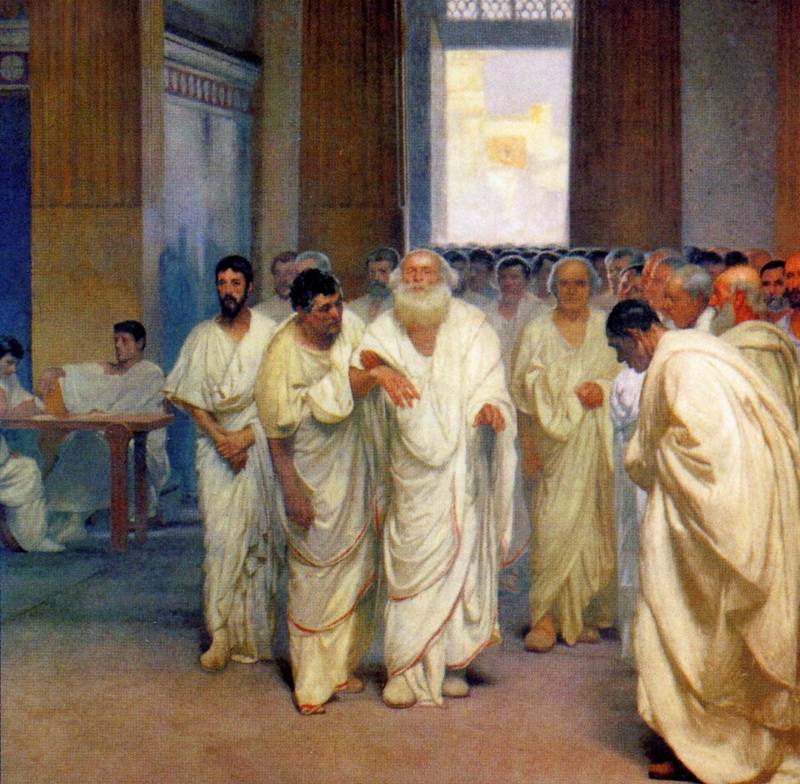
The Aqua Appia, Rome's first aqueduct (312 BCE)
Both are early city water systems, the Indus wells and drains and Rome's first aqueduct. The Roman story shows spring water carried underground into Rome, and a water commissioner who counted the work as a matter of health.
Read this moment
Read next · same disease or problem
The Aqua Appia, Rome's first aqueduct (312 BCE)
Both are early city water systems, the Indus wells and drains and Rome's first aqueduct. The Roman story shows spring water carried underground into Rome, and a water commissioner who counted the work as a matter of health.
Read this moment
 Today on The Clinical Times
Love to Dream recalls portable baby sound machine over fire and burn risk
Love to Dream has recalled its portable Sleep Machine because its lithium-ion battery can overheat while charging with an incompatible charger, creating a risk of fire and burns.
Read today’s top stories
Today on The Clinical Times
Love to Dream recalls portable baby sound machine over fire and burn risk
Love to Dream has recalled its portable Sleep Machine because its lithium-ion battery can overheat while charging with an incompatible charger, creating a risk of fire and burns.
Read today’s top stories
All 526 moments in the history of medicine. This one is in chapter 1, The ancient world
Connected moments
How this moment links to others in the history of medicine, and what you will find in each.
-
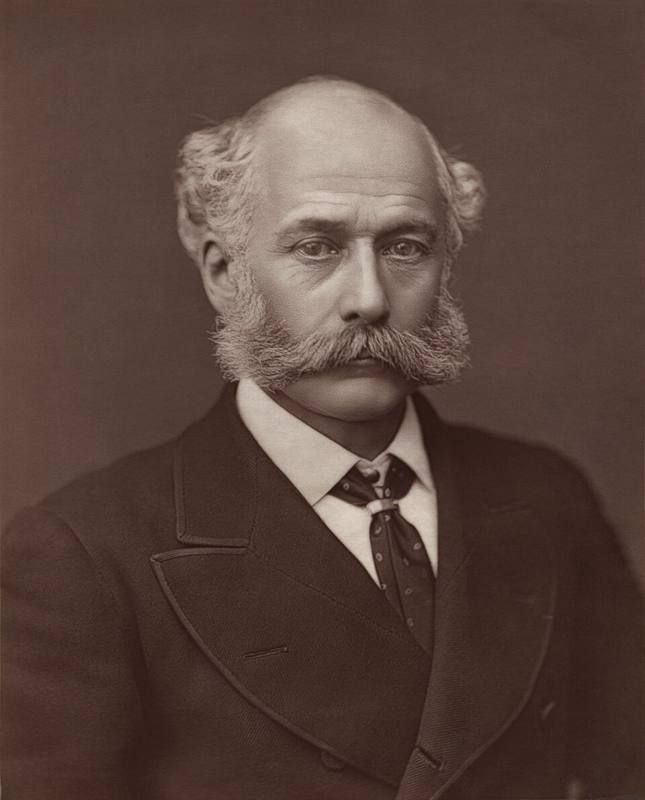 Same disease or problem1858Bazalgette's London sewersThe Indus cities carried sewage away through drains and soak pits, and Victorian London did the same on a vast scale. The London story shows how the stench of the Thames pushed Parliament to build sewers still largely in use.Read this moment
-
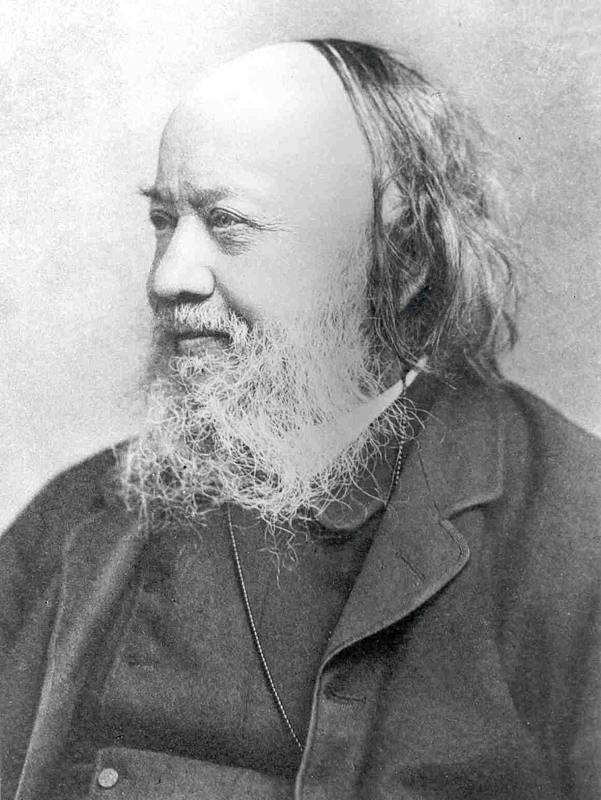 Same disease or problem1842Chadwick's sanitary reportHarappa's skeletons show infection rising, most among the marginal poor, after sanitation declined. Chadwick's report made the same case for Britain with statistics, tying the early deaths of the working poor to their sewers, refuse and water.Read this moment
-
 Same disease or problem1873Hansen's discovery of the leprosy bacillusHarappan skeletons carry lesions consistent with leprosy, which grew more common as the city decayed. Hansen's story shows how the leprosy bacillus was found in 1873, when most physicians still thought the disease was hereditary.Read this moment