Infectious Disease
1873
Hansen's discovery of the leprosy bacillus
In 1873 Gerhard Armauer Hansen, working at a leprosy hospital in Bergen, found rod-shaped bacilli in tissue from leprosy patients and suggested that they caused the disease, at a time when most physicians held that leprosy was hereditary.
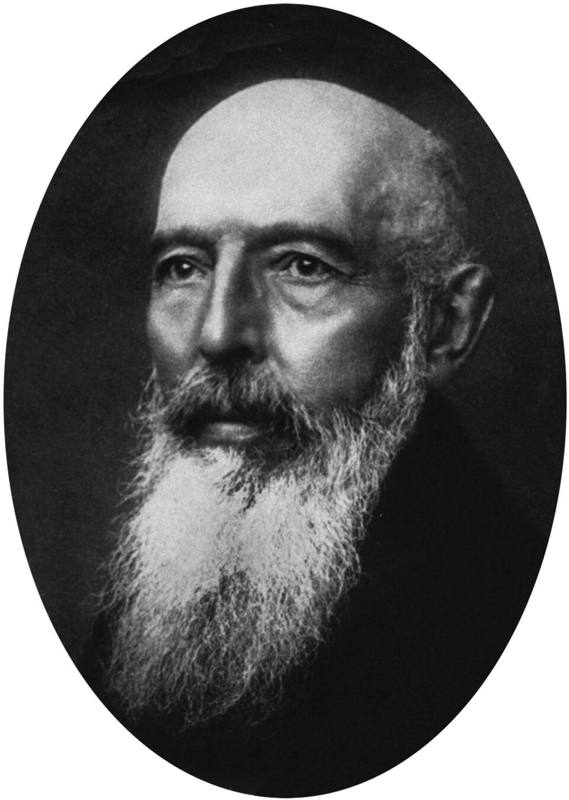
Key people
- Gerhard Armauer Hansen
- Bergen physician who identified the leprosy bacillus in 1873
- Daniel Cornelius Danielssen
- Leprosy authority and Hansen's chief, who held leprosy hereditary
- Albert Neisser
- German bacteriologist who published the bacillus in 1880 and claimed it
Source
Norway was probably the country in Europe worst hit by leprosy in the mid-19th century. In the 1850s about 2 people in every 1,000 had the disease nationally, and as many as 25 per 1,000 in Bergen, which had several leprosy hospitals. The leading authority, Daniel Cornelius Danielssen of the Lungegaard Hospital in Bergen, held with most of his colleagues that leprosy was hereditary.
Gerhard Armauer Hansen (1841 to 1912), a native of Bergen, went to work under Danielssen in 1868 and learned the newest histological methods in Bonn and Vienna. He studied skin, mucous membranes and nerves from leprosy patients. On a February evening in 1873 at the Lungegaard Hospital he saw rod-shaped bodies in the tissue under his microscope. In every leprous nodule he removed from a living patient, he later wrote, small staff-like bodies much like bacteria lay inside many of the cells. He proposed that they caused the disease, and published in Norwegian in 1874 and in English in 1875.
Proof was hard to come by. The bacillus could not be grown in culture, and Hansen could not transmit it to animals. He tried to inoculate the eye of a woman with material from a leprosy patient without her consent, and in 1880 a court found him guilty and he lost his post as resident physician at the Bergen leprosy hospital. That year the German bacteriologist Albert Neisser, who had taken tissue preparations from Hansen in 1879 and stained them more successfully, published the organism as his own discovery. A leprosy conference in Berlin in 1897 recognized Hansen as the discoverer.
Hansen became chief physician for leprosy in Norway in 1875 and proposed the laws of 1877 and 1885 that provided for isolating patients. Norway counted 1,800 people with leprosy in 1875, 575 in 1901 and 160 in 1920.
Keep exploring
 Read next · same disease or problem
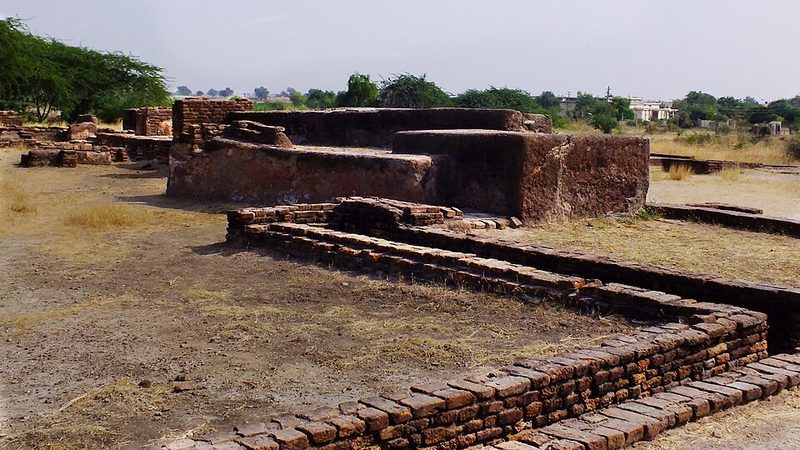
Drains and washing places of the Indus cities (c. 2500 BCE)
Hansen found the leprosy bacillus in 1873, and skeletons from Harappa show leprosy spreading more than 3,500 years earlier. The Indus story shows infection rising as sanitation declined and the poor suffered most.
Read this moment
Read next · same disease or problem
Drains and washing places of the Indus cities (c. 2500 BCE)
Hansen found the leprosy bacillus in 1873, and skeletons from Harappa show leprosy spreading more than 3,500 years earlier. The Indus story shows infection rising as sanitation declined and the poor suffered most.
Read this moment
 Today on The Clinical Times
Love to Dream recalls portable baby sound machine over fire and burn risk
Love to Dream has recalled its portable Sleep Machine because its lithium-ion battery can overheat while charging with an incompatible charger, creating a risk of fire and burns.
Read today’s top stories
Today on The Clinical Times
Love to Dream recalls portable baby sound machine over fire and burn risk
Love to Dream has recalled its portable Sleep Machine because its lithium-ion battery can overheat while charging with an incompatible charger, creating a risk of fire and burns.
Read today’s top stories
All 526 moments in the history of medicine. This one is in chapter 4, Germs, numbers and clean water
Connected moments
How this moment links to others in the history of medicine, and what you will find in each.
-
 Same disease or problemc. 372 CEBasil's hospital at CaesareaHansen worked in Bergen's leprosy hospitals, and fifteen centuries earlier Basil took in lepers driven from their towns. Basil's story shows a complex outside Caesarea that some historians call the first hospital.Read this moment
-
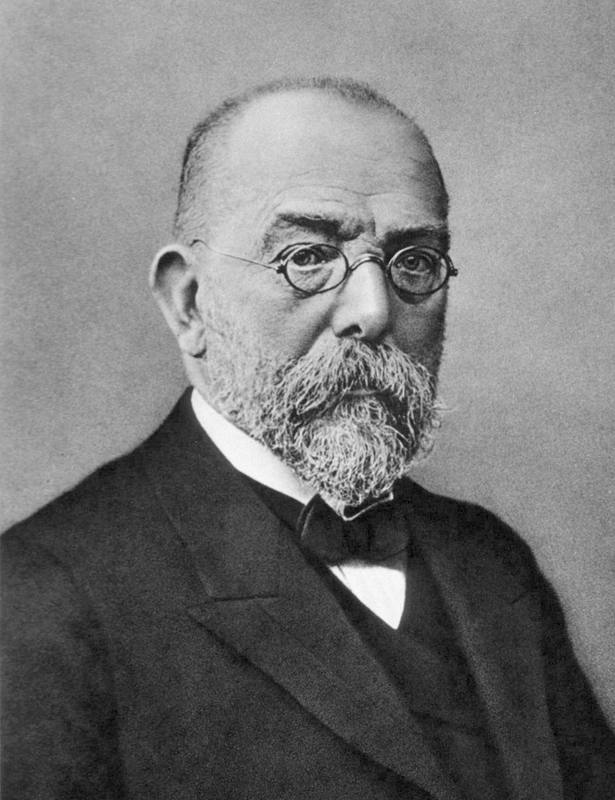 Same disease or problem1882Koch's Discovery of the Tubercle BacillusBoth tied a long, wasting disease to a rod shaped bacillus, but Hansen's could not be grown in culture while Koch's could. Koch's story shows the staining and culture methods that proved the cause of tuberculosis.Read this moment
-
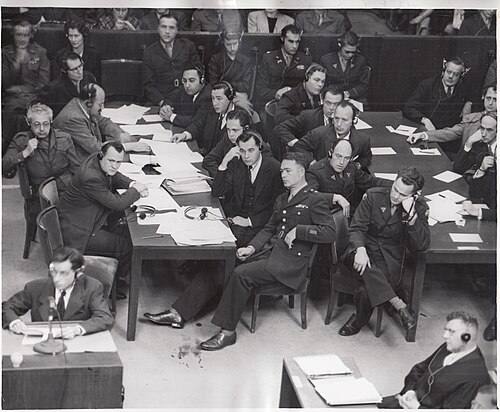 Same disease or problem1947The Nuremberg CodeHansen tried to inoculate a woman's eye with leprosy material without her consent and lost his hospital post. The Nuremberg Code shows the principle written into law in 1947, that voluntary consent is the first rule of human research.Read this moment