Infectious Disease
1876
Koch and the anthrax bacillus
Working from a country practice, Robert Koch grew the anthrax bacillus in pure culture, found that it formed resistant spores, and showed that cultured bacilli that had never touched an animal still caused anthrax. His 1876 paper tied the disease to one microbe by experiment.
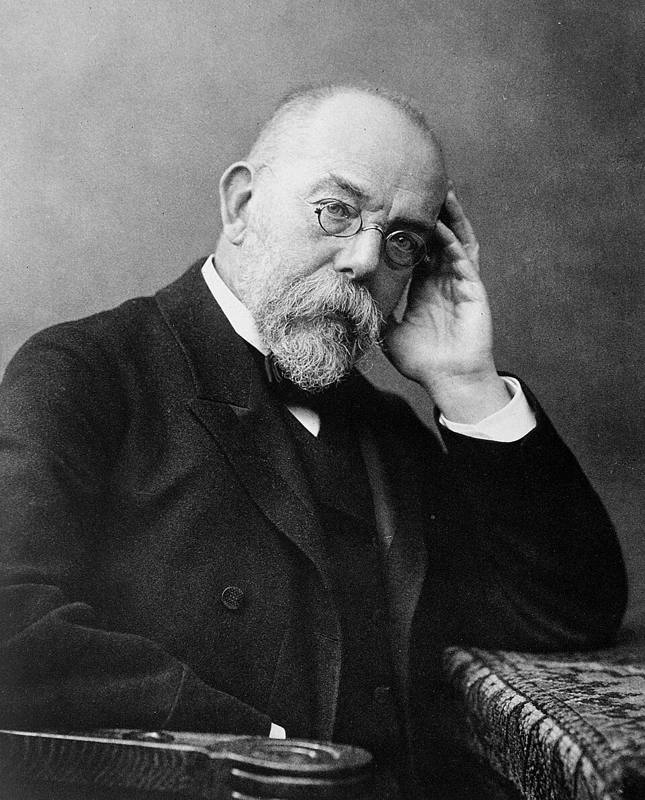
Key people
- Robert Koch
- District medical officer at Wollstein who proved the anthrax bacillus causes anthrax
- Ferdinand Cohn
- Breslau botanist who arranged Koch's demonstration and published his paper
Source
Anthrax was common among farm animals around Wollstein, where Robert Koch was district medical officer from 1872 to 1880. Pollender, Rayer and Davaine had already described the anthrax bacillus, and others had passed the disease on with the blood of sick animals. Koch, cut off from libraries and other scientists and working around a busy practice, set out to prove that the bacillus itself caused the disease.
His laboratory was the four-room flat where he lived, and apart from a microscope his wife gave him he supplied his own equipment. Using home-made slivers of wood, he inoculated mice with material from the spleens of animals that had died of anthrax. Those mice died, while mice given spleen blood from healthy animals stayed well. The Science Museum's account adds that he repeated the transfer through 20 generations of mice.
That still left open whether the bacillus alone was responsible. Koch grew it in pure culture in the aqueous humour of ox eyes, watched it multiply, and drew and photographed what he saw. When conditions turned against them, especially for lack of oxygen, the bacilli formed round, resistant spores, which became bacilli again when conditions improved. Bacilli kept for several generations in culture, with no contact with any animal, could still cause anthrax.
Koch took his results to Ferdinand Cohn, professor of botany at Breslau, who called colleagues, among them the pathologist Cohnheim, to watch a demonstration. Cohn published the paper in 1876 in the botanical journal he edited, and Koch became famous almost at once. He stayed in Wollstein four more years, improving ways to fix, stain and photograph bacteria, and he later made solid growth media from broth set with gelatine or agar, which others used to find the causes of tetanus and plague.
Keep exploring
 Read next · same disease or problem
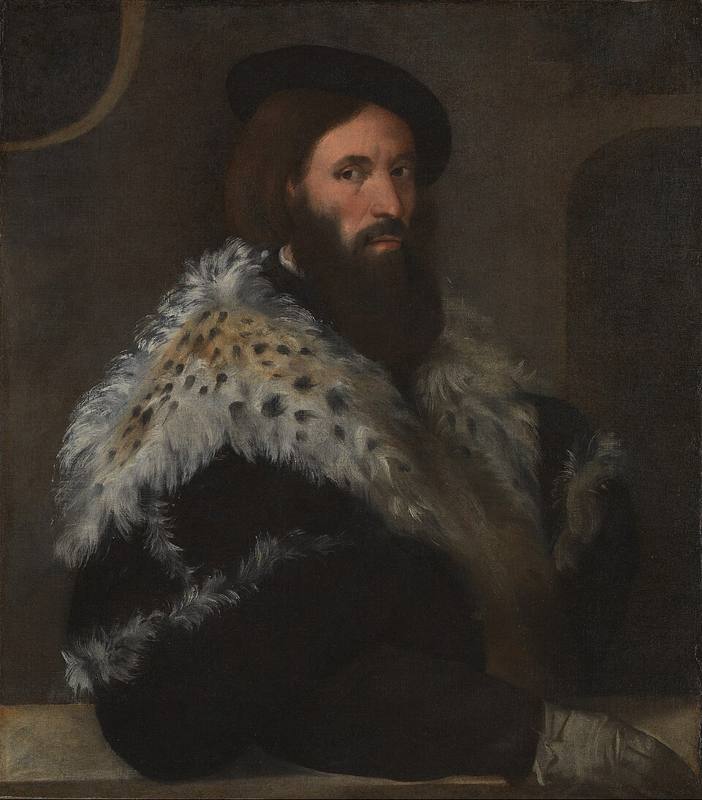
Fracastoro's De Contagione (1546)
Fracastoro likened his seeds of contagion to spores, and Koch found real spores that let the anthrax bacillus survive. Fracastoro's story shows the theory of contagion that shaped thinking for three hundred years.
Read this moment
Read next · same disease or problem
Fracastoro's De Contagione (1546)
Fracastoro likened his seeds of contagion to spores, and Koch found real spores that let the anthrax bacillus survive. Fracastoro's story shows the theory of contagion that shaped thinking for three hundred years.
Read this moment
 Today on The Clinical Times
Love to Dream recalls portable baby sound machine over fire and burn risk
Love to Dream has recalled its portable Sleep Machine because its lithium-ion battery can overheat while charging with an incompatible charger, creating a risk of fire and burns.
Read today’s top stories
Today on The Clinical Times
Love to Dream recalls portable baby sound machine over fire and burn risk
Love to Dream has recalled its portable Sleep Machine because its lithium-ion battery can overheat while charging with an incompatible charger, creating a risk of fire and burns.
Read today’s top stories
All 526 moments in the history of medicine. This one is in chapter 4, Germs, numbers and clean water
Connected moments
How this moment links to others in the history of medicine, and what you will find in each.
-
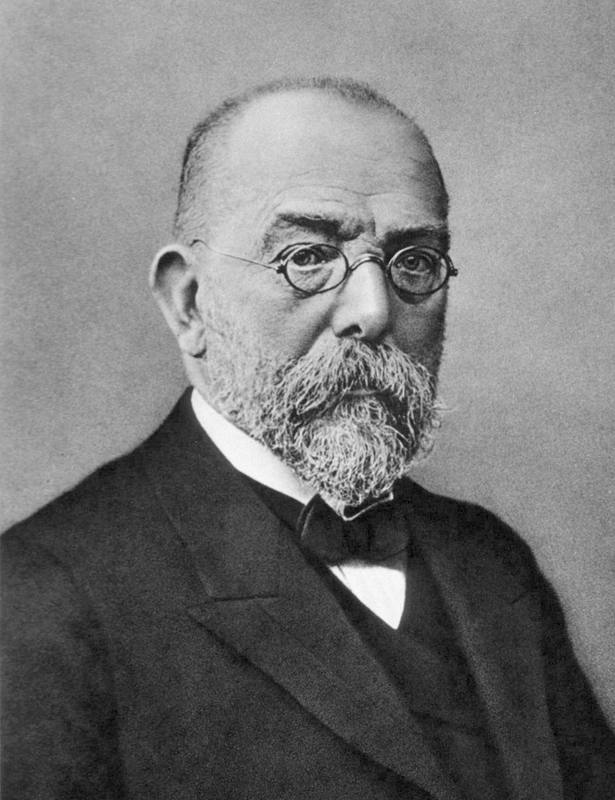 Same person1882Koch's Discovery of the Tubercle BacillusKoch took the methods he built for anthrax to Berlin and used them to find the cause of tuberculosis. That story shows the new stain, the pure cultures and the evidence later called Koch's postulates.Read this moment
-
 Same disease or problem2001The 2001 anthrax lettersKoch showed that anthrax bacilli form resistant spores, and in 2001 such spores were sent through the mail as a weapon. That story shows postal workers among the dead and a hunt through hospitals and postal centres.Read this moment
-
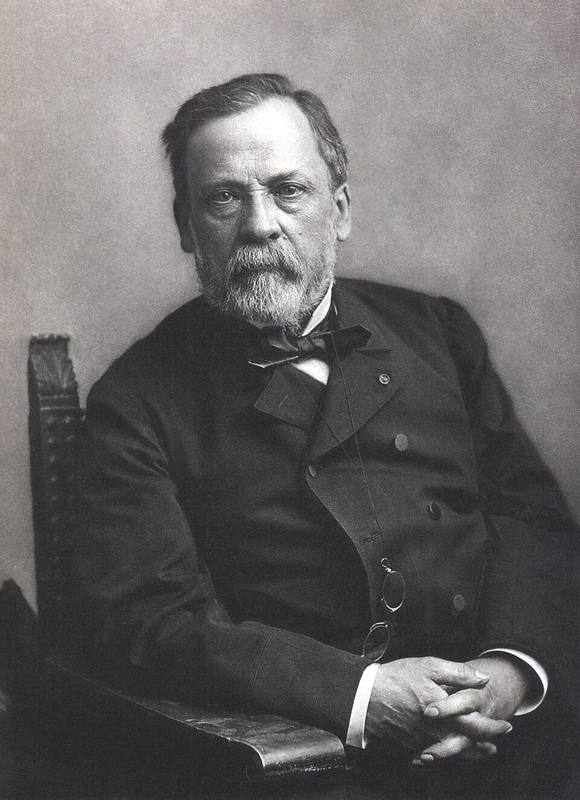 Same disease or problem1861Pasteur's refutation of spontaneous generationKoch's German school and Pasteur's French school raced to tie microbes to disease. Pasteur's story shows the swan neck flasks proving that microbes come only from other microbes.Read this moment