Public Health
2001
The 2001 anthrax letters
Anthrax letters sent through the US mail in the autumn of 2001 caused 22 cases and 5 deaths; 20 of the patients handled mail or worked where it was processed or received. About 10,000 people were offered at least 60 days of antibiotics.
Key people
- Daniel B. Jernigan
- CDC epidemiologist, first author of the national investigation report
- Bruce Ivins
- Army scientist the Justice Department named as sole perpetrator
Source
On 4 October 2001 laboratory tests confirmed inhalational anthrax in a 63-year-old photo editor at American Media Inc. in Florida. It was the first inhalational case in the United States since 1976, and he died. The CDC and state and local health departments began searching hospitals and laboratories for more cases.
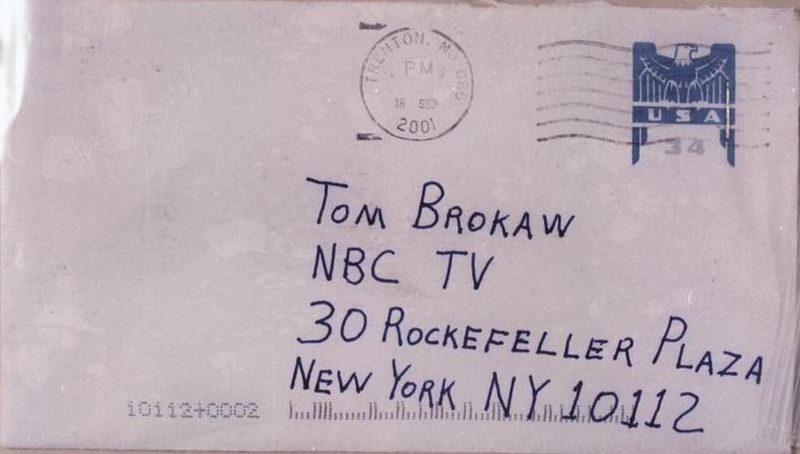
The spores had come by mail. Two envelopes postmarked 18 September, addressed to the NBC news anchor Tom Brokaw and to the editor of the New York Post, and two postmarked 9 October, addressed to Senators Tom Daschle and Patrick Leahy in Washington, had been mailed in or around Trenton, New Jersey. The letters inside included the string 09-11-01. Bacteria from four envelopes, 17 patient specimens and 106 environmental samples were indistinguishable by molecular subtyping.
Between 4 October and 20 November, 22 cases of anthrax were identified: 11 inhalational cases, 5 of them fatal, and 11 cutaneous. Twenty worked with mail or at sites where contaminated mail was processed or received. The letters to the senators had gone through high-speed sorters at the Hamilton, New Jersey, and Brentwood, Washington, postal centres, which may have put spores into the air; two Maryland postal workers died. So did a hospital supply worker in New York and a 94-year-old woman at home in Connecticut. Her mail came through a facility that received mail from Hamilton, where records showed an envelope sorted 15 seconds after one of the senators' letters.
About 10,000 people across the eastern United States were offered at least 60 days of antibiotics to prevent inhalational anthrax. Ciprofloxacin and doxycycline had been approved for this use only in 2000 and 2001. Adherence over the full 60 days was 44%, ranging from 21% at the Morgan postal facility in New York City to 64% at Brentwood in Washington.
The FBI's investigation, code-named Amerithrax, traced the letter spores to a flask of the Ames strain, RMR-1029, created and kept by Bruce Ivins, a scientist at the US Army Medical Research Institute of Infectious Diseases. Ivins died of an overdose on 29 July 2008, before charges could be filed. On 19 February 2010 the Justice Department closed the case, concluding that he had acted alone. A National Research Council review in 2011 found the genetic results consistent with RMR-1029 as the source, but judged that the scientific evidence alone could not settle where the spores came from.
Keep exploring
 Read next · same disease or problem
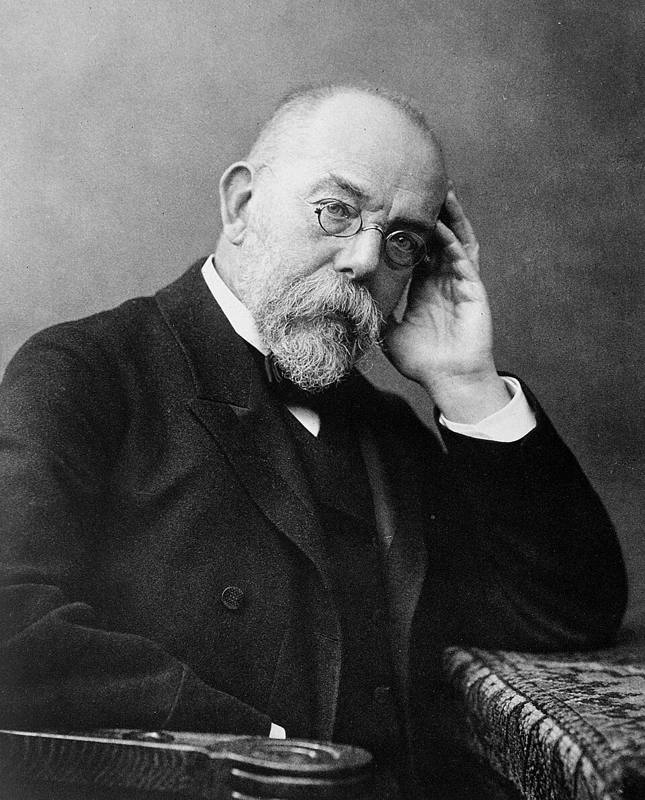
Koch and the anthrax bacillus (1876)
The letters spread the anthrax spores Koch first described, over a century after he tied the disease to one microbe. Koch's entry shows him growing the bacillus in pure culture and finding its resistant spores.
Read this moment
Read next · same disease or problem
Koch and the anthrax bacillus (1876)
The letters spread the anthrax spores Koch first described, over a century after he tied the disease to one microbe. Koch's entry shows him growing the bacillus in pure culture and finding its resistant spores.
Read this moment
 Today on The Clinical Times
Love to Dream recalls portable baby sound machine over fire and burn risk
Love to Dream has recalled its portable Sleep Machine because its lithium-ion battery can overheat while charging with an incompatible charger, creating a risk of fire and burns.
Read today’s top stories
Today on The Clinical Times
Love to Dream recalls portable baby sound machine over fire and burn risk
Love to Dream has recalled its portable Sleep Machine because its lithium-ion battery can overheat while charging with an incompatible charger, creating a risk of fire and burns.
Read today’s top stories
All 526 moments in the history of medicine. This one is in chapter 7, Genes and pandemics
Connected moments
How this moment links to others in the history of medicine, and what you will find in each.
-
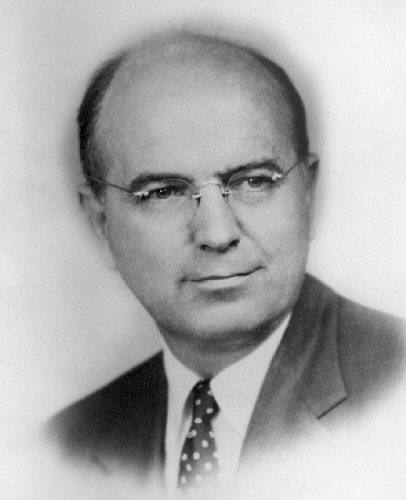 Same disease or problem1946Founding of the Communicable Disease CenterFears of biological warfare had led the CDC to create its Epidemic Intelligence Service, and the anthrax letters made those fears real. The CDC entry shows how a malaria control program became the national outbreak agency.Read this moment
-
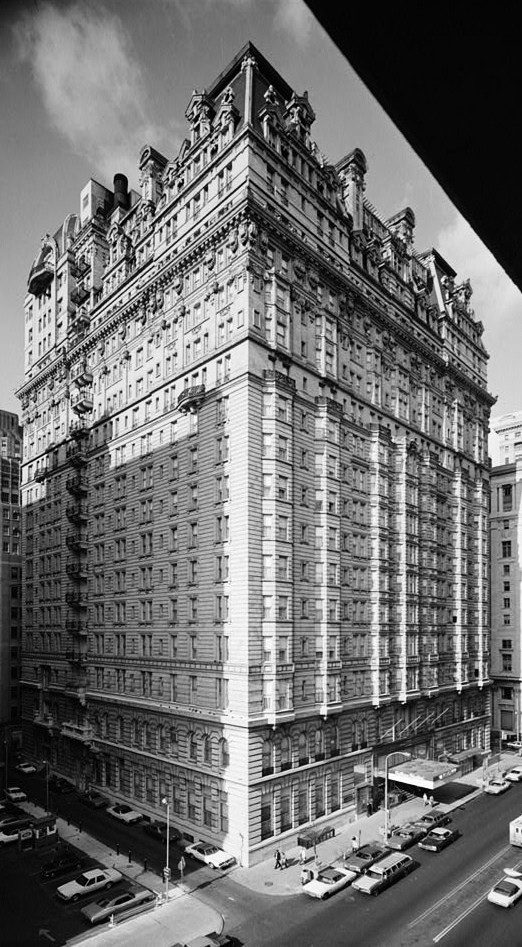 Same disease or problem1976Legionnaires' disease in PhiladelphiaBoth were deadly outbreaks traced by CDC investigators, one to a hotel's air and one to letters in the mail. The Legionnaires entry shows the hunt for a bacterium no laboratory had grown before.Read this moment