Infectious Disease
1546
Fracastoro's De Contagione
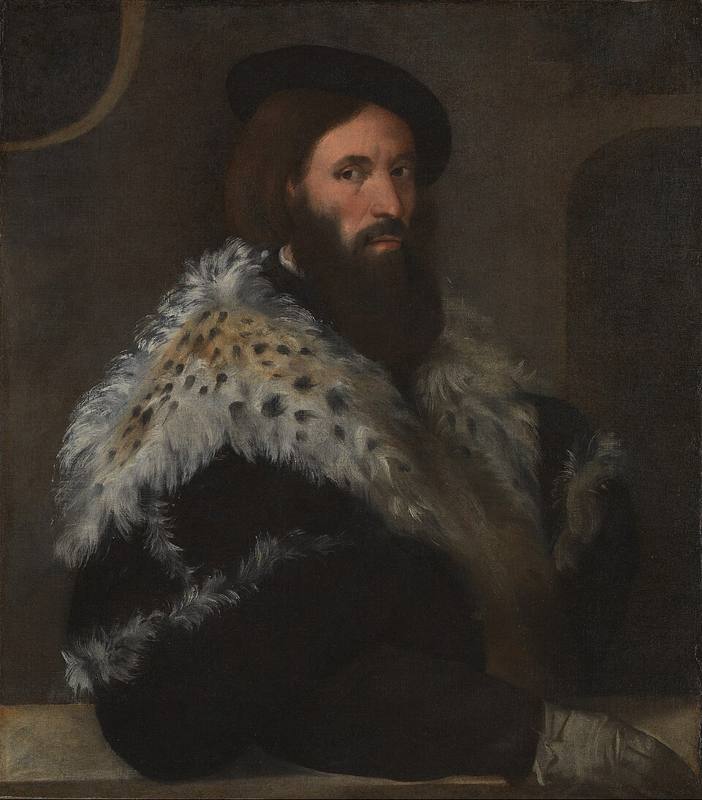
Girolamo Fracastoro of Verona argued that contagious diseases spread through tiny seeds of contagion, which could survive in clothes and linen and still infect, an idea that shaped thinking about infection for some three hundred years.
Key people
- Girolamo Fracastoro
- Veronese physician and poet who wrote De contagione and named syphilis
Source
Fracastoro named syphilis before he tried to explain how diseases spread. His Latin poem Syphilis sive morbus gallicus, printed in four editions between 1530 and 1536, tells of a shepherd named Syphilis who insults the god of the sun and is punished with a horrible disease. The poem recommends mercury and guaiac as cures, and it gave the disease its name.
Girolamo Fracastoro was born around 1478 into a noble family of Verona. He studied medicine, literature and philosophy at the University of Padua, took his medical degree there in 1502 and taught at Padua for several years. He then went home to Verona, where he practiced medicine for about two decades. He was remembered as a small man with broad shoulders, long hair, a round face and black eyes, and Verona later put up a statue in his memory.
His book on contagion came out in Venice in 1546 from the press of the heirs of Lucantonio Giunta, printed with a one-book work on sympathy and antipathy. It described contagious diseases and the ways they spread. Fracastoro proposed that infection passed by means of tiny seeds of contagion, which he likened to spores, and he used the word fomites, from the Latin fomes, tinder fungus. Clothes and linen, he wrote, though not corrupt themselves, could harbor the seeds of contagion and so cause infection.
New York University's rare book collection notes that his theory shaped thinking about contagion for some three hundred years, until the microbial nature of disease was worked out, and Southern Methodist University's Bridwell Library places the 1546 book in the history of epidemiology. Fracastoro died in 1553, and his collected works were first printed two years later.
Keep exploring
 Read next · same disease or problem
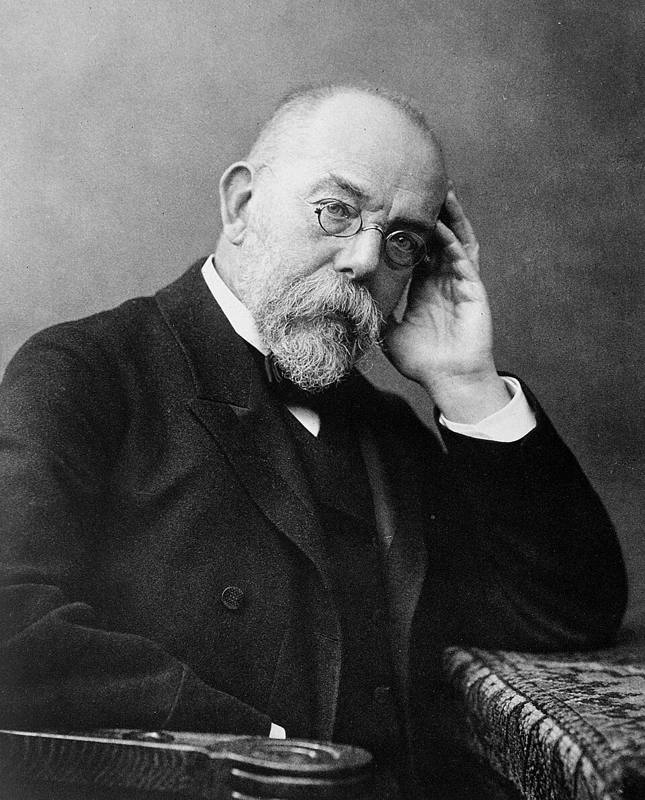
Koch and the anthrax bacillus (1876)
Fracastoro likened his seeds of contagion to spores, and Koch showed a real microbe forming resistant spores that caused anthrax. His story shows a disease tied to one microbe by experiment, the kind of proof that finally replaced the seed theory.
Read this moment
Read next · same disease or problem
Koch and the anthrax bacillus (1876)
Fracastoro likened his seeds of contagion to spores, and Koch showed a real microbe forming resistant spores that caused anthrax. His story shows a disease tied to one microbe by experiment, the kind of proof that finally replaced the seed theory.
Read this moment
 Today on The Clinical Times
Love to Dream recalls portable baby sound machine over fire and burn risk
Love to Dream has recalled its portable Sleep Machine because its lithium-ion battery can overheat while charging with an incompatible charger, creating a risk of fire and burns.
Read today’s top stories
Today on The Clinical Times
Love to Dream recalls portable baby sound machine over fire and burn risk
Love to Dream has recalled its portable Sleep Machine because its lithium-ion battery can overheat while charging with an incompatible charger, creating a risk of fire and burns.
Read today’s top stories
All 526 moments in the history of medicine. This one is in chapter 3, Anatomy and observation
Connected moments
How this moment links to others in the history of medicine, and what you will find in each.
-
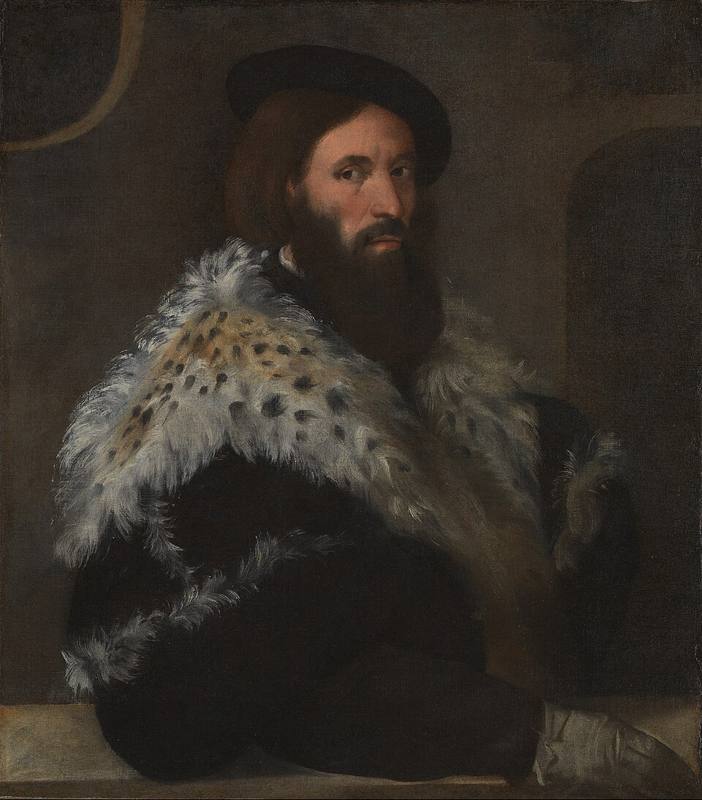 Same person1495The 1495 syphilis epidemic at NaplesFracastoro named syphilis in a poem about the disease that first appeared among the armies at Naples. The Naples story shows the new epidemic spreading across Europe with disbanded mercenaries, each nation blaming another.Read this moment
-
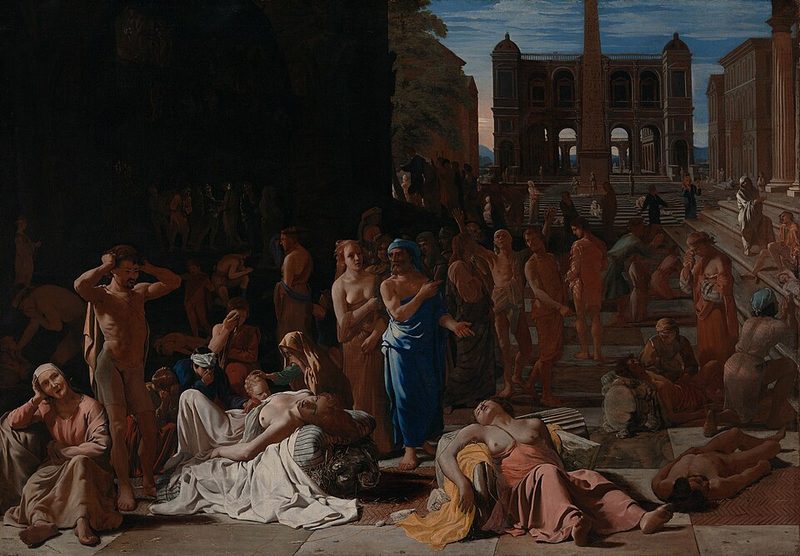 Same disease or problem430 BCEThe Plague of AthensThucydides saw the disease pass to those who nursed the sick, and Fracastoro explained contagion by contact and by things the sick had touched. The Athens story shows that early eyewitness account of an epidemic.Read this moment