Foundational Discovery
c. 1550 BCE
The Ebers Papyrus
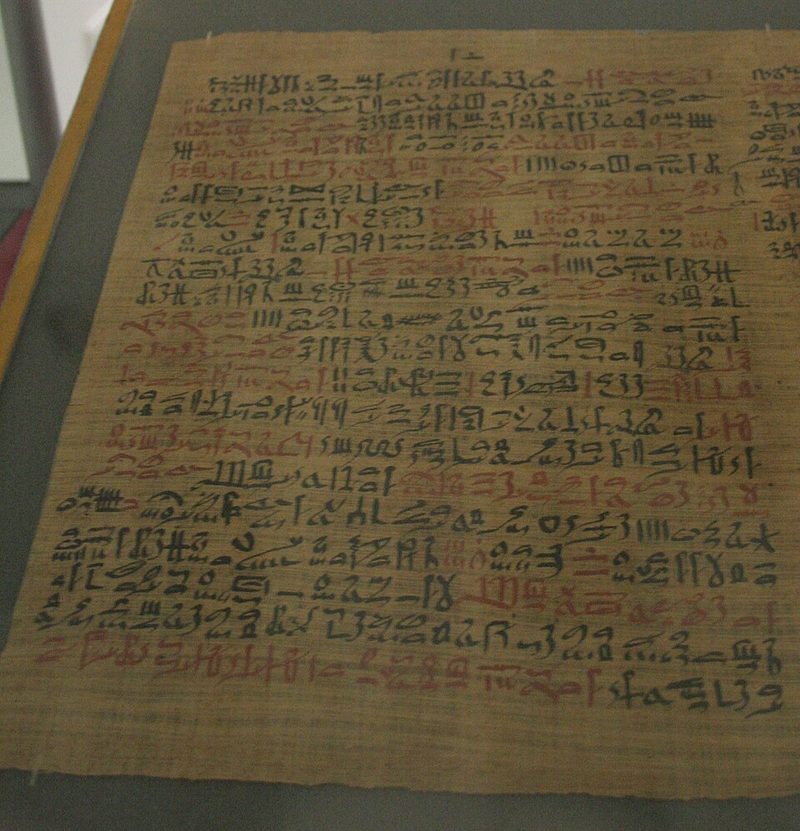
An Egyptian scroll from the end of the 16th century BCE, the longest and most complete medical papyrus to survive, records nearly 900 remedies and teaching texts for about 80 conditions, from heart disease and eye complaints to parasites, alongside healing spells.
Key people
- Georg Ebers
- Leipzig Egyptologist who bought the scroll in Luxor and published it
Source
For a wound, frankincense, ochre and goat's gall were mixed in equal parts, smeared on a bandage and bound on. For white spots in the eye, the gall bladder of a tortoise was ground with honey and applied to the eyelids, after a spell about the crew of Ra's solar boat had been recited over it. Both remedies come from the Ebers Papyrus, the largest scroll on ancient Egyptian medicine and the only one to survive complete.
The scroll, 18.63 meters long, holds 879 texts in 108 columns, numbered up to 110: nearly 900 prescriptions and teaching texts, mostly on general and internal medicine, for about 80 conditions, among them heart disease, gynecological complaints, intestinal problems, parasites and eye diseases. The remedies take the form of ointments, pills, suppositories, enemas and bandages, mixing minerals, plant and animal products and even human and animal excrement; 70 to 80 percent of the ingredients have still not been identified. Spells stand beside the prescriptions, because Egyptian healers were physicians, priests and magicians at once. One passage describes the heart as the center of the blood supply, with vessels running to every part of the body.
The text is written in hieratic, in black ink with the quantities picked out in red, and probably by a single scribe. A calendar on the back and radiocarbon dating carried out in 2014 both place it at the end of the 16th century BCE. A 2018 review in Heart Views notes that it was compiled by scribes from extracts of earlier sources.
The Leipzig Egyptologist Georg Ebers bought the scroll in Luxor on his second trip to Egypt, in 1872 and 1873, and carried it 600 kilometers down the Nile to Cairo by boat. He published a facsimile in 1875. Leipzig University Library, which acquired the papyrus in 1873, has put the whole text online with German and English translations since 2017, and in 2021 it put a full-length replica on display.
Keep exploring
 Read next · same disease or problem
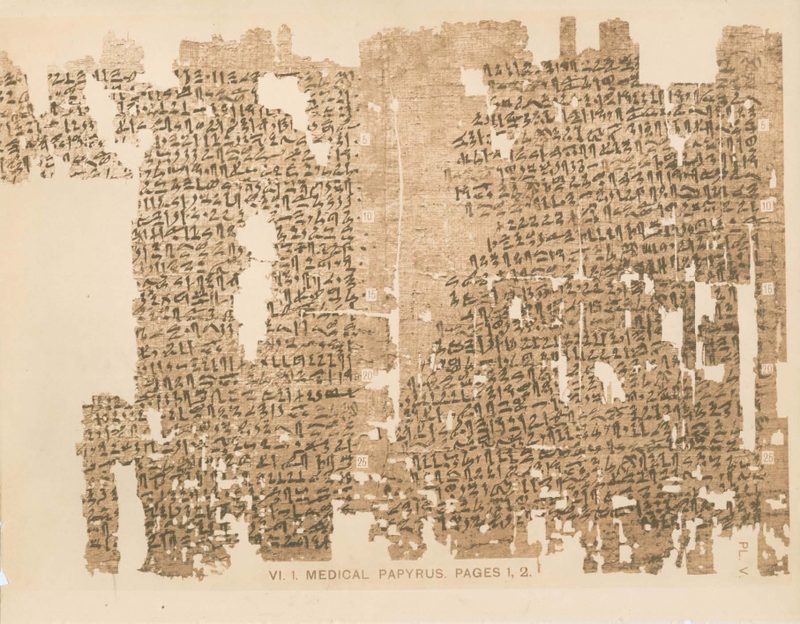
The Kahun Gynaecological Papyrus (c. 1825 BCE)
Both Egyptian papyri give remedies for women's complaints, and the Kahun papyrus is the oldest known text on the subject. It sets out 34 cases, each with symptoms, diagnosis and treatment, many blaming the womb for pain elsewhere.
Read this moment
Read next · same disease or problem
The Kahun Gynaecological Papyrus (c. 1825 BCE)
Both Egyptian papyri give remedies for women's complaints, and the Kahun papyrus is the oldest known text on the subject. It sets out 34 cases, each with symptoms, diagnosis and treatment, many blaming the womb for pain elsewhere.
Read this moment
 Today on The Clinical Times
Love to Dream recalls portable baby sound machine over fire and burn risk
Love to Dream has recalled its portable Sleep Machine because its lithium-ion battery can overheat while charging with an incompatible charger, creating a risk of fire and burns.
Read today’s top stories
Today on The Clinical Times
Love to Dream recalls portable baby sound machine over fire and burn risk
Love to Dream has recalled its portable Sleep Machine because its lithium-ion battery can overheat while charging with an incompatible charger, creating a risk of fire and burns.
Read today’s top stories
All 526 moments in the history of medicine. This one is in chapter 1, The ancient world
Connected moments
How this moment links to others in the history of medicine, and what you will find in each.
-
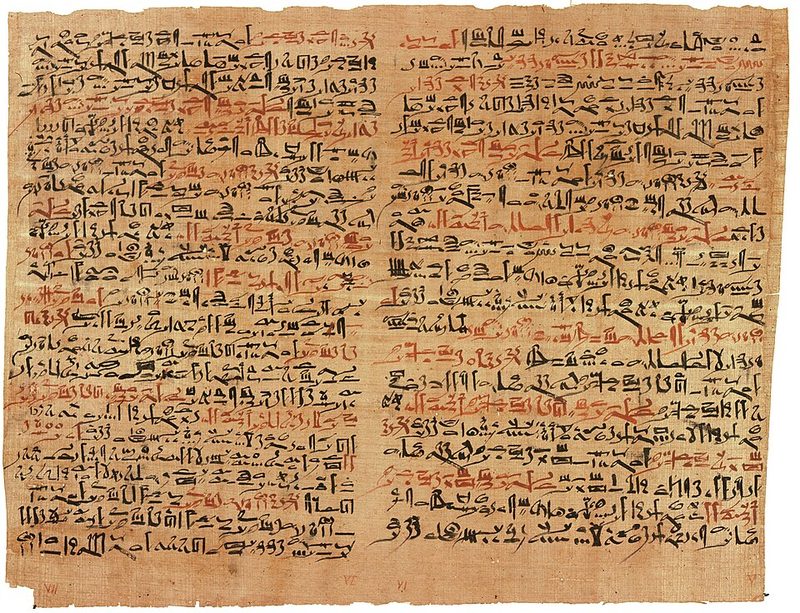 Same disease or problemc. 1600 BCEThe Edwin Smith Surgical PapyrusBoth are Egyptian medical scrolls that treat wounds, the Ebers through remedies and spells, the Smith papyrus through reasoned cases. The Smith papyrus stands out for its plan of examination, diagnosis, prognosis and treatment, and for the first word for the brain.Read this moment
-
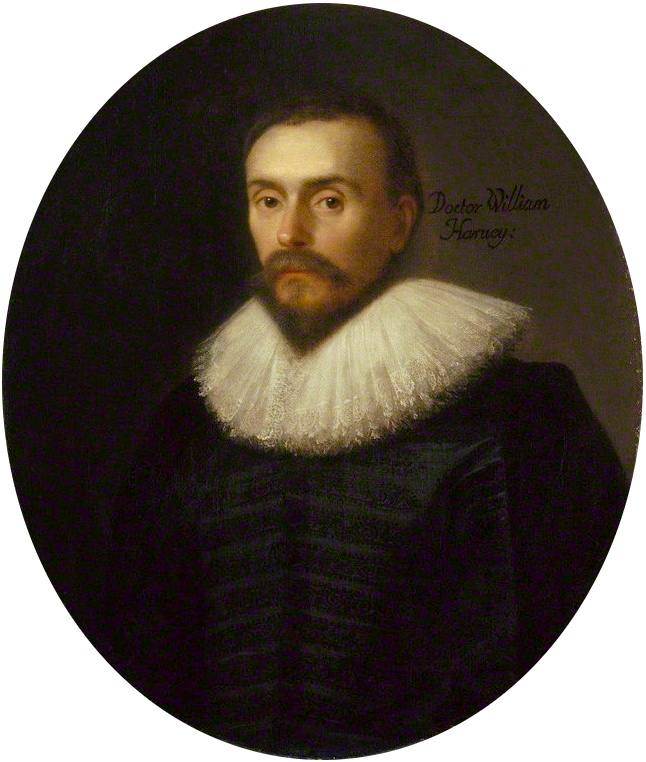 Same disease or problem1628Harvey's De Motu CordisThe Ebers papyrus describes the heart as the center of the blood supply, with vessels running to every part. Harvey's story shows how calculation and experiment proved that the heart drives the same blood around the body without end.Read this moment
-
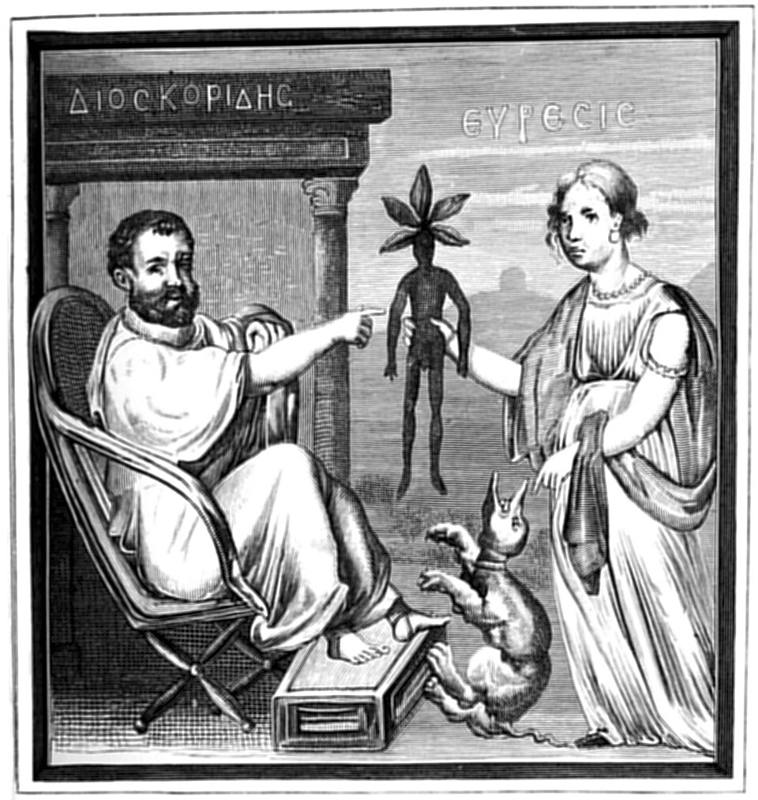 Same disease or problemc. 65 CEDioscorides' De Materia MedicaBoth are great remedy books drawing on plants, animal products and minerals. Dioscorides shows the Greek version: about 600 medicinal plants and how to prepare them, the main drug reference in Europe and the Middle East for sixteen centuries.Read this moment