Genetics & Molecular
1866
Langdon Down's description of Down syndrome
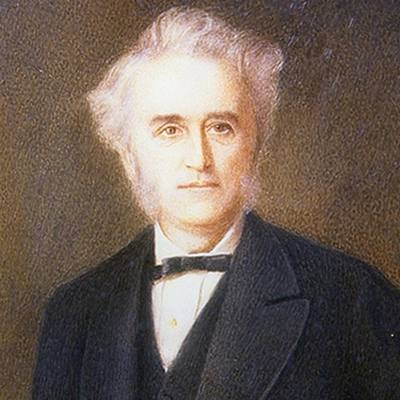
John Langdon Down described a distinct group of people with congenital intellectual disability, whom he called the Mongolian type, in a scheme that sorted patients by race. His label began to give way to Down's syndrome in 1961.
Key people
- John Langdon Down
- Medical superintendent of Earlswood Asylum; author of the 1866 paper
- Norman Langdon Down
- Grandson who gave the family's consent to the 1961 renaming
Source
In 1858, the year he took his London medical degree, John Langdon Down became medical superintendent of the Royal Earlswood Asylum for Idiots at Redhill in Surrey, an institution the Commissioners in Lunacy had criticised. He measured the heads and palates of the residents and photographed them; more than 200 of his photographs survive. When Thomas Bendyshe published an English translation of Blumenbach's division of humanity into five races in 1865, Down set about assigning each resident to one of them.
The result was a four-page paper in the London Hospital Reports for 1866. Existing classifications, Down wrote, could not help a doctor whom parents pressed on whether a nurse's opium, a fall or instruments at delivery had caused their child's disability. He proposed grouping patients around racial types, and claimed to find Ethiopian, Malay and American types among them. Most of the paper concerned what he called the Mongolian type, seen in more than 10 per cent of the cases brought to him.
The description itself was clinical: a flat, broad face, obliquely placed eyes with the inner corners set wide apart, a small nose, a long, thick, roughened tongue, and skin that seemed too large for the body. These patients were always affected from birth, never by later accidents. Down blamed tuberculosis in the parents and noted that life expectancy was far below average, but that they gained more from training than anyone would predict. He took the cases as evidence that racial differences were variable, and so as an argument for the unity of the human species. In his 1887 Lettsomian lectures, published with a reprint of the paper, he explained that Nott and Gliddon had argued that the races were distinct species, and that this had been used to justify what he called a certain domestic institution, meaning slavery.
Down left Earlswood in 1868 and opened Normansfield, a private home that had 19 children that year and 160 by 1896, when he died. His son Reginald's first son, born in 1905, had the condition and lived to 65.
In 1961 a group of geneticists wrote to the Lancet that the term mongolism had misleading connotations and offered four alternatives, one of them trisomy 21 anomaly, to cover cases of simple trisomy and of translocation. Penrose asked Down's grandson Norman for the family's consent. The Lancet's editor chose Down's syndrome, and the World Health Organization later endorsed it.
Keep exploring
 Read next · led to
Discovery of trisomy 21 (1959)
Down described the syndrome almost a century before a Paris team found its cause, an extra chromosome. Their story shows 47 chromosomes counted in the cells of affected children, and a dispute over credit.
Read this moment
Read next · led to
Discovery of trisomy 21 (1959)
Down described the syndrome almost a century before a Paris team found its cause, an extra chromosome. Their story shows 47 chromosomes counted in the cells of affected children, and a dispute over credit.
Read this moment
 Today on The Clinical Times
Love to Dream recalls portable baby sound machine over fire and burn risk
Love to Dream has recalled its portable Sleep Machine because its lithium-ion battery can overheat while charging with an incompatible charger, creating a risk of fire and burns.
Read today’s top stories
Today on The Clinical Times
Love to Dream recalls portable baby sound machine over fire and burn risk
Love to Dream has recalled its portable Sleep Machine because its lithium-ion battery can overheat while charging with an incompatible charger, creating a risk of fire and burns.
Read today’s top stories
All 526 moments in the history of medicine. This one is in chapter 4, Germs, numbers and clean water
Connected moments
How this moment links to others in the history of medicine, and what you will find in each.
-
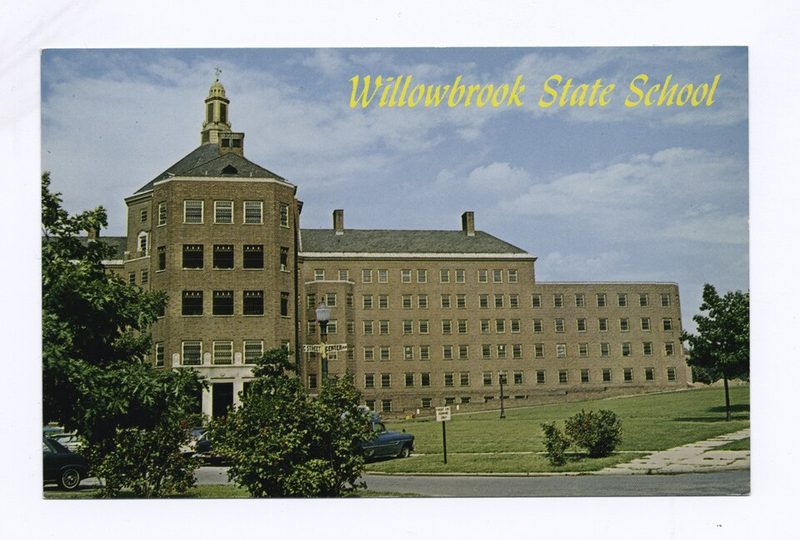 Same disease or problemc. 1956The Willowbrook hepatitis studiesDown ran an asylum for people with intellectual disability, and Willowbrook was a state school for such children. Its story shows researchers deliberately infecting the children with hepatitis, a standard case in medical ethics.Read this moment
-
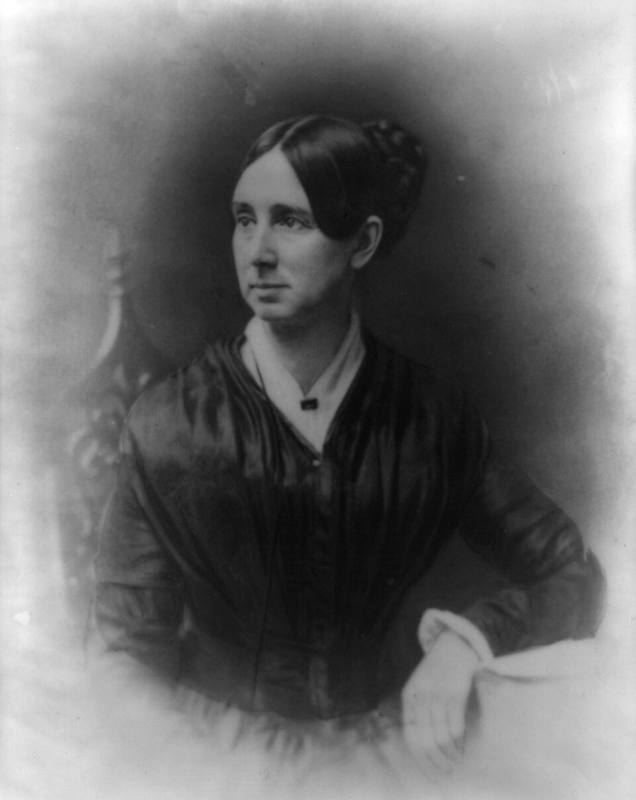 Same disease or problem1843Dorothea Dix's Memorial to the Massachusetts legislatureBoth concern people with intellectual disability kept in institutions, Down's asylum at Earlswood and the jails and almshouses Dix exposed. Her story shows a town by town account that moved a legislature to act.Read this moment