Critical & Organ Care
1940
Charles Drew and blood plasma banking
In 1940 the surgeon Charles Drew ran the medical side of Blood for Britain, which collected 14,556 donations in New York and shipped plasma to England. His standard procedures shaped the American Red Cross's wartime plasma program, which segregated blood by race over his objection.
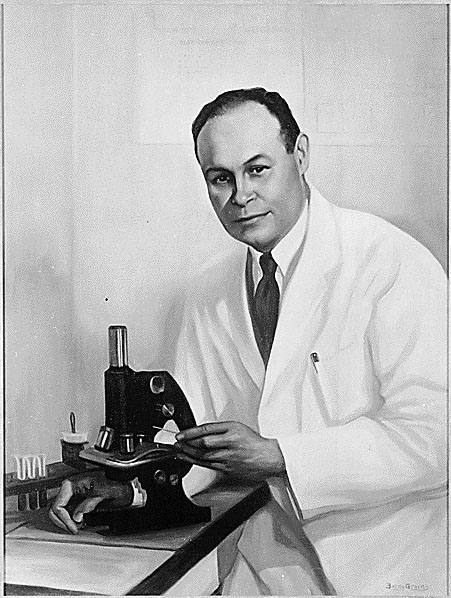
Key people
- Charles R. Drew
- Howard surgeon who directed Blood for Britain's medical work
- John Scudder
- Presbyterian Hospital surgeon whose laboratory Drew joined
Source
When Charles Drew, a surgeon on the Howard University faculty, came to Presbyterian Hospital in New York in 1938 for surgical training and a doctorate, blood banking was new. The first American hospital blood bank had opened at Chicago's Cook County Hospital in 1937, and there was no standard way to collect blood, keep it free of contamination or protect recipients. No African American physician had held a residency at Presbyterian, and the surgeon Allen Whipple placed Drew in John Scudder's laboratory, but Drew persuaded Whipple to train him as a resident as well.
In August 1939 Drew and Scudder opened an experimental blood bank at the hospital. Each donation had to be drawn with sterile equipment, anticoagulated, refrigerated, typed, tested for syphilis and tracked. The seven-month experiment became Drew's dissertation, Banked Blood, which earned him a doctor of medical science degree in June 1940.
Britain, under German bombing, needed plasma. The Blood Transfusion Betterment Association, the National Research Council and the American Red Cross organized Blood for Britain, and Drew drew up its plan with Scudder and E. H. L. Corwin. Each batch of plasma was cultured for bacteria, treated with merthiolate, retested and diluted with saline. The program opened on 16 August 1940. In September the association called Drew back from Howard as full-time medical supervisor; he standardized procedures, equipment and records across the hospitals and had one central laboratory check every batch. By January 1941 it had collected 14,556 donations and shipped more than 5,000 liters of plasma to England.
Drew then became assistant director of a Red Cross pilot program to mass-produce dried plasma, the model for the National Blood Donor Service, and introduced mobile collection units, later called bloodmobiles. At the armed forces' insistence the pilot excluded Black donors, and from January 1942 the Red Cross took their blood but kept it separate. Drew said there was no scientific evidence of any difference between the blood of different races. He had returned to Howard in April 1941; the National Library of Medicine finds no evidence that the policy was why he left.
On 1 April 1950, driving to a clinic in Tuskegee, Alabama, Drew fell asleep at the wheel near Burlington, North Carolina. At Alamance General Hospital three white physicians gave him transfusions, but he died of his injuries. The story that he was refused treatment has been repeatedly disproved.
Keep exploring
 Read next · same disease or problem
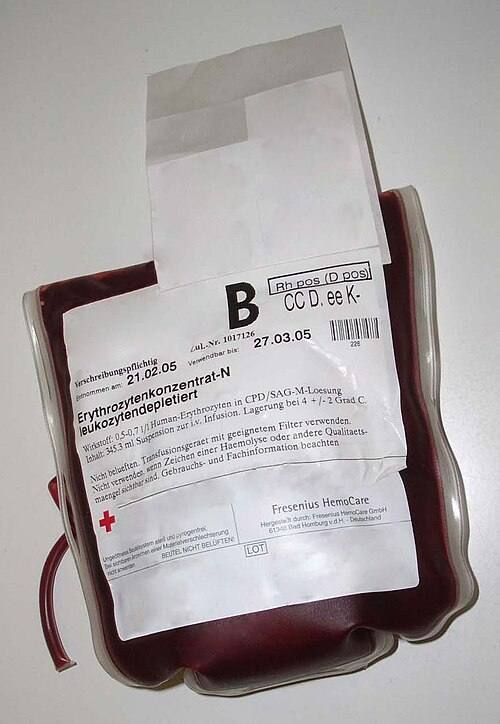
Rous and Turner's citrate-glucose method for storing red blood cells (1916)
Drew built on the idea of banking blood, which began when Rous and Turner found how to store red cells for weeks. Their story shows Oswald Robertson setting up the first blood bank for soldiers in 1917.
Read this moment
Read next · same disease or problem
Rous and Turner's citrate-glucose method for storing red blood cells (1916)
Drew built on the idea of banking blood, which began when Rous and Turner found how to store red cells for weeks. Their story shows Oswald Robertson setting up the first blood bank for soldiers in 1917.
Read this moment
 Today on The Clinical Times
Love to Dream recalls portable baby sound machine over fire and burn risk
Love to Dream has recalled its portable Sleep Machine because its lithium-ion battery can overheat while charging with an incompatible charger, creating a risk of fire and burns.
Read today’s top stories
Today on The Clinical Times
Love to Dream recalls portable baby sound machine over fire and burn risk
Love to Dream has recalled its portable Sleep Machine because its lithium-ion battery can overheat while charging with an incompatible charger, creating a risk of fire and burns.
Read today’s top stories
All 526 moments in the history of medicine. This one is in chapter 5, Cures and codes
Connected moments
How this moment links to others in the history of medicine, and what you will find in each.
-
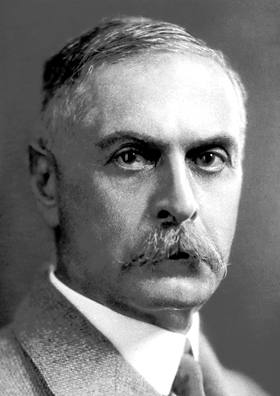 Built on1901Discovery of the ABO Blood GroupsEvery donation in Drew's bank had to be typed, using the blood groups Landsteiner discovered. Landsteiner's story shows how grouping made transfusion predictable.Read this moment
- Same disease or problem1966Medicare and hospital desegregationThe Red Cross kept Black donors' blood separate over Drew's objection, and in 1966 Medicare forced hospitals to desegregate. That story shows more than 1,000 hospitals integrating in under four months.Read this moment
-
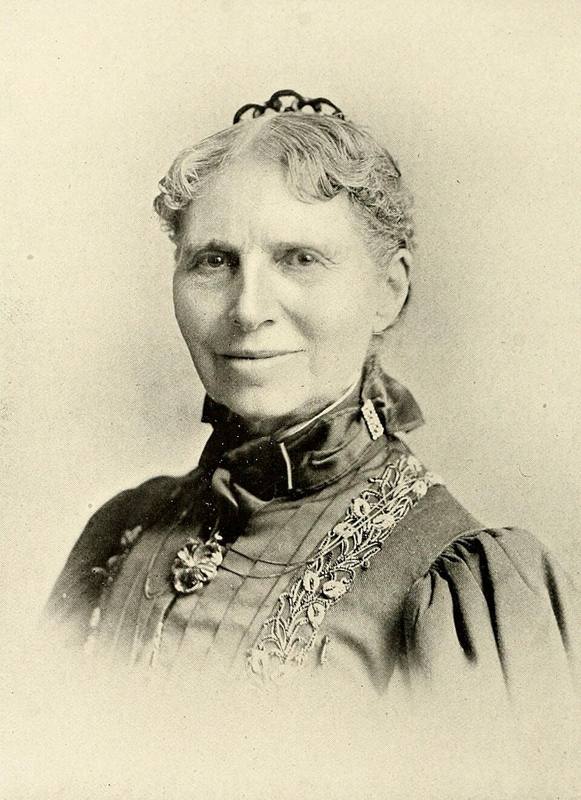 Same disease or problem1881Clara Barton and the American Red CrossDrew's procedures shaped the American Red Cross's wartime plasma program, the society Clara Barton founded in 1881. Her story shows the Red Cross taking on peacetime disaster relief.Read this moment