Epidemiology
1907
Typhoid Mary and the healthy carrier
In 1907 New York health officials identified Mary Mallon, a cook with no symptoms, as a chronic typhoid carrier and confined her on North Brother Island. She spent about 26 years confined, though more than 400 carriers found later were not.
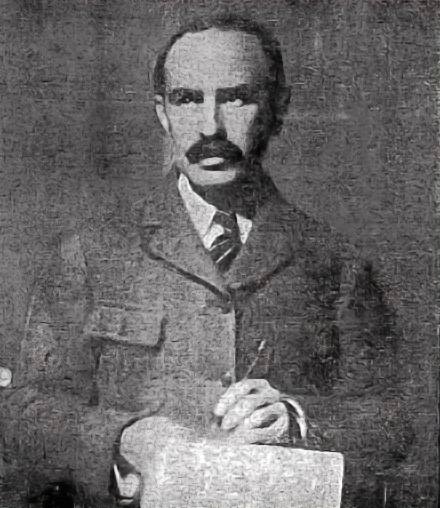
Key people
- Mary Mallon
- Irish-born cook identified in 1907 as a healthy typhoid carrier
- George Soper
- Sanitary engineer who traced the Oyster Bay outbreak to her
Source
Typhoid fever was common in New York at the start of the twentieth century; the city reported 3,467 cases and 639 deaths in 1906. In late August of that year, 6 of the 11 people in a summer house at Oyster Bay, Long Island, fell ill. Earlier investigators found no cause, and George Soper, a sanitary engineer, was engaged to look again.
Soper suspected a person, not the water or food, and the timing pointed to a cook who had joined the household shortly before, Mary Mallon. Born in Ireland in 1869, she had emigrated to the United States in 1884. Tracing her earlier posts, Soper found typhoid in 7 of the 8 families she had worked for. Robert Koch had described healthy carriers of typhoid in Germany in 1902, and Soper later wrote that Mallon was the first chronic carrier with infected feces identified in America.
Mallon, who said she had never had typhoid, refused to give specimens. In 1907 the city's Department of Health took her by force to Riverside Hospital on North Brother Island in the East River, where 120 of 163 stool samples over two years grew typhoid bacilli. She declined removal of her gallbladder, the suspected source, and her 1909 court challenge failed. In 1910 a new health commissioner released her after nearly three years on her promise to give up cooking and report every three months.
She went back to work as a cook, at one point under the name Mary Brown. In 1915 an outbreak of about 25 cases, two of them fatal, at the Sloane Hospital for Women in Manhattan was traced to her kitchen, and she was returned to North Brother Island for the rest of her life. She died there on 11 November 1938. Her known cases numbered at least 51, with 3 deaths.
By the time she died, New York health officials had identified more than 400 other healthy carriers of typhoid, and none of them was forcibly confined. Soper held that her case showed that people, and not only things such as water or food, often explained the spread of typhoid.
Keep exploring
 Read next · same disease or problem
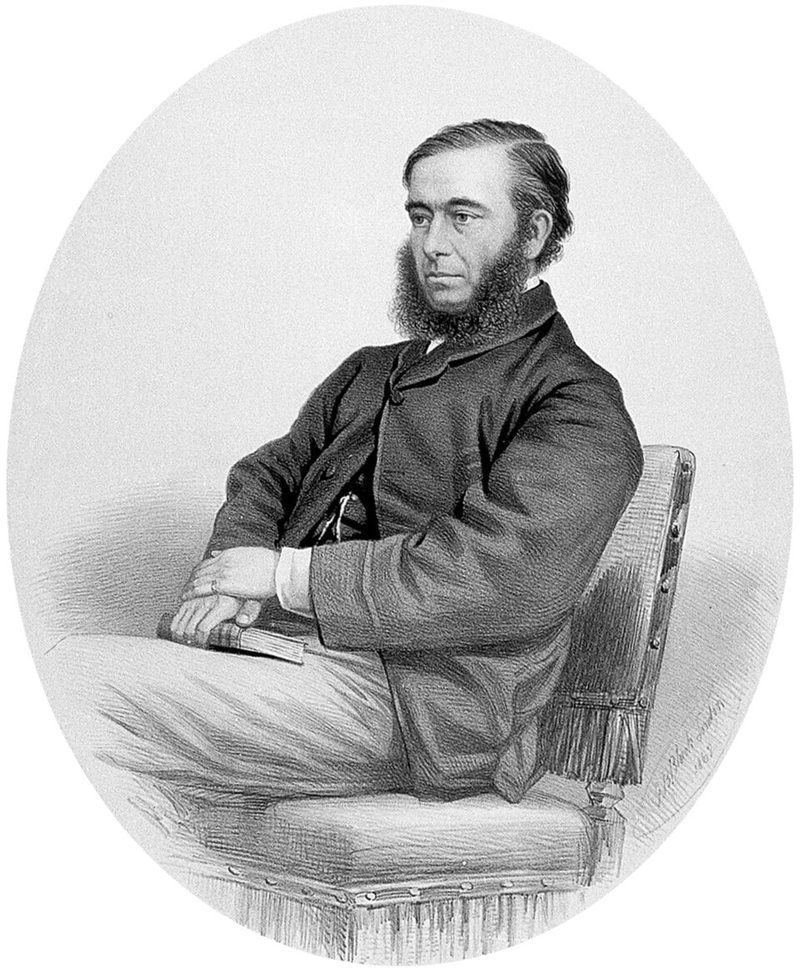
William Budd and the spread of typhoid (1856)
Soper showed that a person, not only water or food, could spread typhoid, and Budd had long argued it passed from patient to patient. Budd's story shows him tracing typhoid through a Devon village and a Bristol terrace.
Read this moment
Read next · same disease or problem
William Budd and the spread of typhoid (1856)
Soper showed that a person, not only water or food, could spread typhoid, and Budd had long argued it passed from patient to patient. Budd's story shows him tracing typhoid through a Devon village and a Bristol terrace.
Read this moment
 Today on The Clinical Times
Love to Dream recalls portable baby sound machine over fire and burn risk
Love to Dream has recalled its portable Sleep Machine because its lithium-ion battery can overheat while charging with an incompatible charger, creating a risk of fire and burns.
Read today’s top stories
Today on The Clinical Times
Love to Dream recalls portable baby sound machine over fire and burn risk
Love to Dream has recalled its portable Sleep Machine because its lithium-ion battery can overheat while charging with an incompatible charger, creating a risk of fire and burns.
Read today’s top stories
All 526 moments in the history of medicine. This one is in chapter 5, Cures and codes
Connected moments
How this moment links to others in the history of medicine, and what you will find in each.
-
 Same disease or problem1908Chlorination of Jersey City's water supplyMary Mallon spread typhoid through her cooking, while Jersey City attacked the typhoid carried in water. The chlorination story shows US typhoid falling by two thirds between 1900 and 1920.Read this moment
-
 Same disease or problem1864The Contagious Diseases Acts and their repealBoth detained people to protect others from infection, Mary Mallon on an island and women in lock hospitals. The Contagious Diseases Acts show how a campaign led by women ended compulsory examination.Read this moment