Public Health
1973
Phasing lead out of gasoline
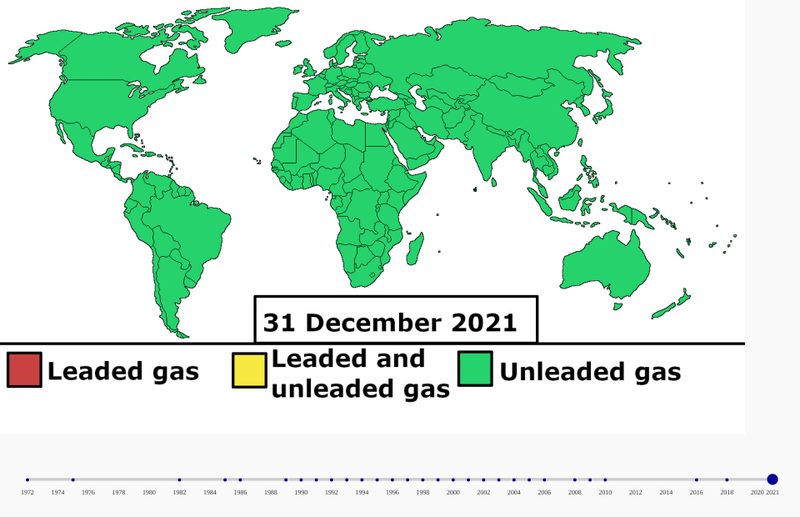
The EPA's first lead reduction standards, issued in 1973, began a phase-out that ended leaded fuel for road vehicles on 1 January 1996. Lead used in US gasoline fell 99.8 percent from 1976 to 1990, and average blood lead fell 78 percent.
Key people
- Carol M. Browner
- EPA administrator who signed the final 1996 phaseout rule
Source
Lead had been blended into gasoline since the early 1920s, mainly to raise octane. In 1973 the average gallon held 2 to 3 grams of lead, about 200,000 tons a year across the country. That year the Environmental Protection Agency issued its first reduction standards, calling for a gradual phasedown to one tenth of a gram per gallon by 1986.
From 1975, new passenger cars and light trucks carried catalytic converters that required lead-free fuel. By 1995 leaded fuel made up only 0.6 percent of gasoline sales, less than 2,000 tons of lead a year. The Clean Air Act banned its sale for on-road vehicles from 1 January 1996, though aircraft, racing cars, farm equipment and marine engines could still use it. On 29 January 1996 the EPA administrator, Carol Browner, signed a final rule dropping requirements the ban had made obsolete, among them the unleaded-fuel-only labels on dashboards.
National surveys measured the effect in blood. In the second National Health and Nutrition Examination Survey, from 1976 to 1980, 88.2 percent of children aged 1 to 5 had blood lead of 10 micrograms per deciliter or more. In the first phase of the third survey, from 1988 to 1991, 8.9 percent did, and the geometric mean for the whole population had fallen 78 percent, to 2.8 micrograms per deciliter. CDC judged that two changes probably contributed most: lead used in gasoline fell 99.8 percent from 1976 to 1990, and the share of US-made food and soft-drink cans with lead solder fell from 47 percent in 1980 to 0.9 percent in 1990.
Research over those two decades had shown harm at blood levels once considered safe, and the decline was uneven. An estimated 35 percent of poor non-Hispanic Black children living in central cities still had levels of 10 or more, against 5 percent of non-poor non-Hispanic white children living outside central cities.
Keep exploring
 Read next · built on
The Clean Air Act of 1970
Lead was phased out of gasoline under the Clean Air Act's authority, which finally banned it for road vehicles in 1996. The Clean Air Act entry shows the 1970 law that made air pollution a national responsibility.
Read this moment
Read next · built on
The Clean Air Act of 1970
Lead was phased out of gasoline under the Clean Air Act's authority, which finally banned it for road vehicles in 1996. The Clean Air Act entry shows the 1970 law that made air pollution a national responsibility.
Read this moment
 Today on The Clinical Times
Love to Dream recalls portable baby sound machine over fire and burn risk
Love to Dream has recalled its portable Sleep Machine because its lithium-ion battery can overheat while charging with an incompatible charger, creating a risk of fire and burns.
Read today’s top stories
Today on The Clinical Times
Love to Dream recalls portable baby sound machine over fire and burn risk
Love to Dream has recalled its portable Sleep Machine because its lithium-ion battery can overheat while charging with an incompatible charger, creating a risk of fire and burns.
Read today’s top stories
All 526 moments in the history of medicine. This one is in chapter 6, Trials, scanners and rights
Connected moments
How this moment links to others in the history of medicine, and what you will find in each.
-
 Same disease or problem2014The Flint water crisisBoth concern lead in children's bodies, falling after the gasoline phaseout and rising again in Flint's water. The Flint entry shows how a change of water source doubled elevated blood lead in young children.Read this moment
-
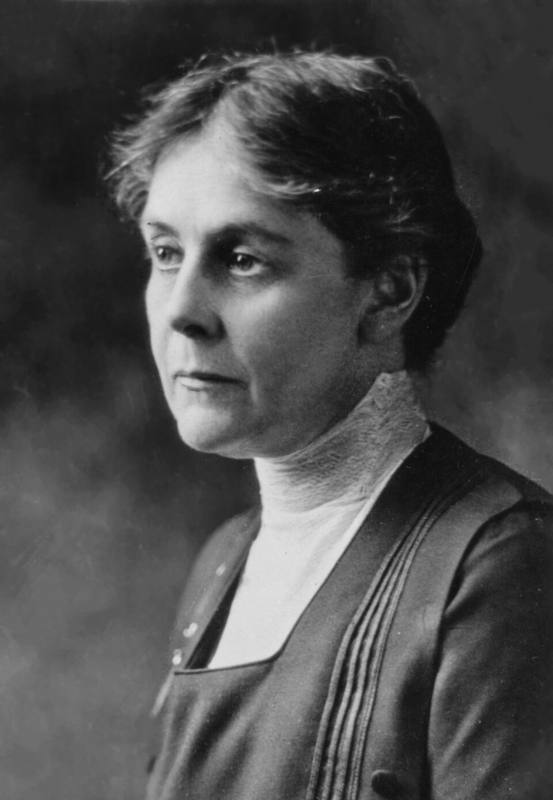 Same disease or problem1910Alice Hamilton and industrial toxicologyHamilton traced lead poisoning in factory workers decades before lead was taken out of gasoline. Her entry shows her surveys of industrial poisons and the state laws they produced.Read this moment