Oncology
1775
Pott's account of chimney sweeps' cancer
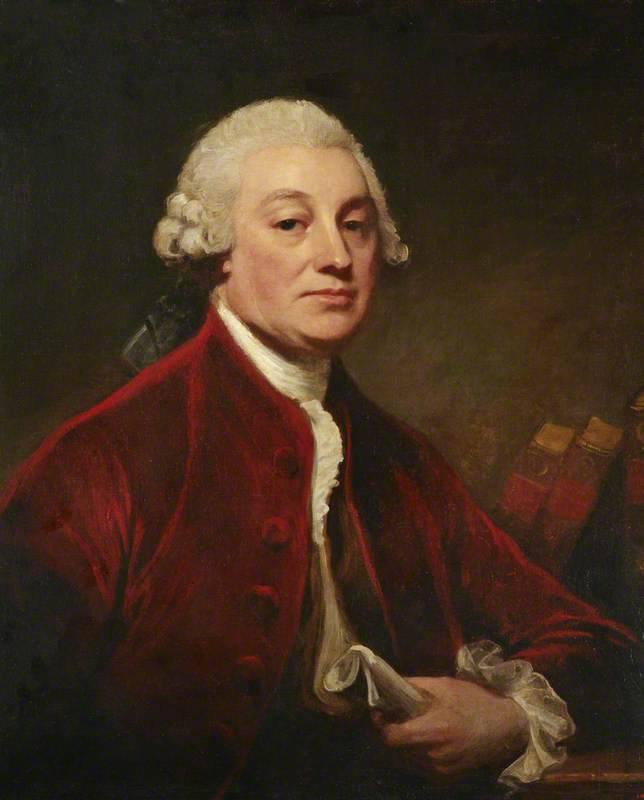
In 1775 the London surgeon Percivall Pott described scrotal cancer in chimney sweeps and traced it to soot lodged in the skin, the first published description of a cancer caused by a person's work.
Key people
- Percivall Pott
- St Bartholomew's surgeon who described chimney sweepers' cancer in 1775
Source
Percivall Pott's chapter on the disease runs to about six pages. It opens with Ramazzini's book on the diseases of workers, the colic of Poitou, and the disorders of painters, plumbers, glaziers and workers in white lead, then turns to a disease that had not, to his knowledge, been publicly noticed: the chimney sweepers' cancer. In the preface he wrote that everyone who had the care of London's hospitals knew the disease was real. What was missing was a printed account.
Pott, a surgeon at St Bartholomew's Hospital, published the chapter in his Chirurgical Observations of 1775. The disease began on the lower part of the scrotum as a painful, ragged sore with hard, raised edges, which the trade called the soot wart. Pott never saw it before puberty, and he thought this was one reason patients and surgeons so often took it for venereal disease and treated it with mercury, which made it much worse. In a short time it spread to the testicle, along the spermatic cord into the abdomen, and on to the internal organs.
Pott traced it to soot lodged in the folds of the scrotal skin. Because it always attacked the same part, he judged it a local disease brought on by the trade, at least at first. His patients had started in that trade as small children. In early childhood, he wrote, they were treated with great brutality, almost starved with cold and hunger, and thrust up narrow, sometimes hot chimneys where they were bruised, burned and almost suffocated. The National Library of Medicine notes that some sweeps began as young as four and that the cancer often appeared in their late teens or early twenties.
His only remedy was to cut away the diseased part of the scrotum at once. Once the testicle was involved, it was generally too late even for castration. He had operated many times. Some wounds healed well and the men left the hospital apparently cured, but most came back within months with the disease in the other testicle or the groin, or with signs of internal spread, and a painful death followed.
In 1788 Parliament passed a Chimney Sweepers Act that forbade employing children under eight and required that they be kept clean and bathed once a week. Michael North, the National Library of Medicine's rare books curator, wrote that Pott's publication helped bring about the act. The disease persisted. Of 39 scrotal cancers treated at St Bartholomew's between 1880 and 1890, 29 were in sweeps.
Keep exploring
 Read next · built on
Ramazzini's Diseases of Workers (1700)
Pott's chapter opens with Ramazzini's book on the diseases of workers. Ramazzini's story shows a physician visiting workplaces and describing the diseases of some 40 trades.
Read this moment
Read next · built on
Ramazzini's Diseases of Workers (1700)
Pott's chapter opens with Ramazzini's book on the diseases of workers. Ramazzini's story shows a physician visiting workplaces and describing the diseases of some 40 trades.
Read this moment
 Today on The Clinical Times
Love to Dream recalls portable baby sound machine over fire and burn risk
Love to Dream has recalled its portable Sleep Machine because its lithium-ion battery can overheat while charging with an incompatible charger, creating a risk of fire and burns.
Read today’s top stories
Today on The Clinical Times
Love to Dream recalls portable baby sound machine over fire and burn risk
Love to Dream has recalled its portable Sleep Machine because its lithium-ion battery can overheat while charging with an incompatible charger, creating a risk of fire and burns.
Read today’s top stories
All 526 moments in the history of medicine. This one is in chapter 3, Anatomy and observation
Connected moments
How this moment links to others in the history of medicine, and what you will find in each.
-
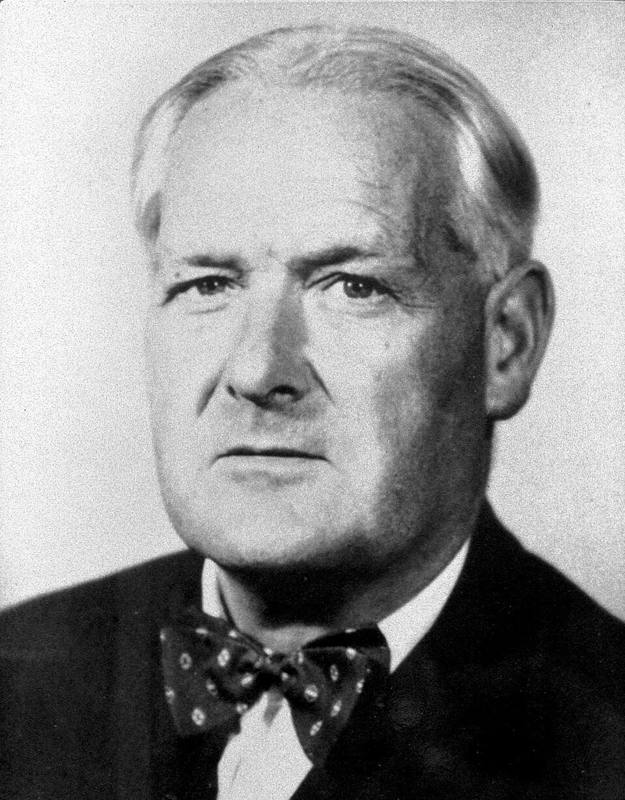 Led to1965Bradford Hill criteria for causationBradford Hill used Pott's chimney sweeps, with a risk nearly 200 times that of other trades, to show what a strong association looks like. His story shows the nine viewpoints for judging whether an association is causal.Read this moment
-
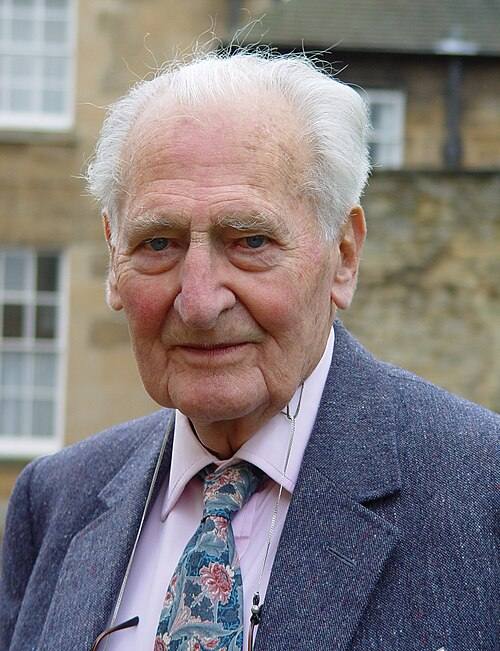 Same disease or problem1950Doll and Hill smoking and lung cancer case-control studyPott traced a cancer to soot lodged in the skin, and Doll and Hill traced lung cancer to smoking. Their story shows a case control study that tied a common habit to a deadly cancer.Read this moment
-
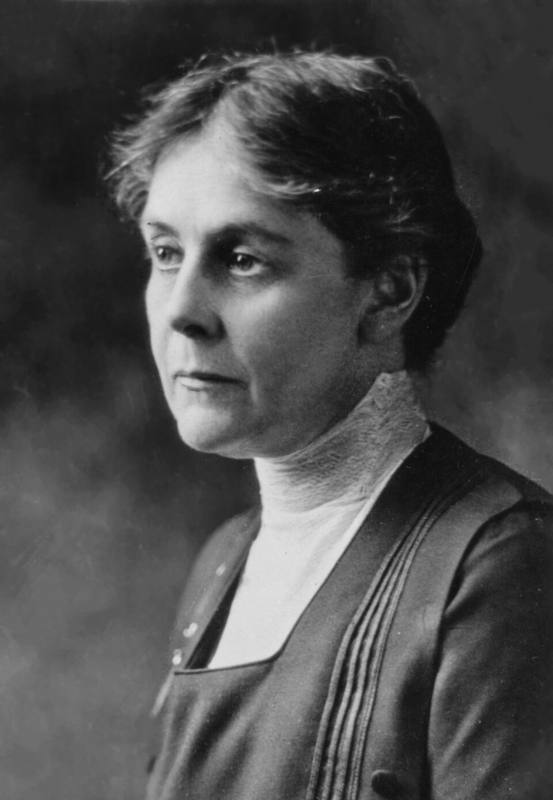 Same disease or problem1910Alice Hamilton and industrial toxicologyBoth traced disease to a trade, Pott to chimney soot and Hamilton to lead and other industrial poisons. Her story shows factory visits and worker interviews that led to new state laws.Read this moment