Epidemiology
1965
Bradford Hill criteria for causation
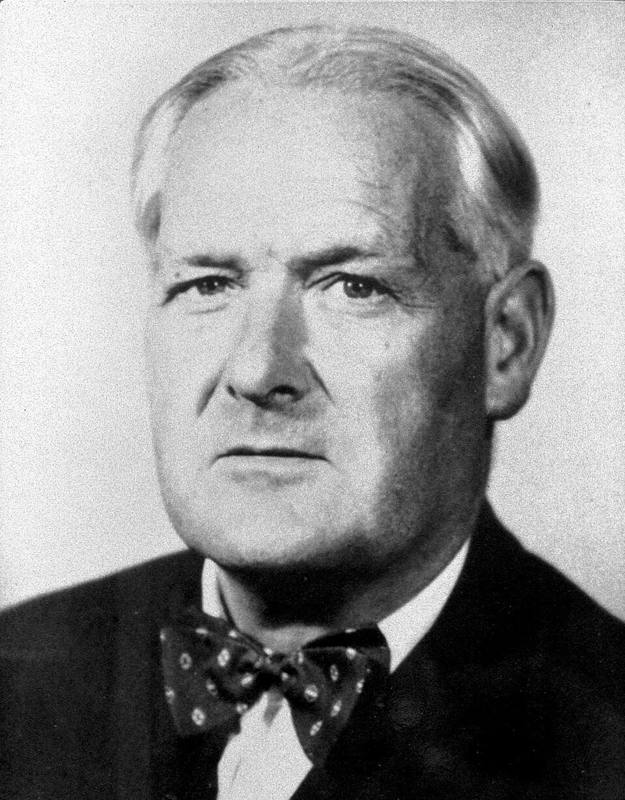
In a 1965 address, Austin Bradford Hill set out nine aspects of an association, among them strength, consistency, temporality and dose response, for judging whether an exposure causes a disease. They became the most cited framework for causal inference in epidemiology.
Key people
- Austin Bradford Hill
- Gave the 1965 address that set out the nine aspects
Source
Occupational physicians could not prevent disease at work without a sound way to decide which hazards actually caused sickness and injury. Austin Bradford Hill put that question to them in 1965, in the first President's Address to a newly formed Section of Occupational Medicine. He asked in what circumstances one could pass from an observed association to a verdict of causation. The talk was printed that May in the Proceedings of the Royal Society of Medicine.
His answer was a list of nine aspects to weigh: strength, consistency, specificity, temporality, biological gradient, plausibility, coherence, experiment and analogy. For strength he used Percival Pott's observation of scrotal cancer in chimney sweeps, a risk nearly 200 times that of other occupations; small associations, he said, could more easily come from bias or confounding. A dose response made a causal link more likely. For coherence he pointed to changes in the bronchial lining and to animal tests of cigarette smoke, which together told a coherent story about cigarette smoke and cancer. Evidence that disease fell after an exposure was removed could give the strongest support of all.
Later writers renamed the list the Bradford Hill criteria. Temporality, the requirement that exposure come before disease, is perhaps the only one that epidemiologists universally treat as essential; Rothman and Greenland, who doubted the value of the others, called it inarguable. Hill closed by reminding his audience that all scientific work is incomplete and open to revision as knowledge advances.
He spoke twelve years after Watson and Crick proposed the double helix, when the biology between most exposures and diseases was still a black box. A 2015 review in Emerging Themes in Epidemiology described his nine points as the most frequently cited framework for causal inference in epidemiologic studies and examined how molecular and genomic data now bear on each of them.
Keep exploring
 Read next · built on
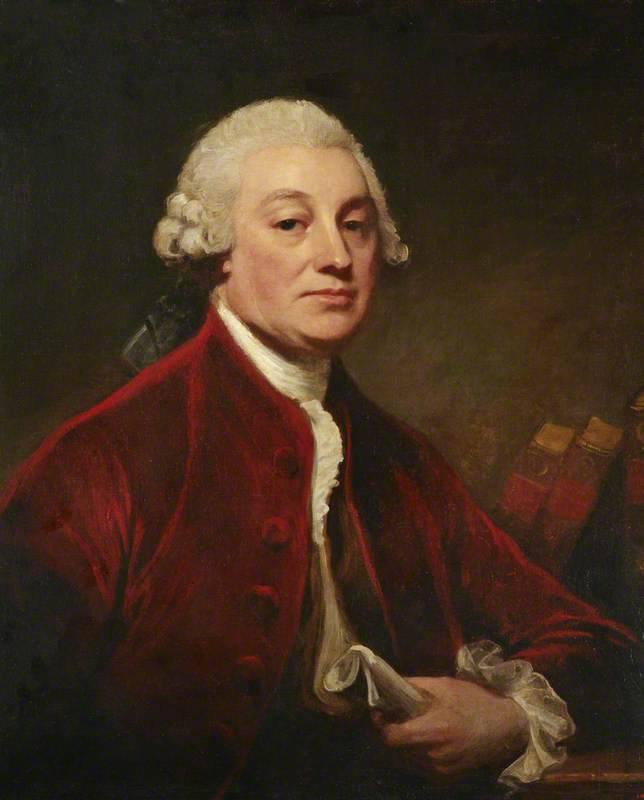
Pott's account of chimney sweeps' cancer (1775)
Hill used Pott's chimney sweeps, with a cancer risk nearly 200 times normal, as his example of a strong association. Pott's entry shows the first description of a cancer caused by a person's work.
Read this moment
Read next · built on
Pott's account of chimney sweeps' cancer (1775)
Hill used Pott's chimney sweeps, with a cancer risk nearly 200 times normal, as his example of a strong association. Pott's entry shows the first description of a cancer caused by a person's work.
Read this moment
 Today on The Clinical Times
Love to Dream recalls portable baby sound machine over fire and burn risk
Love to Dream has recalled its portable Sleep Machine because its lithium-ion battery can overheat while charging with an incompatible charger, creating a risk of fire and burns.
Read today’s top stories
Today on The Clinical Times
Love to Dream recalls portable baby sound machine over fire and burn risk
Love to Dream has recalled its portable Sleep Machine because its lithium-ion battery can overheat while charging with an incompatible charger, creating a risk of fire and burns.
Read today’s top stories
All 526 moments in the history of medicine. This one is in chapter 6, Trials, scanners and rights
Connected moments
How this moment links to others in the history of medicine, and what you will find in each.
-
 Same person1950Doll and Hill smoking and lung cancer case-control studyHill's criteria drew on the smoking evidence he had helped build, including the coherence of findings on cigarette smoke. His 1950 study with Doll shows lung cancer risk rising with the number of cigarettes.Read this moment
-
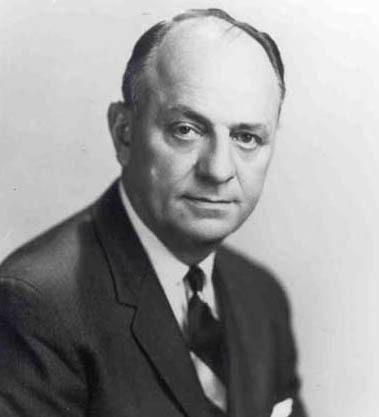 Same disease or problem1964Surgeon General's Report on Smoking and HealthBoth faced the same question of when an observed association becomes proof of cause. The Surgeon General's report shows a committee weighing 7,000 articles and concluding that smoking causes lung cancer.Read this moment
-
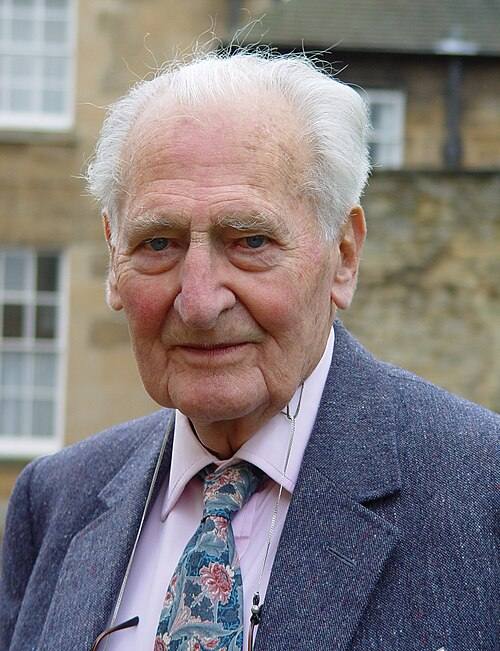
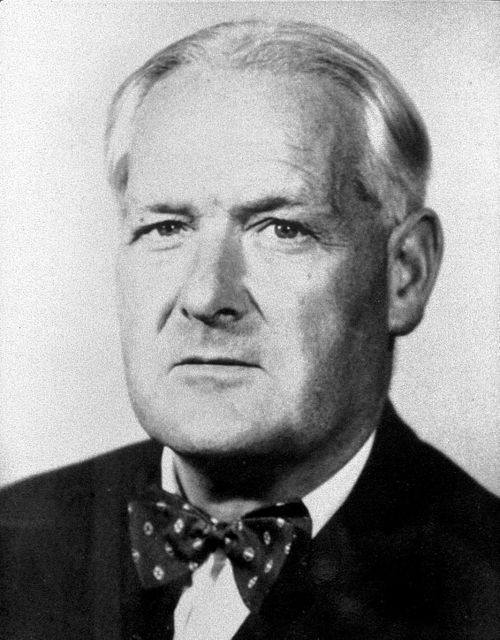 Same person1948MRC Streptomycin Trial for Pulmonary TuberculosisAustin Bradford Hill, author of the causation criteria, was also the statistician on the streptomycin trial. That entry shows his concealed random allocation of TB patients, and deaths of 7 percent on streptomycin against 27 percent without it.Read this moment